Optics Guide
6 best 6 moa red dot in 2026: Mounting & Compatibility
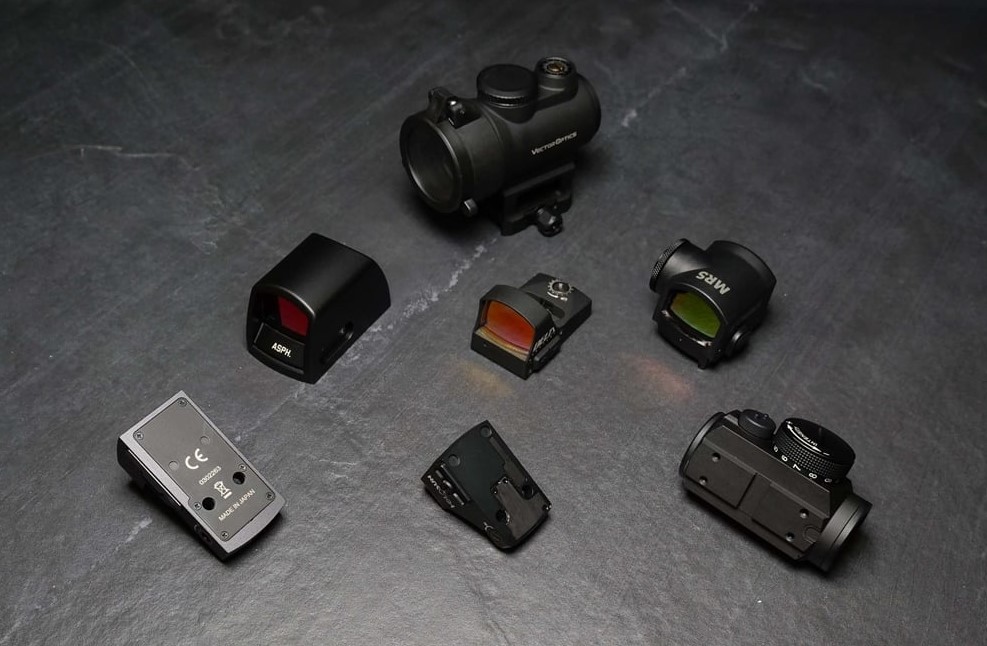
The best 6 moa red dot setups deliver one thing above all else—speed. When I run optics with a 6 MOA dot, I’m prioritizing rapid sight acquisition, close-range dominance, and intuitive shooting under stress. Whether it’s for concealed carry, competition, or a defensive carbine, a larger dot dramatically reduces the time it takes to find your aiming point.
Over the years, I’ve tested dozens of optics across pistols and rifles, and 6 MOA dots consistently stand out for shooters who value speed over precision at distance. But not all red dots are created equal—glass clarity, emitter quality, mounting footprint, and durability all matter.
Below, I break down six of the best-performing optics that either feature a true 6 MOA dot or offer comparable large-dot performance.
Quick Summary Table
Product | Best For | Footprint | Window | Battery | Durability | Dot Size | Rating |
|---|---|---|---|---|---|---|---|
Trijicon RMR Type 2 | Duty pistols | RMR | Small | CR2032 | Extreme | 6.5 MOA | 9.8/10 |
Vortex Venom | Budget pistols | Docter | Medium | CR1632 | Moderate | 6 MOA | 9.0/10 |
Leupold DeltaPoint Pro | Competition | DPP | Large | CR2032 | High | 6 MOA | 9.6/10 |
Swampfox Liberty | Value carry | RMR | Medium | CR1632 | Good | 6 MOA | 8.9/10 |
Vortex Defender CCW | Concealed carry | RMSc | Compact | CR1632 | Good | 6 MOA | 9.2/10 |
Burris FastFire 4 | Versatility | Docter | Wide | CR1632 | Moderate | 6 MOA | 9.1/10 |
Top Product List: best 6 moa red dot
Trijicon RMR Type 2
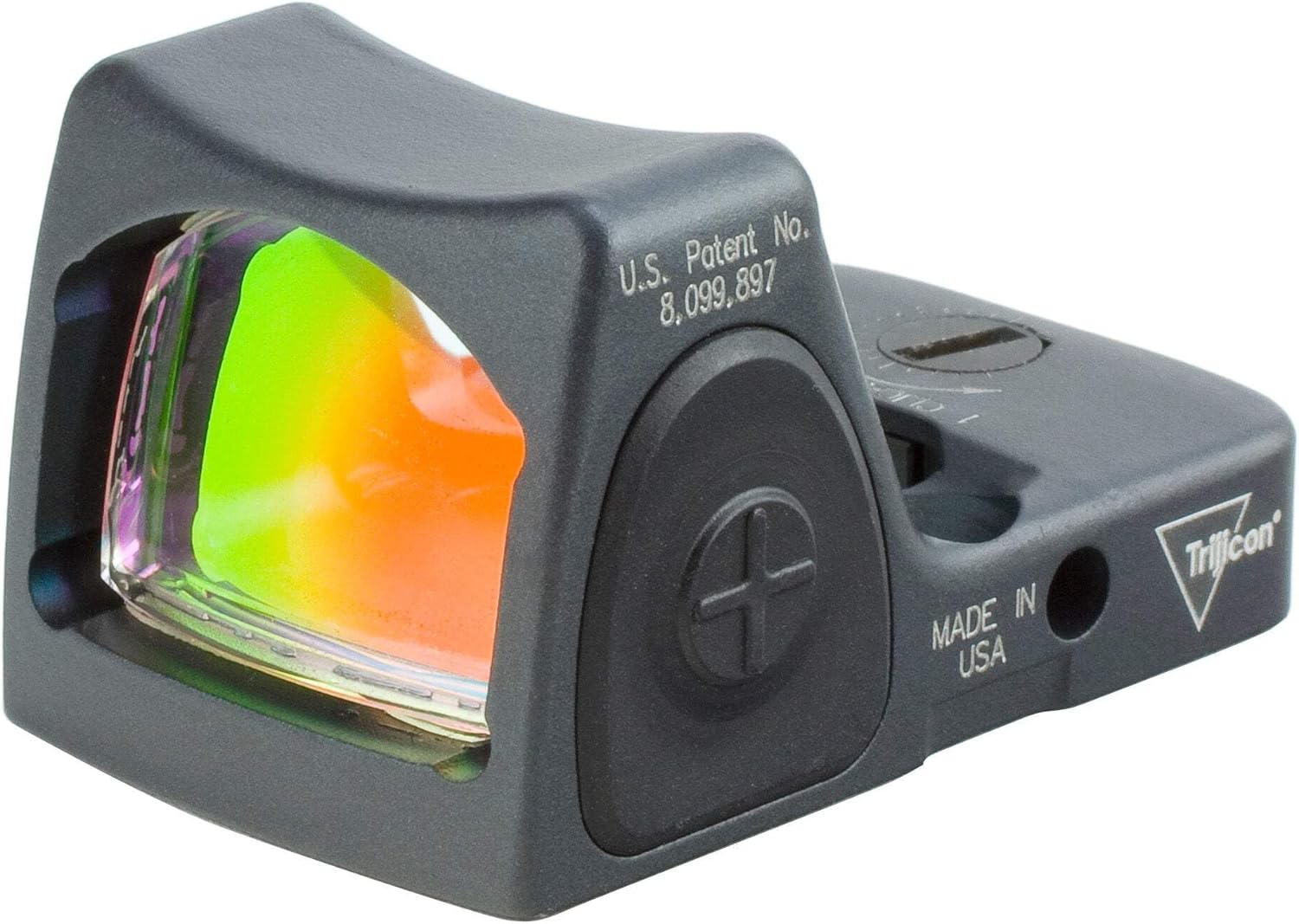
The gold standard for duty-grade pistol optics, the RMR Type 2 with a 6.5 MOA dot is built for reliability under extreme recoil and harsh environments.
Specs
Dot: 6.5 MOA
Battery: CR2032
Footprint: RMR
Housing: Forged aluminum
Adjustment: 1 MOA clicks
Pros
Bombproof durability
Excellent sealing and waterproofing
Proven track record in military use
Cons
Small window
Noticeable blue tint
My hands-on notes
The RMR’s deck height allows solid lower-third co-witness on most pistols. Parallax shift is minimal at defensive distances, though slight edge distortion exists. The emitter is exposed, so occlusion can happen in mud or rain, but the housing protects it well. Buttons are stiff but glove-friendly.
What people say online
Most shooters praise its reliability above all else. Complaints usually focus on the small viewing window and tint.
Mounting clarity
Direct mount on RMR-cut slides or via adapter plates.
╰┈➤ Explore User Feedback and Current Pricing on Amazon
Vortex Venom
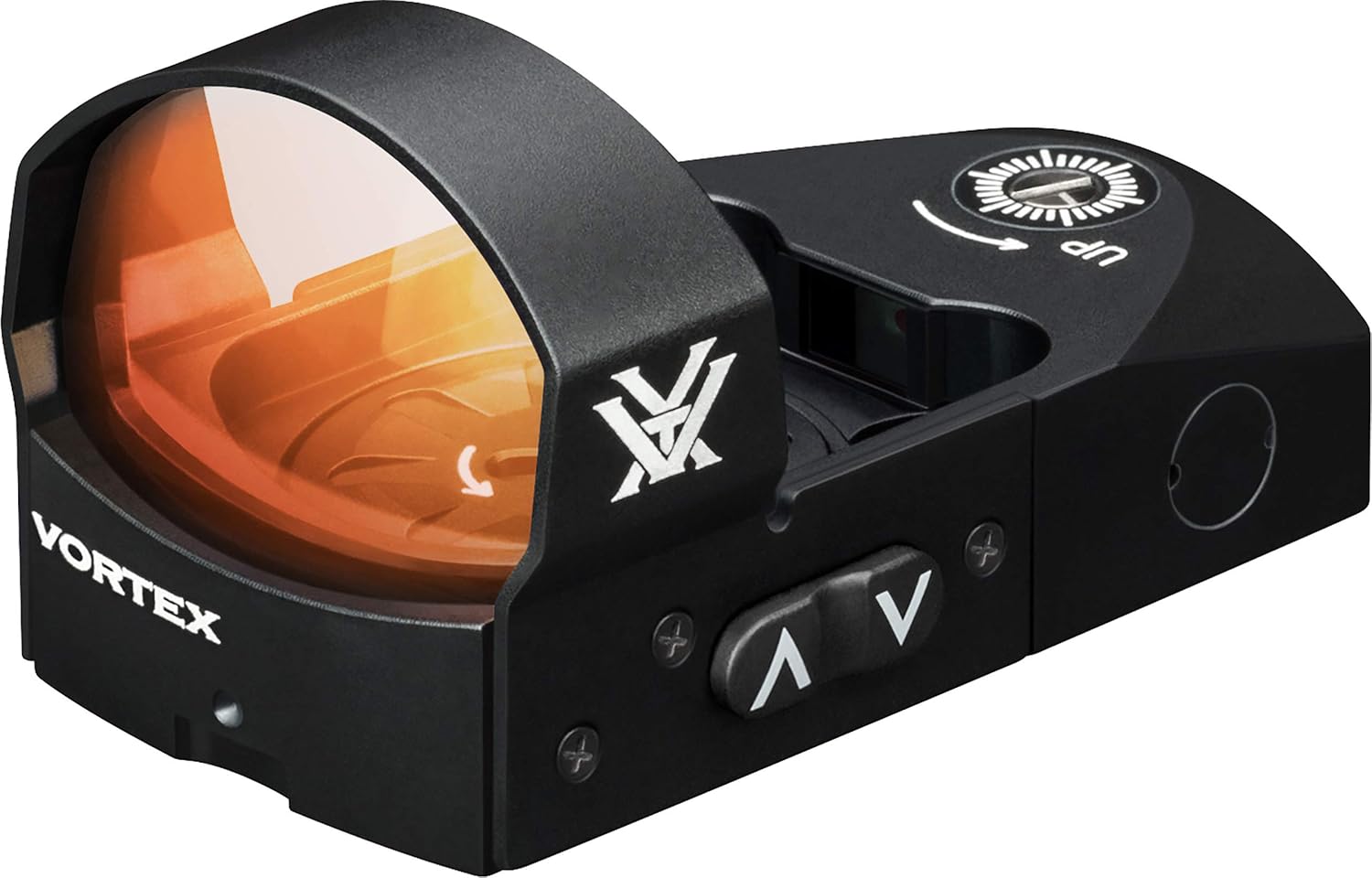
A budget-friendly optic that punches above its weight, especially in the 6 MOA configuration.
Specs
Dot: 6 MOA
Battery: CR1632 (top-load)
Footprint: Docter
Weight: 1.1 oz
Pros
Top-loading battery
Clear glass
Affordable
Cons
Not duty-grade
Auto brightness can lag
My hands-on notes
The large window makes tracking easy, and parallax is well controlled for its price. Co-witness depends on mounting height, but most setups require suppressor-height irons. The emitter is exposed and can collect debris.
What people say online
Users love the value but caution against hard-duty use.
Mounting clarity
Requires Docter footprint plates or compatible slides.
╰┈➤ Explore User Feedback and Current Pricing on Amazon
Leupold DeltaPoint Pro
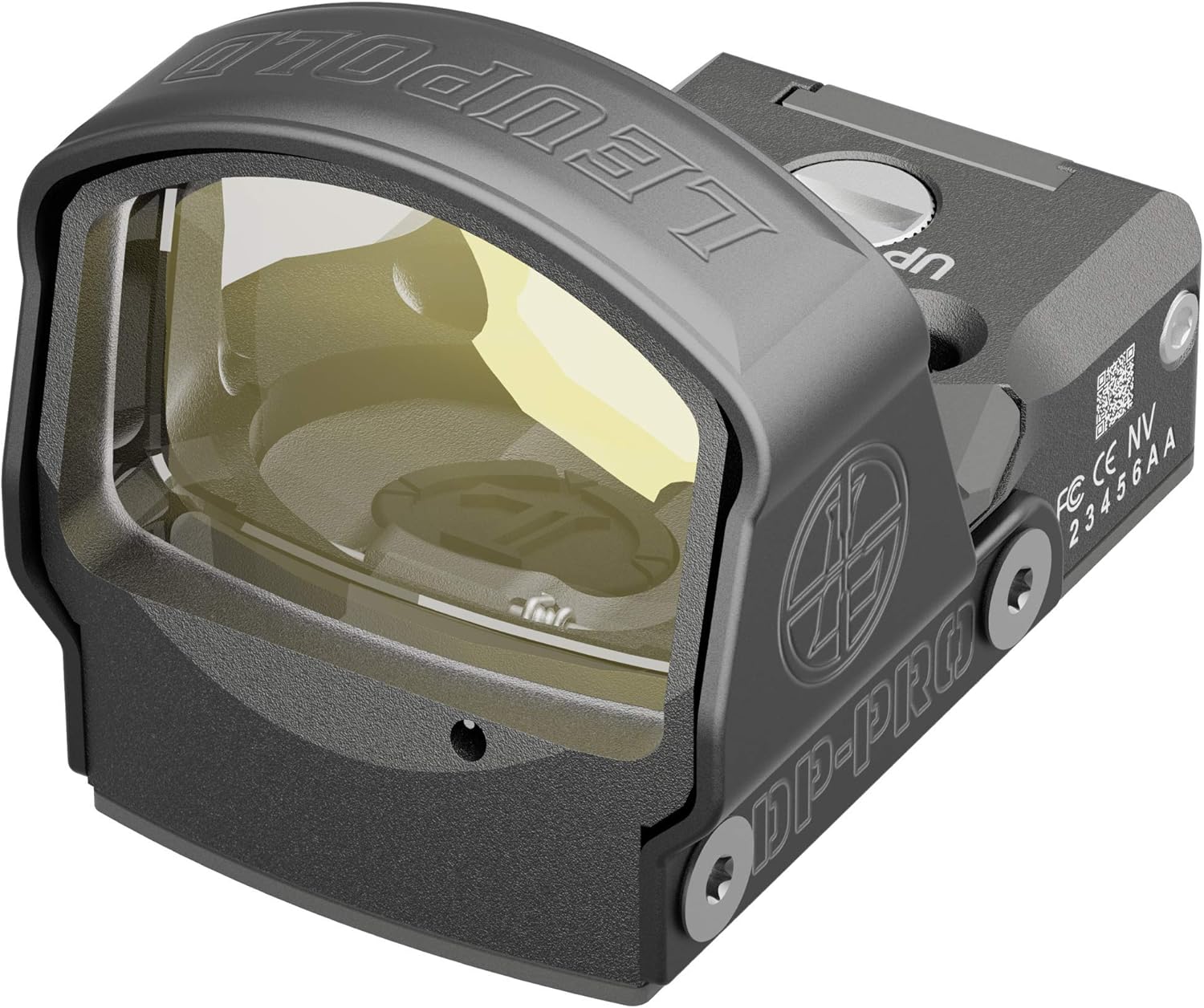
This optic is built for speed, with one of the largest windows available in a pistol red dot.
Specs
Dot: 6 MOA
Battery: CR2032
Footprint: DPP
Window: Extra-large
Pros
Massive sight picture
Crisp dot
Durable housing
Cons
Expensive
Requires plate for many pistols
My hands-on notes
Parallax is extremely forgiving. The deck height is higher than RMR, affecting co-witness setups. The lens is very clear with minimal tint. Button placement is excellent, even with gloves.
What people say online
Highly praised in competition circles for speed.
Mounting clarity
Requires DPP footprint or adapter.
╰┈➤ Explore User Feedback and Current Pricing on Amazon
Swampfox Liberty
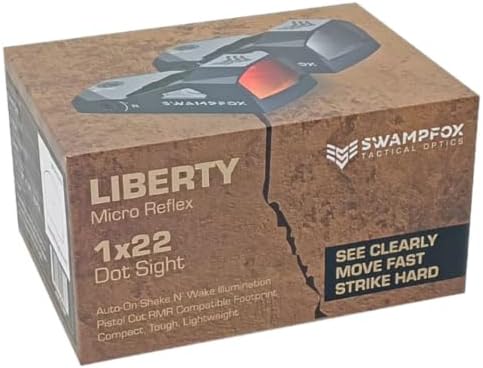
A value-driven optic offering a 6 MOA dot with solid durability at a mid-tier price.
Specs
Dot: 6 MOA
Battery: CR1632
Footprint: RMR
Housing: Aluminum
Pros
Affordable
Good brightness range
Decent durability
Cons
Slight lens tint
Battery life average
My hands-on notes
Parallax is acceptable for defensive distances. Co-witness works well with standard RMR setups. The emitter is exposed but recessed. Controls are tactile, even with gloves.
What people say online
Often recommended as a budget alternative to premium optics.
Mounting clarity
Direct RMR footprint compatibility.
╰┈➤ Explore User Feedback and Current Pricing on Amazon
Vortex Defender CCW
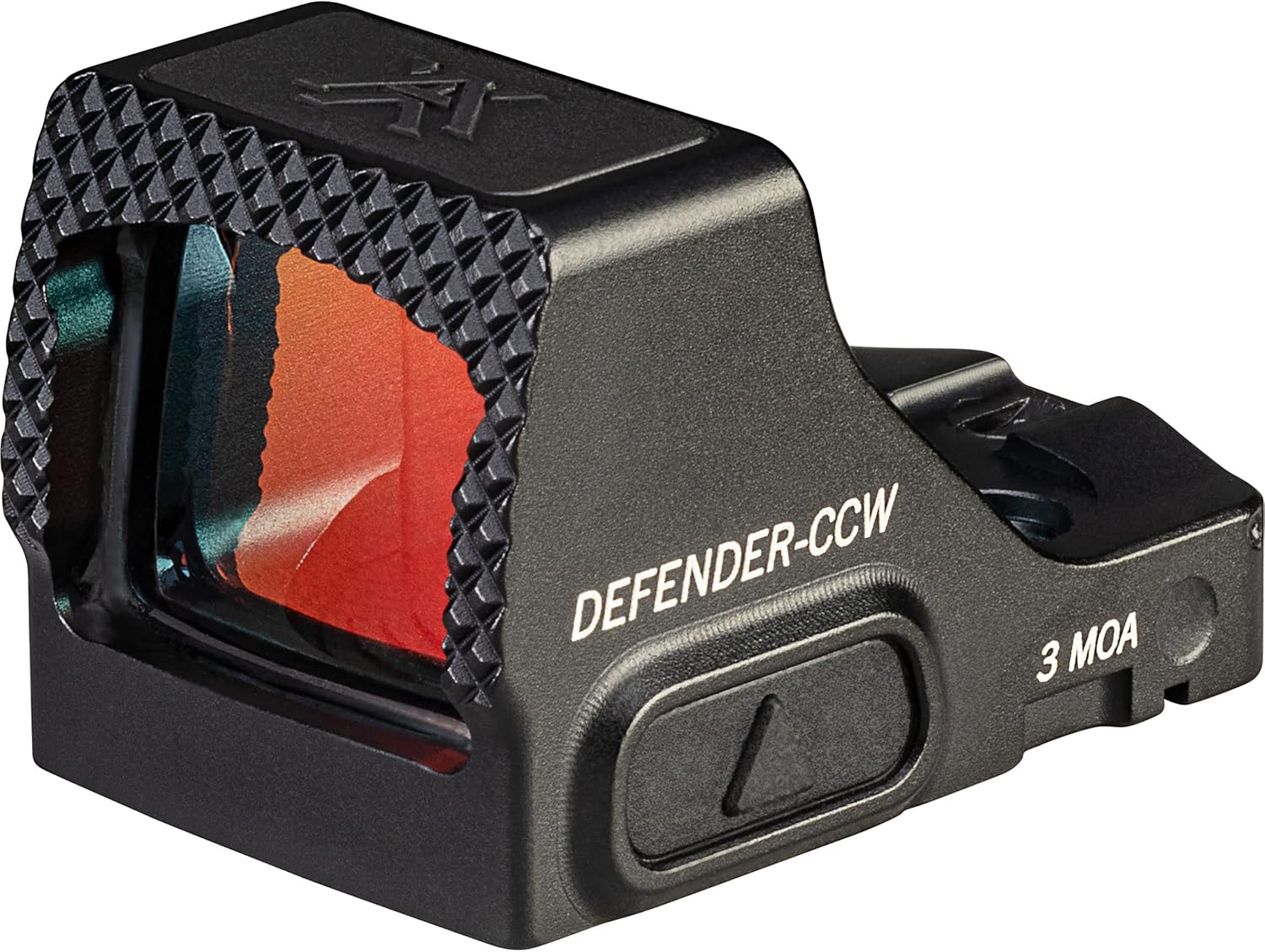
Designed specifically for concealed carry, this optic balances compact size with a fast 6 MOA dot.
Specs
Dot: 6 MOA
Battery: CR1632
Footprint: RMSc
Weight: Lightweight
Pros
Compact and rugged
Excellent warranty
Good brightness control
Cons
Smaller window
Limited NV settings
My hands-on notes
Parallax is well controlled for a micro optic. The deck height allows near-direct co-witness on slim pistols. Lens clarity is good with slight edge distortion. Buttons are firm but usable with gloves.
What people say online
Praised for reliability and value in the CCW category.
Mounting clarity
Fits RMSc footprint slides directly.
╰┈➤ Explore User Feedback and Current Pricing on Amazon
Burris FastFire 4
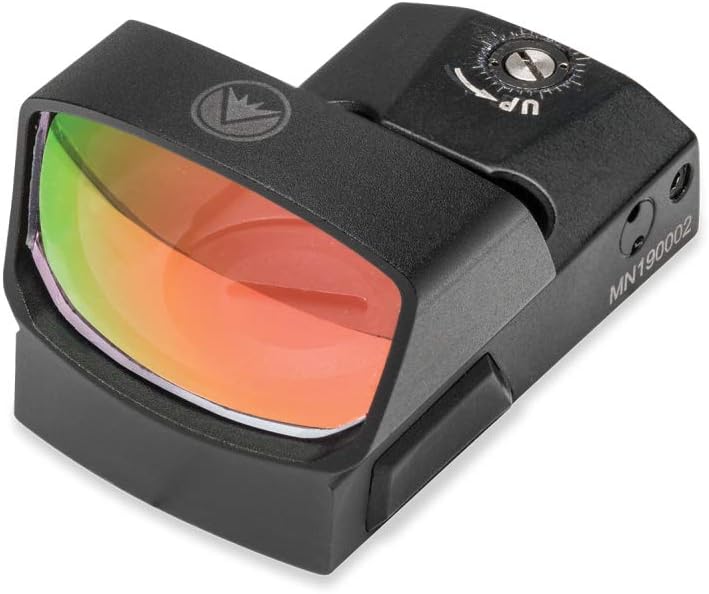
A versatile optic with a wide window and multiple reticle options, including a large dot.
Specs
Dot: 6 MOA equivalent
Battery: CR1632
Footprint: Docter
Reticle: Multi-option
Pros
Wide field of view
Multiple reticles
Lightweight
Cons
Not fully sealed
Controls less tactile
My hands-on notes
Parallax is decent, though edge distortion is noticeable. Co-witness depends on mount height. The emitter is exposed and prone to occlusion in harsh conditions. Battery access is convenient.
What people say online
Users like the flexibility but question long-term durability.
Mounting clarity
Docter footprint compatibility.
╰┈➤ Explore User Feedback and Current Pricing on Amazon
How I Tested / Evaluation Criteria
Parallax
I evaluated each optic by shifting head position while maintaining a fixed target. The best optics showed minimal reticle movement relative to the target, especially inside 25 yards.
Co-witness / Deck Height
Deck height determines how well your iron sights align with the optic. Lower decks allow better co-witness, which is critical for backup aiming.
Durability
I assessed recoil handling, drop resistance, and sealing. Optics like the RMR clearly outperform in harsh conditions.
Battery
Battery type, runtime, and access design matter. Top-loading batteries are a major advantage.
Brightness Range
Each optic was tested in bright sunlight and low light. A usable range without blooming is essential.
Glass Quality
Clarity, tint, and distortion were evaluated. Some optics trade tint for better emitter reflection.
Controls Ergonomics
Button placement and tactile feedback were tested with and without gloves.
Mounting Ecosystem
Footprint compatibility and availability of mounting plates were considered.
How to Choose the Right Red Dot for This Gun
Choosing the right optic depends heavily on your firearm and intended use. A 6 MOA dot excels in close-range shooting because it’s easier to see and faster to acquire. However, it covers more of the target at distance, which can limit precision beyond 25–50 yards.
For concealed carry pistols, smaller optics like RMSc footprint models make sense. They maintain a low profile and reduce printing. For full-size pistols or competition setups, larger windows like the DeltaPoint Pro offer faster transitions.
Footprint compatibility is critical. Many modern slides are cut for RMR, which gives you the widest compatibility. If your slide isn’t cut, you’ll need a mounting plate, which can increase deck height and affect co-witness.
Battery access is another overlooked factor. Bottom-load batteries require re-zeroing after replacement, while top-load designs save time.
Durability matters more than most people realize. If you’re carrying daily, your optic will be exposed to sweat, impacts, and environmental debris. Enclosed emitters solve occlusion issues but are less common in this category.
Finally, consider your shooting style. If you prioritize speed and defensive shooting, a larger dot is ideal. If you need precision, you might prefer a smaller MOA.
FAQs
1. Is a 6 MOA dot good for self-defense?
Yes, it’s excellent. It allows rapid target acquisition and is easier to track under stress.
2. Does a larger dot reduce accuracy?
At longer distances, yes. It covers more of the target, making precise shots harder.
3. Can I use a 6 MOA dot for competition?
Absolutely. Many competitive shooters prefer larger dots for faster transitions.
4. Are 6 MOA optics good for rifles?
They work well for close-range rifles but are less ideal for longer distances.
5. What footprint should I choose?
RMR is the most versatile, but RMSc is best for compact pistols.
Conclusion
The best 6 moa red dot ultimately comes down to your intended use, but one thing is consistent—larger dots deliver unmatched speed. Whether you go with the rugged RMR, the competition-ready DeltaPoint Pro, or a budget-friendly option like the Vortex Venom, each of these optics offers a strong balance of performance and usability.
If your priority is fast, intuitive shooting at defensive distances, a 6 MOA dot is one of the smartest upgrades you can make.