Optics Guide
6 best low profile red dot in 2026: Mounting & Compatibility
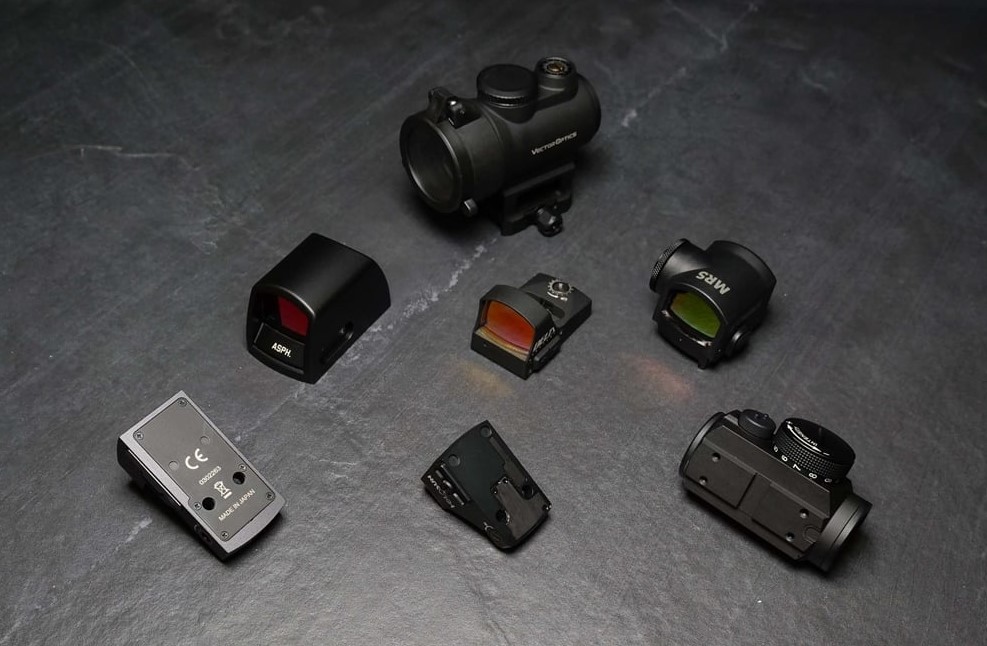
The best low profile red dot is all about minimizing deck height while maximizing speed, durability, and sight picture clarity—something I’ve spent years testing across pistols, PCCs, and rifles.
Low-profile optics aren’t just about aesthetics—they directly affect co-witness, draw speed, and how naturally your eye picks up the dot. The lower the optic sits, the more intuitive your presentation becomes. But going too low can introduce tradeoffs in durability, battery access, and even window size.
In this guide, I break down six of the strongest performers in the low-profile category, focusing on real-world use: recoil impulse, emitter reliability, mounting ecosystems, and how they actually behave under stress—not just specs on paper.
Quick Summary Table
Product | Best For | Footprint | Window | Battery | Durability | Dot Size | Rating |
|---|---|---|---|---|---|---|---|
Trijicon RMR Type 2 | Duty pistols | RMR | Medium | CR2032 | Excellent | 3.25 MOA | 9.6 |
Holosun 507K | Micro compacts | RMSc | Small | CR1632 | Very good | 2 MOA | 9.2 |
Holosun EPS Carry | Concealed carry | RMSc (modified) | Medium | CR1620 | Excellent | 2 MOA | 9.5 |
Leupold DeltaPoint Pro | Competition | DeltaPoint | Large | CR2032 | Very good | 2.5 MOA | 9.1 |
Shield RMSc | Slim pistols | RMSc | Small | CR2032 | Good | 4 MOA | 8.8 |
Vortex Defender CCW | Budget CCW | RMSc | Medium | CR1632 | Good | 3 MOA | 8.9 |
Top Product List: best low profile red dot
Trijicon RMR Type 2
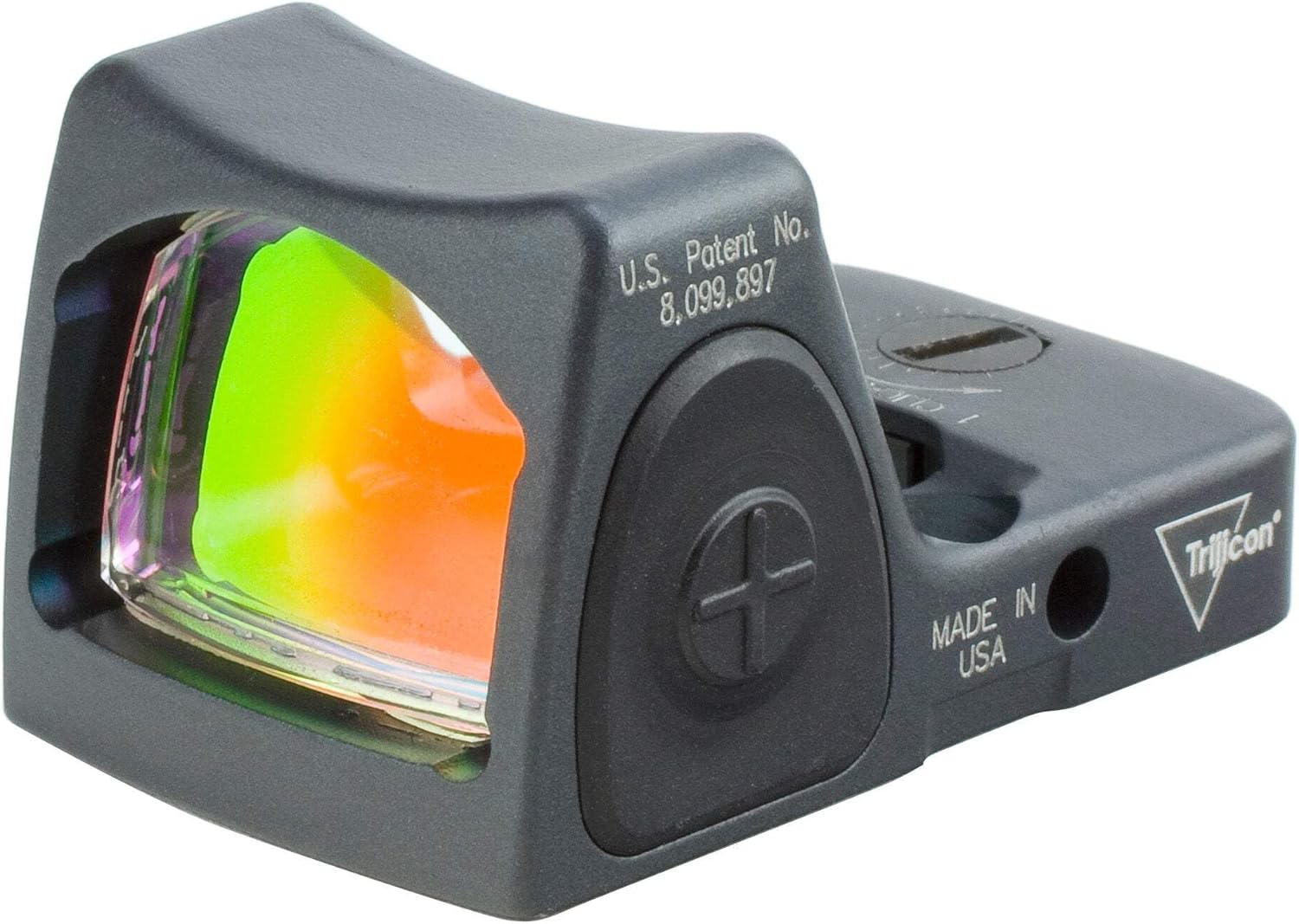
The RMR Type 2 is still the gold standard for rugged, low-profile pistol optics with a proven track record.
Specs:
Footprint: RMR
Dot: 3.25 MOA
Battery: CR2032 (bottom load)
Housing: Forged aluminum
Waterproof: Yes
Pros:
Extremely durable under recoil
Minimal parallax shift
Excellent sealing against moisture
Cons:
Bottom battery access
Noticeable blue lens tint
My hands-on notes:
This optic sits low enough for excellent co-witness with suppressor-height irons. Parallax is minimal even at awkward angles, though the smaller window demands discipline. The emitter is well-protected, but occlusion can happen in heavy debris environments.
What people say online:
Users consistently report that it “just works” even after thousands of rounds. Forums often mention its durability as unmatched, though complaints about battery changes are common.
Mounting clarity:
Direct RMR footprint. Many slides are cut specifically for this pattern.
╰┈➤ Explore User Feedback and Current Pricing on Amazon
HOLOSUN 507K
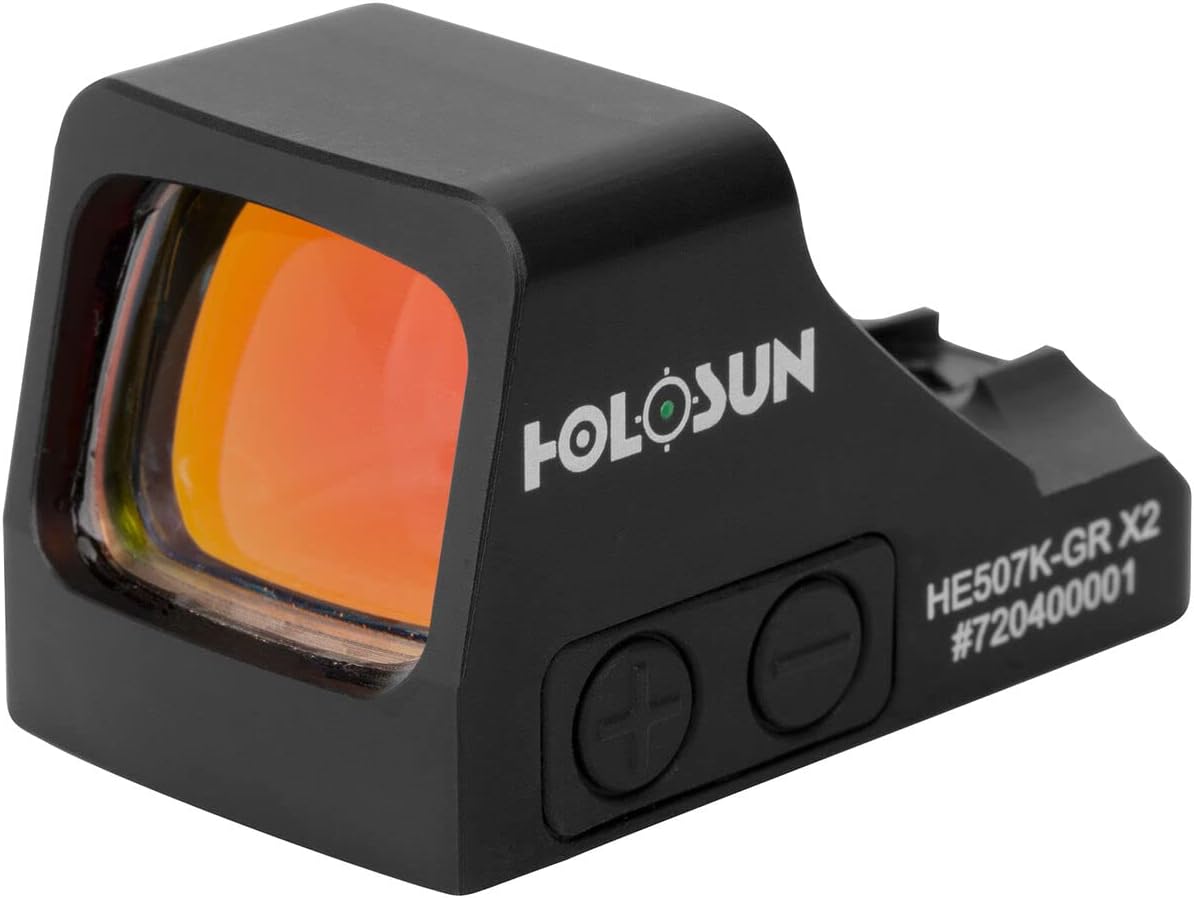
The 507K is purpose-built for micro-compact pistols where space and profile matter most.
Specs:
Footprint: Modified RMSc
Dot: 2 MOA (multi-reticle)
Battery: CR1632 side-load
Housing: Aluminum
Pros:
Extremely low deck height
Side battery tray
Multi-reticle flexibility
Cons:
Slight emitter reflection in bright light
Buttons are small with gloves
My hands-on notes:
This optic excels in concealment setups. The low mounting height allows near-perfect co-witness without tall irons. Parallax is controlled well, though edge distortion appears slightly under rapid transitions.
What people say online:
Popular among concealed carriers for reliability and value. Some users mention durability concerns compared to premium optics, but failures are rare.
Mounting clarity:
Fits RMSc footprint slides but may require slight modifications depending on the manufacturer.
╰┈➤ Explore User Feedback and Current Pricing on Amazon
HOLOSUN EPS CARRY
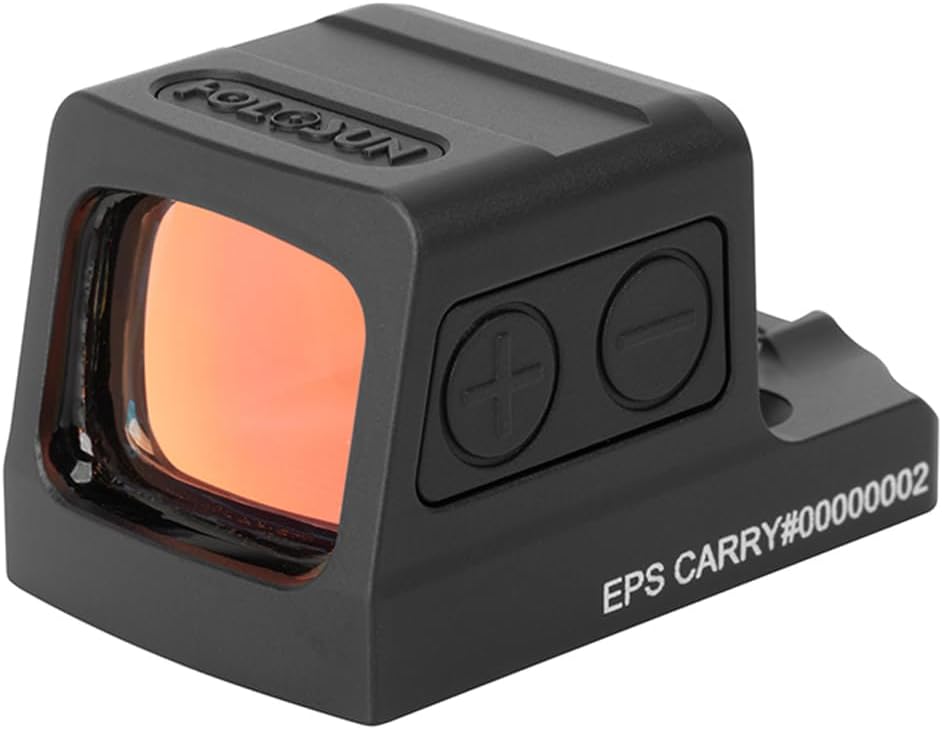
The EPS Carry combines a low profile with a fully enclosed emitter—something I consider a major evolution.
Specs:
Footprint: RMSc variant
Dot: 2 MOA
Battery: CR1620 side tray
Enclosed emitter
Pros:
No emitter occlusion
Clear glass with minimal tint
Strong sealing
Cons:
Slightly bulkier than open emitters
Higher price
My hands-on notes:
This optic handles adverse conditions better than open emitters. Mud, rain, and lint don’t affect performance. Parallax is very well controlled, and co-witness remains achievable with standard-height suppressor sights.
What people say online:
Highly praised for reliability in real-world carry. Reddit users often describe it as “the best upgrade from open emitters.”
Mounting clarity:
Direct mount to RMSc slides with included plates for compatibility.
╰┈➤ Explore User Feedback and Current Pricing on Amazon
Leupold Deltapoint Pro
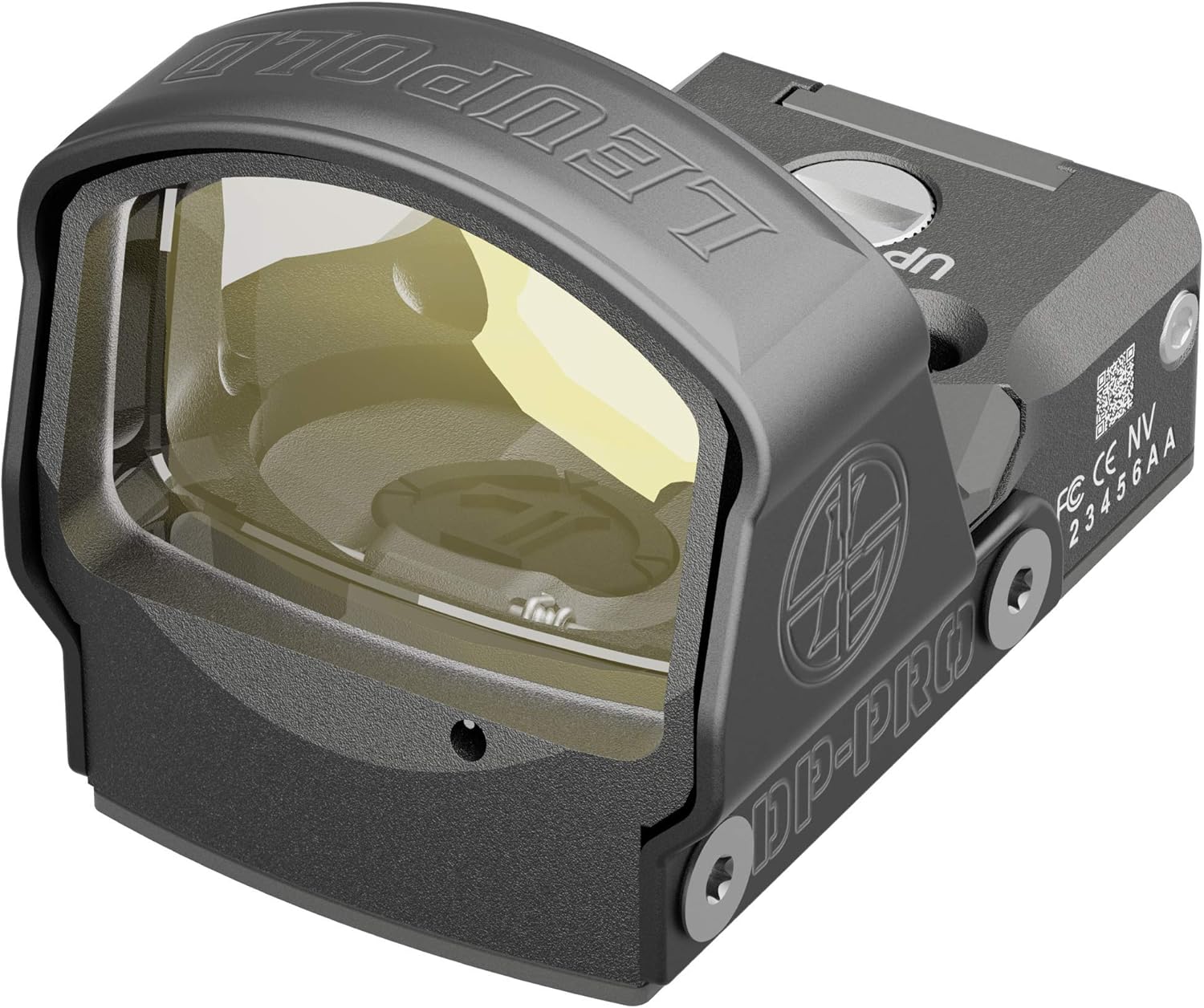
The DeltaPoint Pro offers one of the largest windows while still maintaining a relatively low mounting profile.
Specs:
Footprint: DeltaPoint
Dot: 2.5 MOA
Battery: CR2032 top load
Housing: Aluminum
Pros:
Huge field of view
Crisp dot
Top battery access
Cons:
Slightly taller than micro optics
More exposed emitter
My hands-on notes:
The larger window makes target acquisition extremely fast. Parallax is well-managed, but the taller deck height slightly reduces natural co-witness unless paired with taller irons.
What people say online:
Competition shooters love it for speed. Some users mention durability is good but not RMR-level.
Mounting clarity:
Requires DeltaPoint footprint or adapter plate.
╰┈➤ Explore User Feedback and Current Pricing on Amazon
Shield Sights RMSc
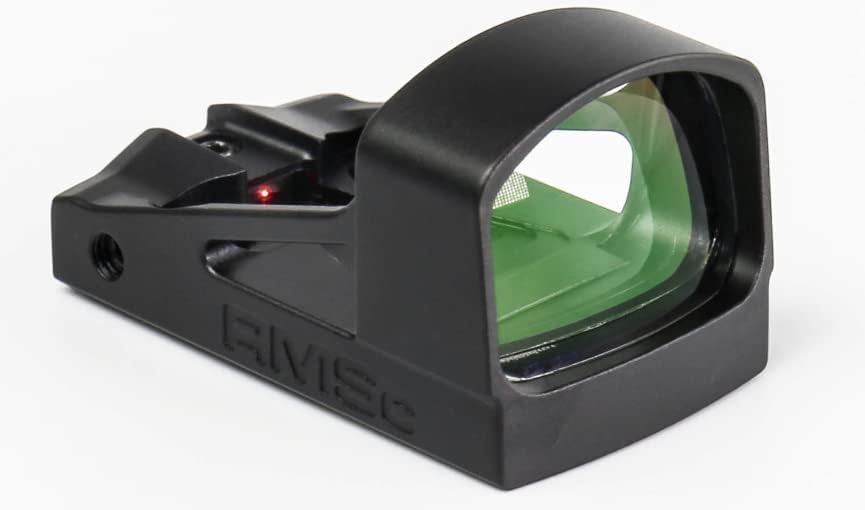
The RMSc is one of the original ultra-low-profile optics designed for slim carry guns.
Specs:
Footprint: RMSc
Dot: 4 MOA
Battery: CR2032
Polymer lens
Pros:
Extremely low profile
Lightweight
Simple design
Cons:
Polymer lens scratches easier
Limited brightness range
My hands-on notes:
This optic sits incredibly low, enabling true co-witness on many slim pistols without suppressor sights. However, the lens clarity and durability don’t match newer designs.
What people say online:
Praised for concealability but criticized for long-term durability.
Mounting clarity:
Direct RMSc footprint—no plate needed for compatible slides.
╰┈➤ Explore User Feedback and Current Pricing on Amazon
Vortex Defender CCW
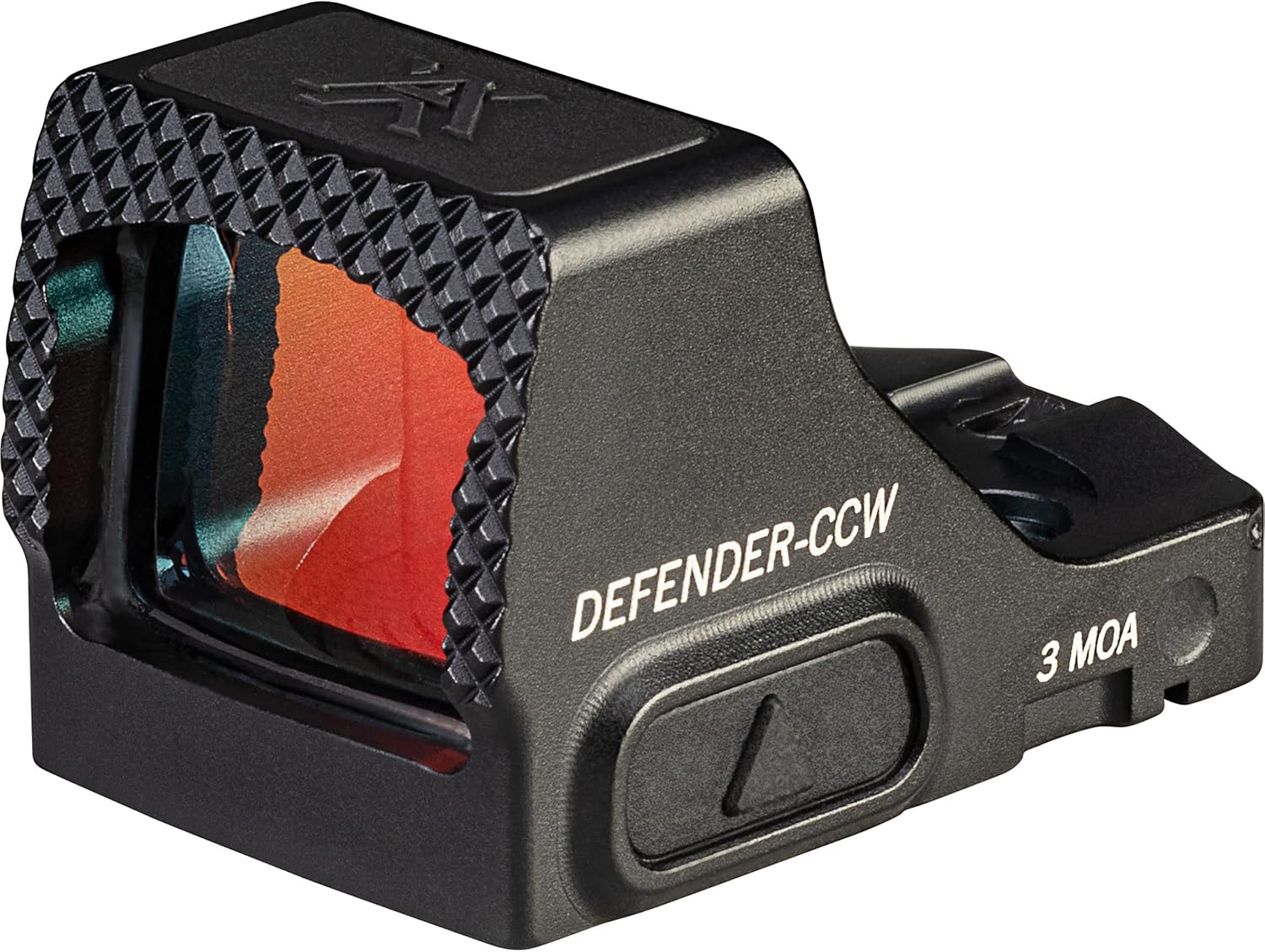
A newer entry, the Defender CCW focuses on affordability without sacrificing key features.
Specs:
Footprint: RMSc
Dot: 3 MOA
Battery: CR1632 top load
Housing: Aluminum
Pros:
Top-load battery
Good glass clarity
Affordable
Cons:
Slight edge distortion
Buttons feel soft with gloves
My hands-on notes:
This optic surprised me with its clarity and usability. Parallax is acceptable, though not class-leading. Co-witness is easy due to the low deck height.
What people say online:
Users highlight value for money and Vortex warranty. Some note it’s not duty-grade but excellent for CCW.
Mounting clarity:
Standard RMSc footprint compatibility.
╰┈➤ Explore User Feedback and Current Pricing on Amazon
How I Tested / Evaluation Criteria
Parallax:
I tested each optic at multiple distances and angles to observe point-of-impact shift. High-quality optics maintain minimal deviation even when the dot is off-center.
Co-witness / Deck Height:
Deck height determines how naturally your irons align with the optic. Lower optics allow faster transitions and better backup sight usability.
Durability:
I evaluated recoil resistance across several hundred rounds. Housing strength, lens retention, and emitter protection all factor heavily here.
Battery:
Battery type and placement matter. Side or top-loading designs are significantly more user-friendly than bottom-mounted options.
Brightness Range:
Each optic was tested in bright sunlight and low-light conditions. Good optics maintain visibility without blooming or starbursting.
Glass Quality:
Lens tint, distortion, and clarity directly affect usability. Excessive tint or edge warping slows down target acquisition.
Controls Ergonomics:
Buttons must be tactile and usable with gloves. Poor ergonomics can be a serious issue under stress.
Mounting Ecosystem:
Compatibility with common footprints (RMR, RMSc) ensures easier installation and future upgrades.
How to Choose the Right Red Dot for This Gun
Choosing the right optic depends heavily on your firearm and intended use. For concealed carry pistols, low-profile optics like the 507K or EPS Carry are ideal because they maintain concealability while improving speed. A taller optic can print more under clothing and feel less natural during presentation.
For duty or defensive use, durability should outweigh everything else. Optics like the RMR Type 2 are proven under extreme conditions. Even though the battery is bottom-mounted, the tradeoff is a more robust sealing system.
If you’re running a competition setup, window size becomes more important than absolute profile. Larger windows like the DeltaPoint Pro give faster target transitions, even if they sit slightly higher.
Footprint compatibility is another major factor. Many slides are cut specifically for RMR or RMSc patterns. Choosing the wrong footprint means needing adapter plates, which can raise deck height and reduce reliability.
Battery design also matters more than people think. Side or top-loading batteries save time and prevent re-zeroing. If you shoot frequently, this becomes a real advantage.
Finally, consider your environment. Open emitters are lighter and slimmer but can get blocked by debris. Enclosed emitters like the EPS Carry eliminate that issue entirely.
FAQs
1. What makes a red dot “low profile”?
It refers to how low the optic sits on the slide or rail. Lower optics improve natural aiming and co-witness.
2. Are low-profile red dots less durable?
Not necessarily. Some, like the RMR, are both low-profile and extremely rugged.
3. Do I need suppressor-height sights?
Usually yes, but some ultra-low optics allow standard-height co-witness.
4. Is an enclosed emitter worth it?
If you carry daily or operate in harsh environments, absolutely.
5. Which footprint is most common?
RMR and RMSc are the most widely supported footprints.
Conclusion
After extensive testing, the best low profile red dot depends on your priorities—whether that’s durability, concealment, or speed—but options like the RMR Type 2 and EPS Carry consistently stand out for their balance of performance and reliability.