Optics Guide
6 Best Red Dot for 200 Yards in 2026: Mounting & Compatibility
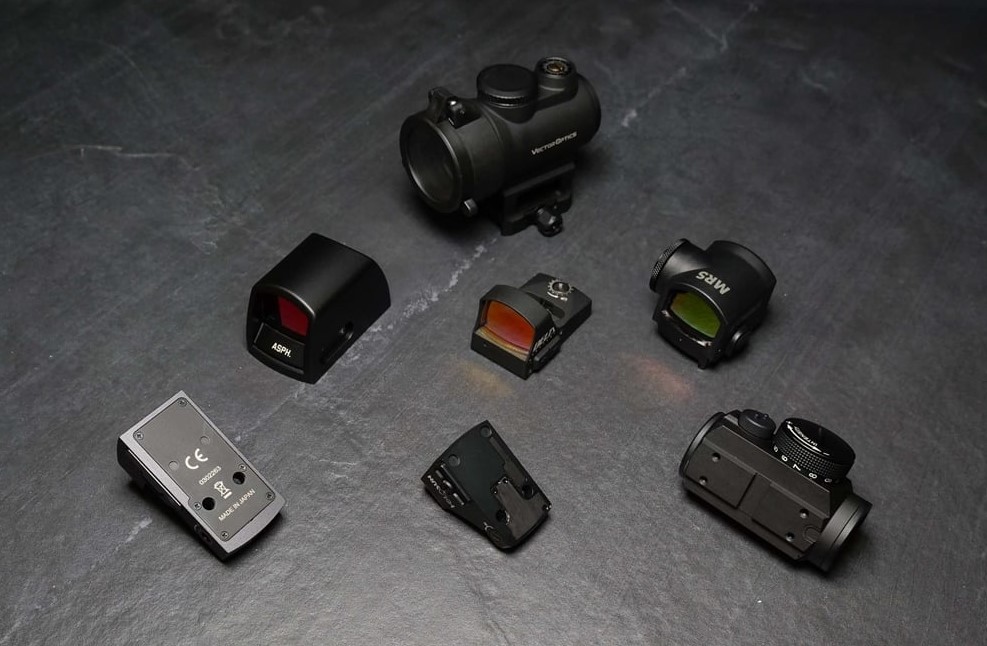
Finding the Best Red Dot for 200 Yards is not as straightforward as most people think. At that distance, you’re pushing the limits of what a non-magnified optic can realistically do, and every detail—dot size, glass clarity, emitter quality, and mounting height—starts to matter a lot more than it does at 25 or even 100 yards.
I’ve spent significant time running red dots on carbines and PCCs out to 200 yards, and I can tell you this: not all optics are equal when you stretch the distance. Some bloom, some obscure too much of the target, and others simply lack the precision needed for consistent hits.
This guide breaks down the top-performing options that actually hold up at that range.
Quick Summary Table
Product | Best For | Footprint | Window | Battery | Durability | Dot Size | Rating |
|---|---|---|---|---|---|---|---|
Aimpoint Micro T-2 | Professional use | Micro | Small | CR2032 | Extreme | 2 MOA | ⭐⭐⭐⭐⭐ |
EOTECH EXPS3 | Fast target acquisition | Picatinny | Large | CR123 | Military-grade | 1 MOA + ring | ⭐⭐⭐⭐⭐ |
Holosun 510C | Value + large window | Picatinny | Large | CR2032/Solar | Strong | 2 MOA | ⭐⭐⭐⭐½ |
Sig Sauer Romeo5 | Budget performance | Micro | Small | CR2032 | Good | 2 MOA | ⭐⭐⭐⭐ |
Primary Arms SLX MD-25 | Larger tube precision | Micro | Medium | CR2032 | Very good | 2 MOA | ⭐⭐⭐⭐½ |
Trijicon MRO | Wide field durability | Proprietary | Medium | CR2032 | Excellent | 2 MOA | ⭐⭐⭐⭐½ |
Top Product List: Best Red Dot for 200 Yards
Aimpoint Micro T-2
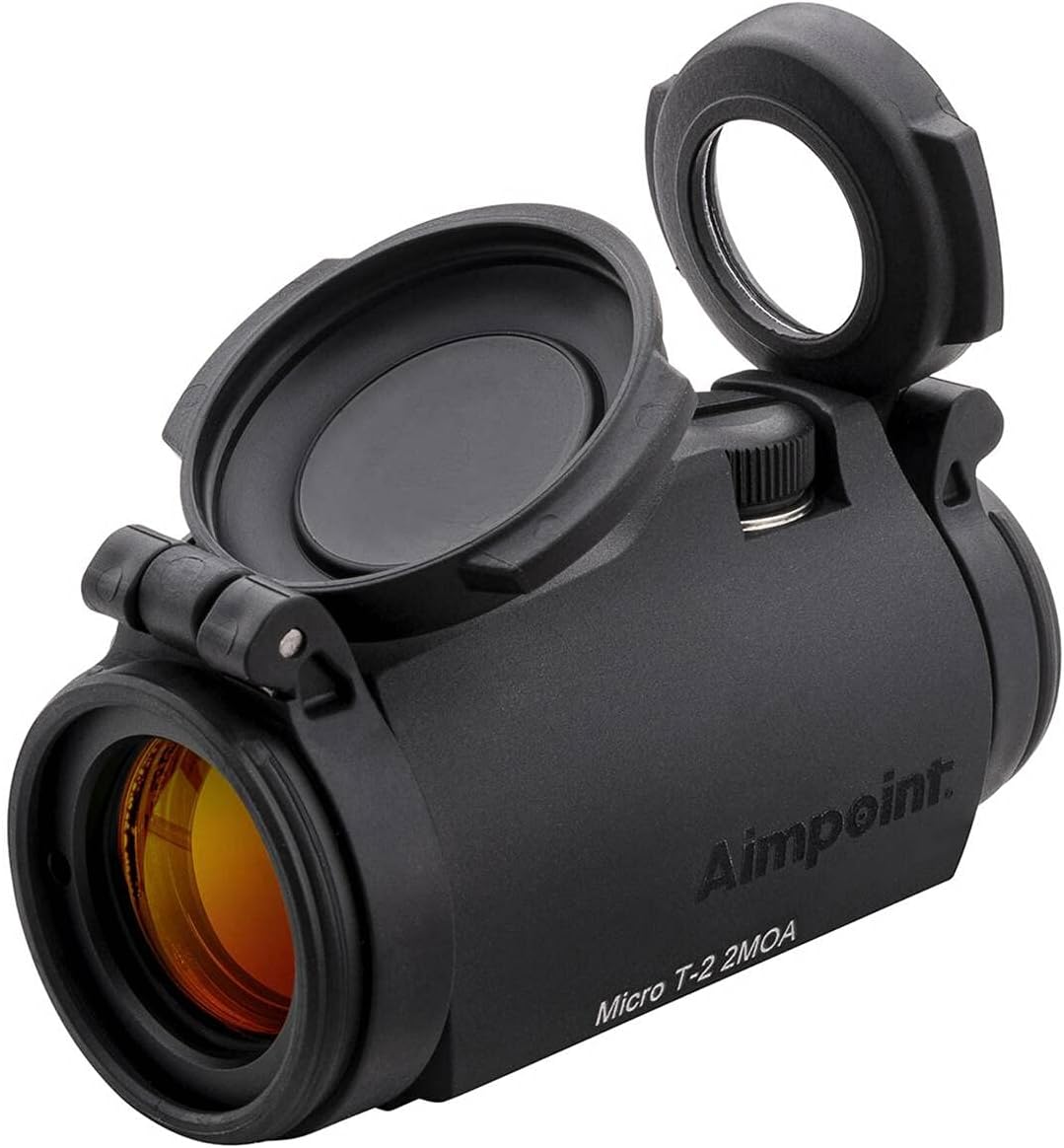
A gold standard micro red dot trusted by professionals worldwide, delivering unmatched reliability and optical clarity.
Specs:
2 MOA dot
Micro footprint
50,000-hour battery life
Fully enclosed emitter
Night vision compatible
Pros:
Exceptional clarity with minimal tint
Near-zero parallax shift
Extremely durable under recoil
Cons:
Expensive
Small window for beginners
My hands-on notes:
At 200 yards, the 2 MOA dot remains crisp and doesn’t bloom excessively. The lens coating has a slight blue tint but does not distort targets. Parallax shift is practically nonexistent, even at edge viewing angles. Co-witness height works perfectly with standard mounts, and the low deck height keeps the shooting posture natural.
What people say online:
Users consistently highlight reliability and clarity. Many note it outperforms cheaper optics in maintaining dot definition at distance.
Mounting clarity:
Uses the Micro footprint—extremely common, with endless mount options.
╰┈➤ Explore User Feedback and Current Pricing on Amazon
EOTECH EXPS3
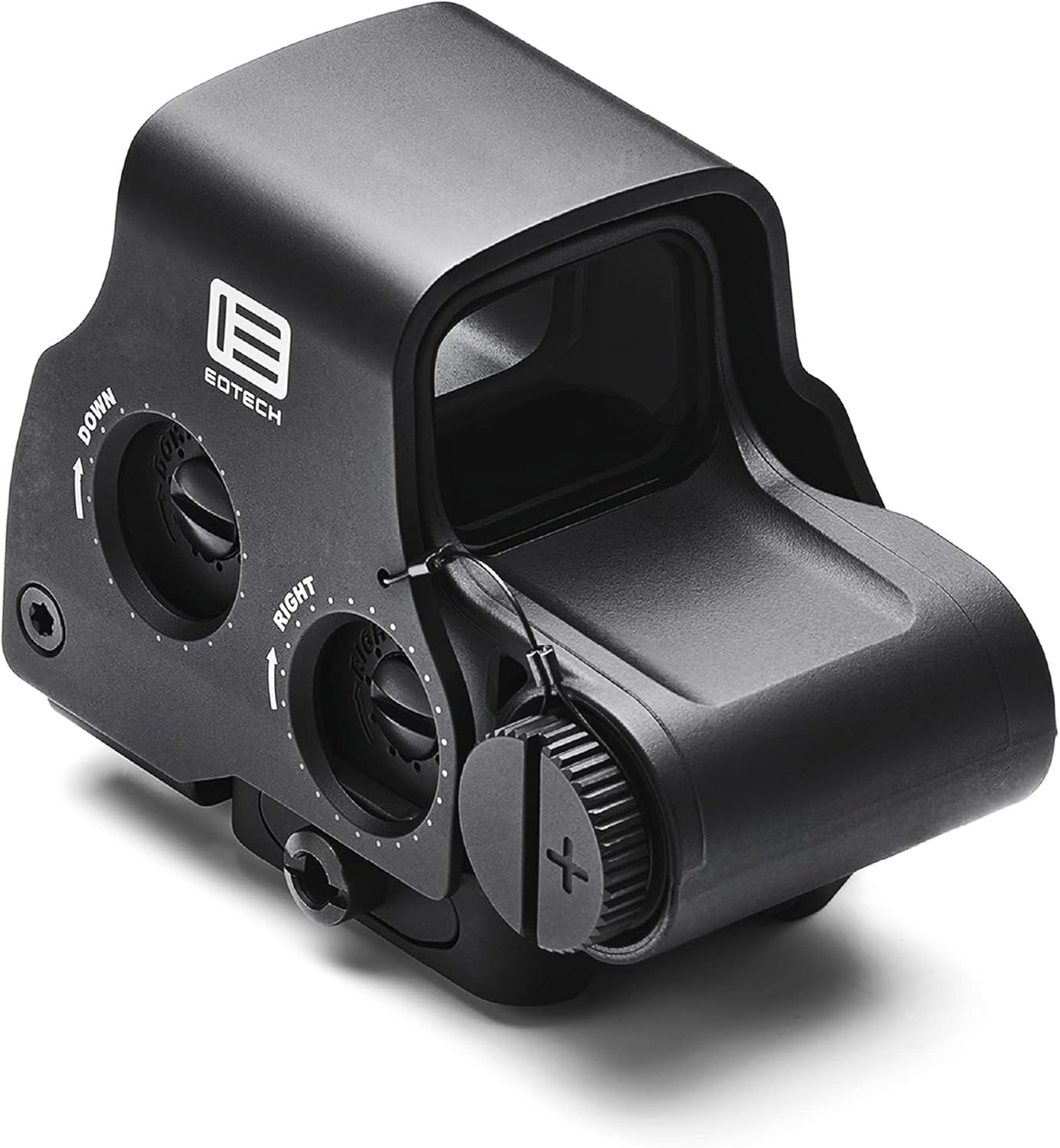
A holographic optic that excels at distance thanks to its fine center dot and large viewing window.
Specs:
1 MOA center dot + 65 MOA ring
CR123 battery
Side buttons
NV compatible
Pros:
Ultra-precise center dot
Massive field of view
Fast acquisition
Cons:
Shorter battery life
Heavier than micro dots
My hands-on notes:
The 1 MOA center dot is the real advantage at 200 yards. It allows precise holds without covering the target. The window is distortion-free, and parallax is well controlled. Button tactility is excellent even with gloves. The holographic reticle remains sharp under bright light.
What people say online:
Shooters love the reticle for mid-range shooting. Some complain about battery life but accept it for performance.
Mounting clarity:
Direct Picatinny mount—no plates needed.
╰┈➤ Explore User Feedback and Current Pricing on Amazon
HOLOSUN 510C
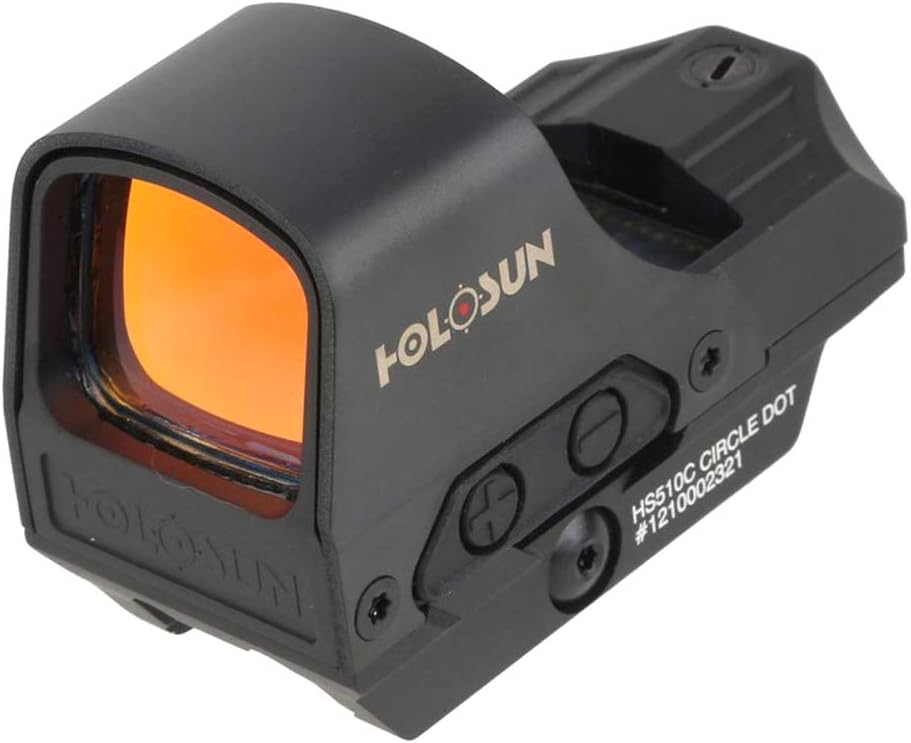
A versatile open-emitter optic with a large window and multiple reticle options.
Specs:
2 MOA dot + circle
Solar + battery
Open emitter
Titanium hood
Pros:
Huge field of view
Affordable
Multiple reticles
Cons:
Open emitter can collect debris
Slight lens tint
My hands-on notes:
The large window makes tracking targets at 200 yards easier. The 2 MOA dot is usable, but I prefer the dot-only mode for precision. There is slight parallax at extreme angles, but not enough to matter. The emitter can get partially occluded in rain or dust.
What people say online:
Popular for value and versatility. Some users note durability concerns compared to premium optics.
Mounting clarity:
Direct Picatinny mount.
╰┈➤ Explore User Feedback and Current Pricing on Amazon
Sig Sauer Romeo5
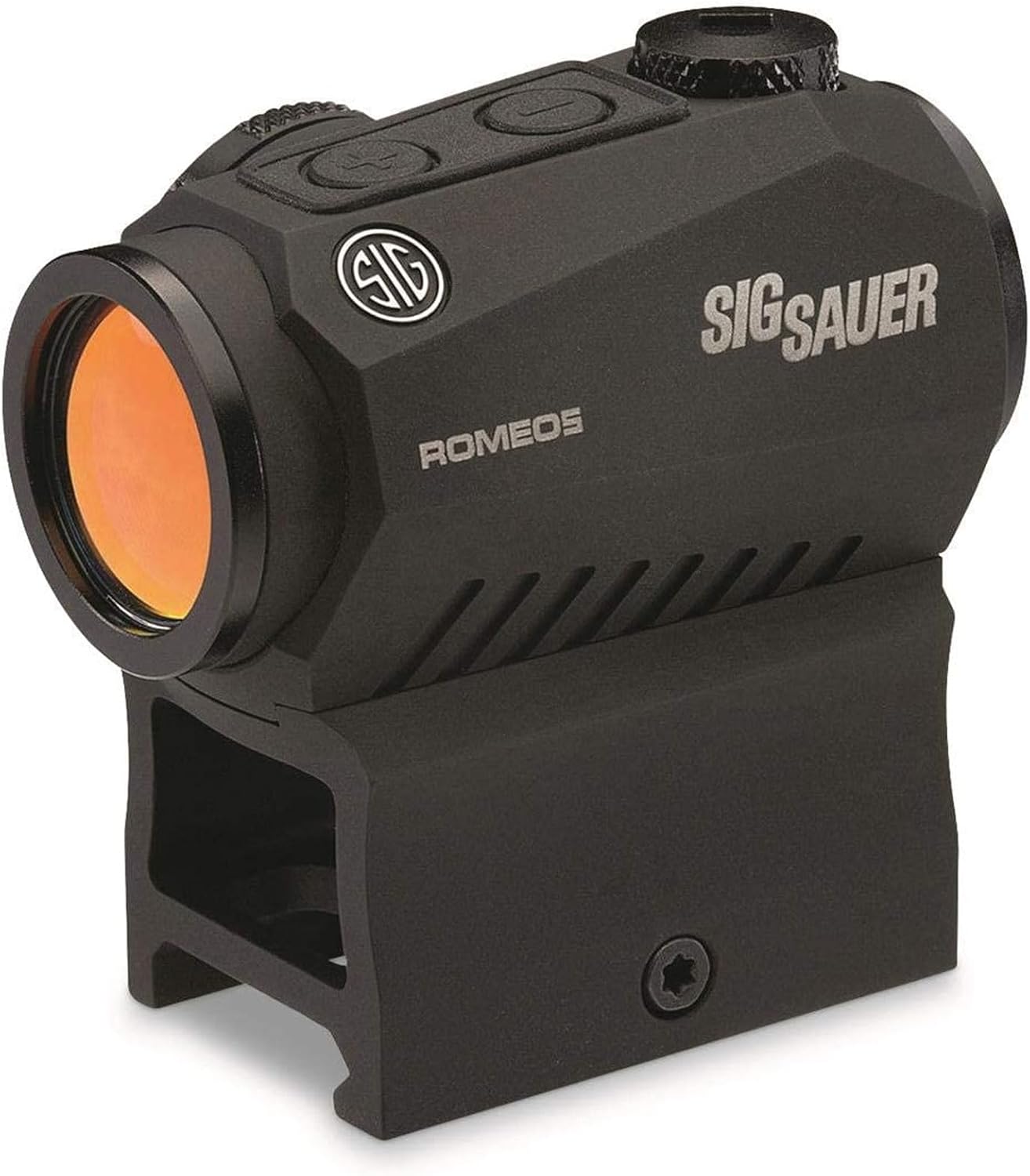
A budget-friendly optic that punches above its weight for mid-range shooting.
Specs:
2 MOA dot
MOTAC motion activation
Micro footprint
CR2032 battery
Pros:
Excellent value
Good battery life
Lightweight
Cons:
Noticeable tint
Slight dot bloom
My hands-on notes:
At 200 yards, the dot starts to bloom slightly depending on brightness settings. Glass clarity is decent but not exceptional. Parallax is controlled but not perfect. Controls are easy to use, even with gloves, though button feedback is softer than premium models.
What people say online:
Widely recommended for beginners. Many users confirm reliable performance up to 200 yards with proper zeroing.
Mounting clarity:
Micro footprint with included mount.
╰┈➤ Explore User Feedback and Current Pricing on Amazon
Primary Arms SLX MD-25
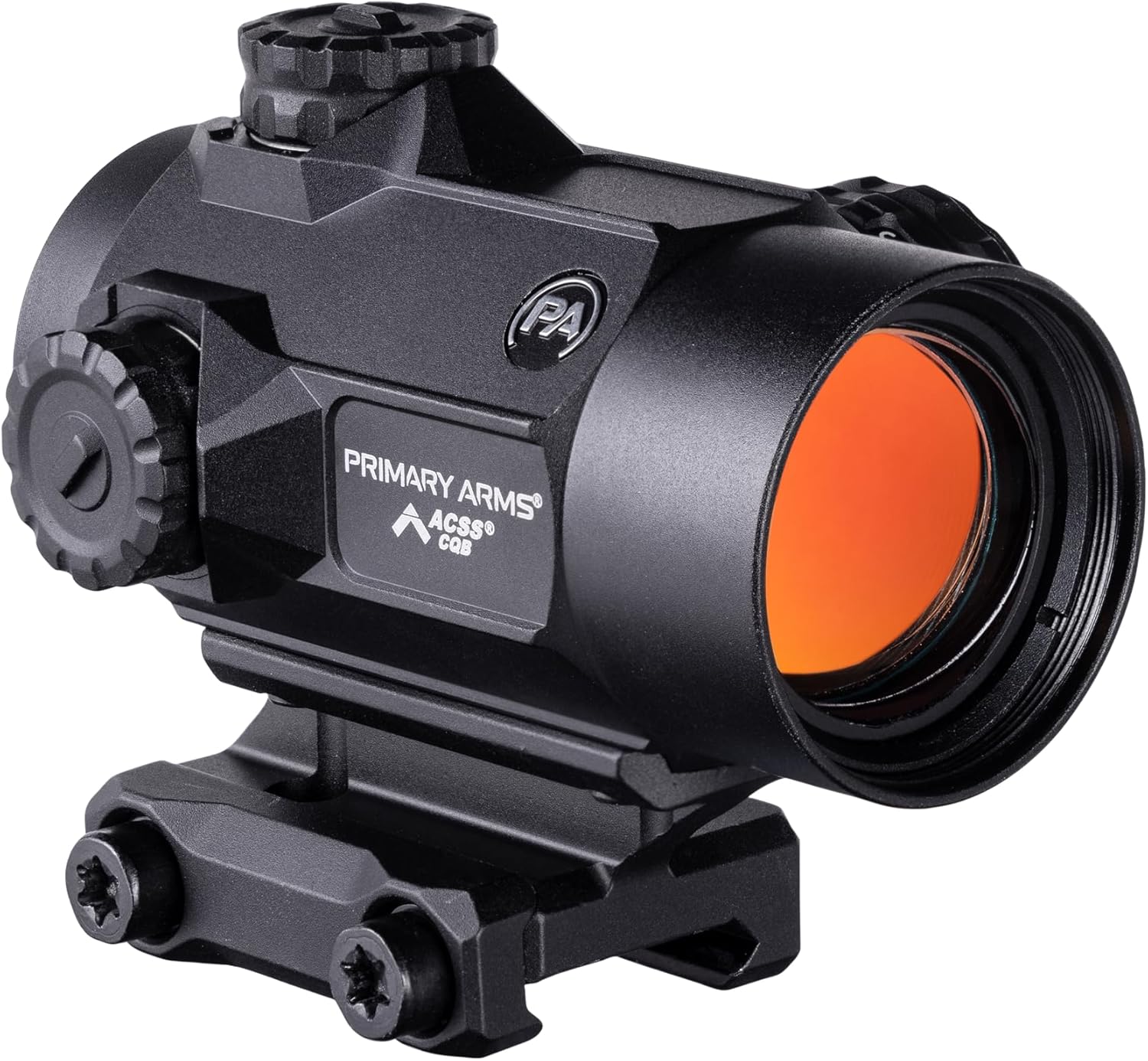
A 25mm tube optic offering a balance between micro dots and larger rifle optics.
Specs:
2 MOA dot
25mm objective
CR2032 battery
Rugged housing
Pros:
Larger sight picture
Minimal distortion
Strong durability
Cons:
Slightly bulkier
Limited premium features
My hands-on notes:
The larger tube helps with target acquisition and tracking at distance. The dot remains crisp, and parallax is well controlled. Glass quality is surprisingly good with minimal tint. The battery cap design is solid and easy to access.
What people say online:
Users appreciate the balance between price and performance. Often compared favorably to more expensive optics.
Mounting clarity:
Micro footprint compatible mounts.
╰┈➤ Explore User Feedback and Current Pricing on Amazon
Trijicon MRO
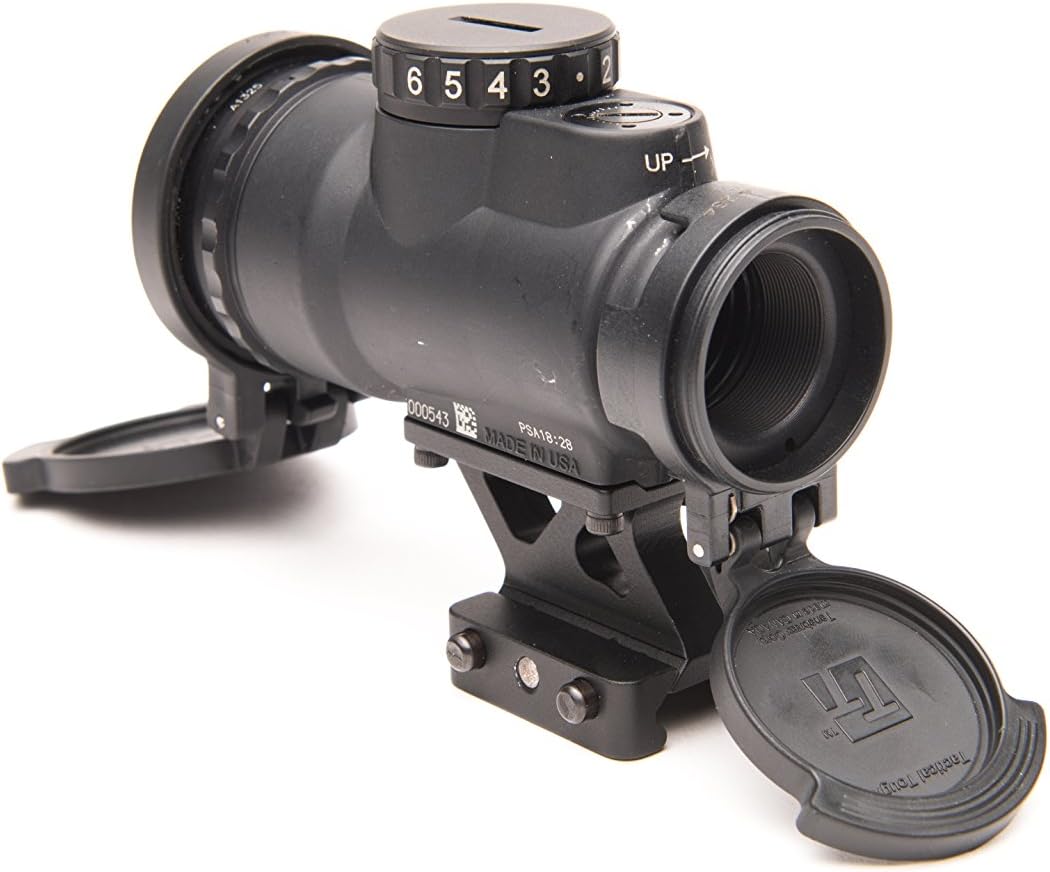
A rugged optic with a wide field of view and strong reputation for durability.
Specs:
2 MOA dot
CR2032 battery
Sealed housing
Large objective
Pros:
Wide field of view
Extremely durable
Long battery life
Cons:
Slight magnification effect
Blue tint
My hands-on notes:
At 200 yards, the slight magnification can actually help with precision. However, there is some noticeable parallax shift compared to Aimpoint. The glass tint is more pronounced but manageable. Controls are tactile and easy to adjust with gloves.
What people say online:
Mixed opinions on distortion, but most agree on durability and reliability.
Mounting clarity:
Uses proprietary mount pattern but widely supported.
╰┈➤ Explore User Feedback and Current Pricing on Amazon
How I Tested / Evaluation Criteria
Parallax:
At 200 yards, parallax errors become more visible. I tested each optic by shifting head position while maintaining target alignment. Premium optics like Aimpoint showed almost no shift, while budget options had slight deviations.
Co-witness / deck height:
Proper height affects comfort and repeatability. Lower deck heights allowed more natural cheek weld, especially important for consistent long-range shots.
Durability:
I evaluated recoil handling using rapid fire strings. Optics that maintained zero and showed no flicker or emitter issues ranked higher.
Battery:
Long battery life matters less at 200 yards than reliability. I focused on consistent output and secure battery compartments.
Brightness range:
Overly bright dots bloom and obscure targets at distance. Optics with fine brightness control performed better.
Glass quality:
Clarity, tint, and distortion all affect target visibility. Clear glass with minimal color shift was a major advantage.
Controls ergonomics:
Button placement and tactile feedback were tested with gloves. Side buttons generally performed best.
Mounting ecosystem:
Micro footprint optics offered the most flexibility. Proprietary mounts limited customization.
How to Choose the Right Red Dot for This Gun
Choosing a red dot for 200-yard shooting is about precision, not speed. At closer ranges, almost any optic works. But once you stretch beyond 100 yards, the limitations become obvious.
First, dot size is critical. A 2 MOA dot is ideal because it covers roughly 4 inches at 200 yards. Larger dots (3–6 MOA) will obscure too much of the target, making precise shots difficult. If possible, go even smaller—like the 1 MOA center dot in holographic optics.
Second, glass quality matters more than you think. Cheap optics often have heavy tint or distortion, which makes identifying targets harder at distance. Clear glass gives you better contrast and confidence in your shot.
Third, consider emitter design. Open emitters can get blocked by dust, rain, or debris. At 200 yards, even partial occlusion can ruin your sight picture. Enclosed emitters are more reliable in harsh conditions.
Fourth, mounting height and stability affect repeatability. A consistent cheek weld is essential. If your optic sits too high or too low, your point of aim can shift between shots.
Fifth, brightness control is often overlooked. A dot that’s too bright will bloom and appear larger than it actually is. Fine brightness adjustments allow you to keep the dot crisp and usable at longer distances.
Finally, understand the limitation: a red dot is not a scope. At 200 yards, you’re relying on skill, not magnification. Pairing a red dot with a magnifier can significantly improve performance if you regularly shoot at that distance.
FAQs
1. Can a red dot really be used at 200 yards?
Yes, but it requires a quality optic and good shooting fundamentals. Dot size and clarity are key.
2. What MOA dot is best for 200 yards?
2 MOA is ideal. Smaller is better for precision.
3. Are holographic sights better for long range?
They can be, due to finer center dots and reduced bloom.
4. Do I need a magnifier?
Not required, but highly recommended for consistent hits.
5. What zero should I use?
A 50/200 yard zero is the most practical for this distance.
Conclusion
The Best Red Dot for 200 Yards is ultimately the one that balances clarity, precision, and reliability under real-world conditions. While budget optics can reach that distance, premium models clearly stand out when it comes to maintaining a crisp dot, minimizing parallax, and delivering consistent performance shot after shot.