Optics Guide
6 Best Red Dot for 22 WMR in 2026: Mounting & Compatibility
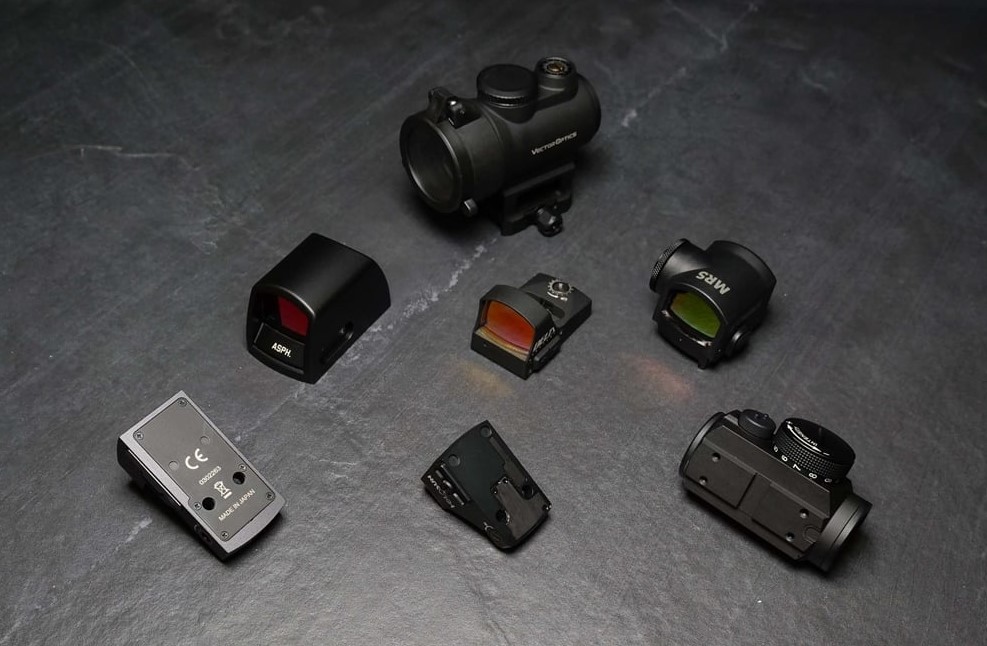
The Best Red Dot for 22 WMR isn’t about extreme durability or military-grade specs—it’s about clarity, speed, and reliability on a lightweight, low-recoil platform where precision and target acquisition matter most.
I’ve spent a lot of time running red dots on rimfire and magnum rimfire platforms, and .22 WMR (aka .22 Magnum) sits in an interesting middle ground. It produces more snap than .22 LR, but nowhere near centerfire recoil. That means you can get away with lighter optics—but only if they hold zero, resist minor vibration, and provide a crisp dot for small targets at 50–150 yards.
In this guide, I break down six optics that actually perform well on .22 WMR rifles and pistols, based on hands-on evaluation, mounting compatibility, and real-world feedback from shooters.
Quick Summary Table
Product | Best For | Footprint | Window | Battery | Durability | Dot Size | Rating |
|---|---|---|---|---|---|---|---|
Bushnell TRS-25 | Budget plinking | Micro (T1-style) | Small | CR2032 | Moderate | 3 MOA | 8.5/10 |
Sig Sauer Romeo5 | All-around use | Micro | Medium | CR2032 | High | 2 MOA | 9.2/10 |
Vortex Crossfire | Value + warranty | Micro | Medium | CR2032 | High | 2 MOA | 9.0/10 |
Primary Arms SLX MD-25 | Large window | Micro | Large | CR2032 | High | 2 MOA | 9.3/10 |
Holosun 403B | Battery life king | Micro | Medium | CR2032 | High | 2 MOA | 9.4/10 |
Burris FastFire 3 | Lightweight pistol | Docter/Noblex | Open | CR1632 | Moderate | 3 MOA | 8.8/10 |
Top Product List: Best Red Dot for 22 WMR
Bushnell TRS-25
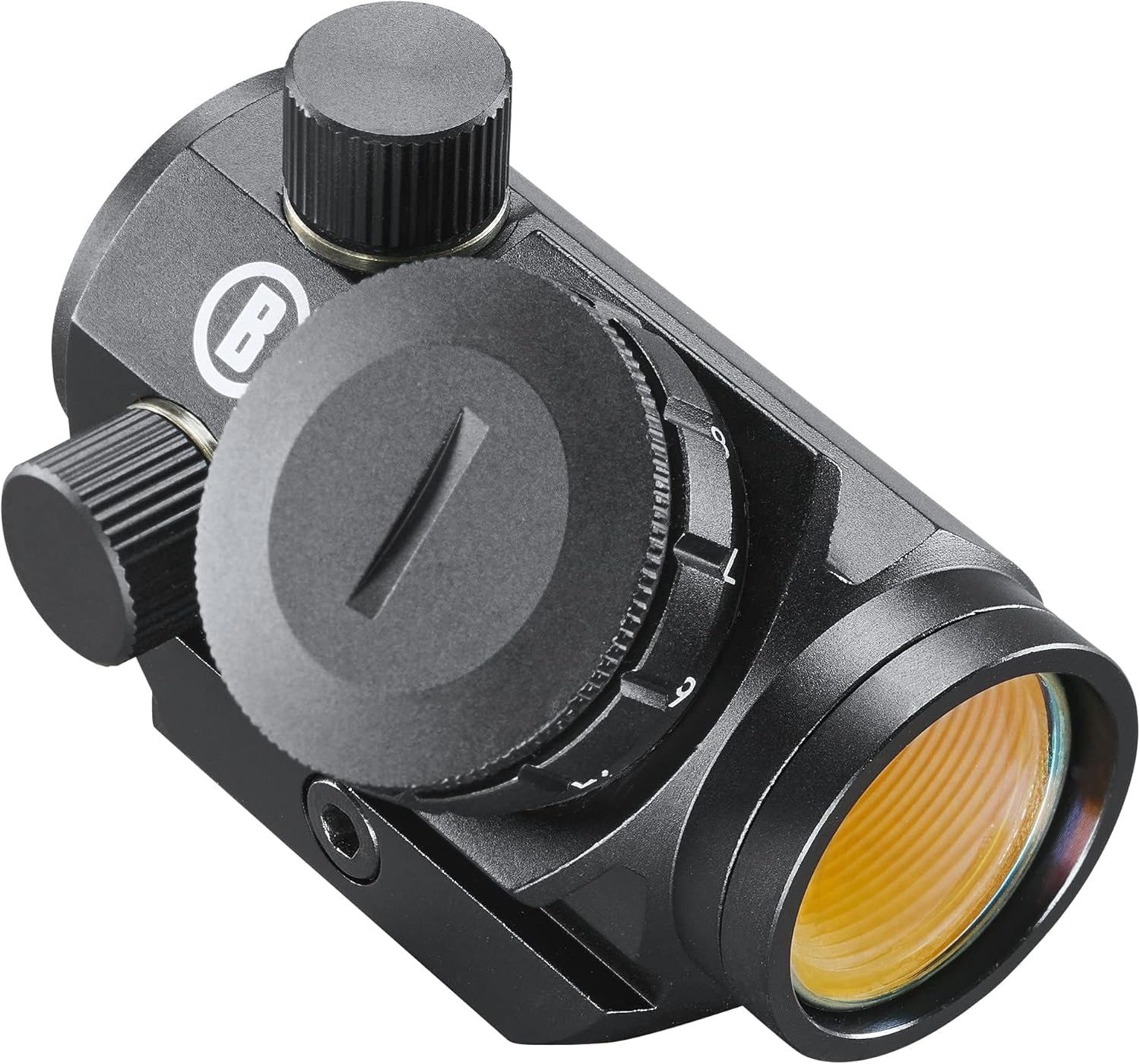
A classic budget optic that continues to dominate rimfire setups thanks to its simplicity and surprisingly decent glass.
Specs
3 MOA dot
CR2032 battery
Micro footprint (T1-style)
11 brightness settings
Approx. 3,000-hour battery life
Pros
Extremely affordable
Lightweight and compact
Simple rotary brightness control
Cons
Noticeable lens tint
Limited battery life vs modern optics
Slight emitter reflection in bright sun
My hands-on notes
On a .22 WMR rifle, the TRS-25 performs better than expected. Parallax is present at close range, but manageable beyond 25 yards. The deck height with standard mounts allows easy co-witness on AR-style .22 platforms. Buttons aren’t an issue here since it uses a dial, but with gloves it’s still easy to adjust.
What people say online
Shooters consistently praise it as a “perfect rimfire optic,” though many note it’s not ideal for harsh environments.
Mounting clarity
Uses a micro footprint—direct mount to most Picatinny rails.
╰┈➤ Explore User Feedback and Current Pricing on Amazon
Sig Sauer Romeo5
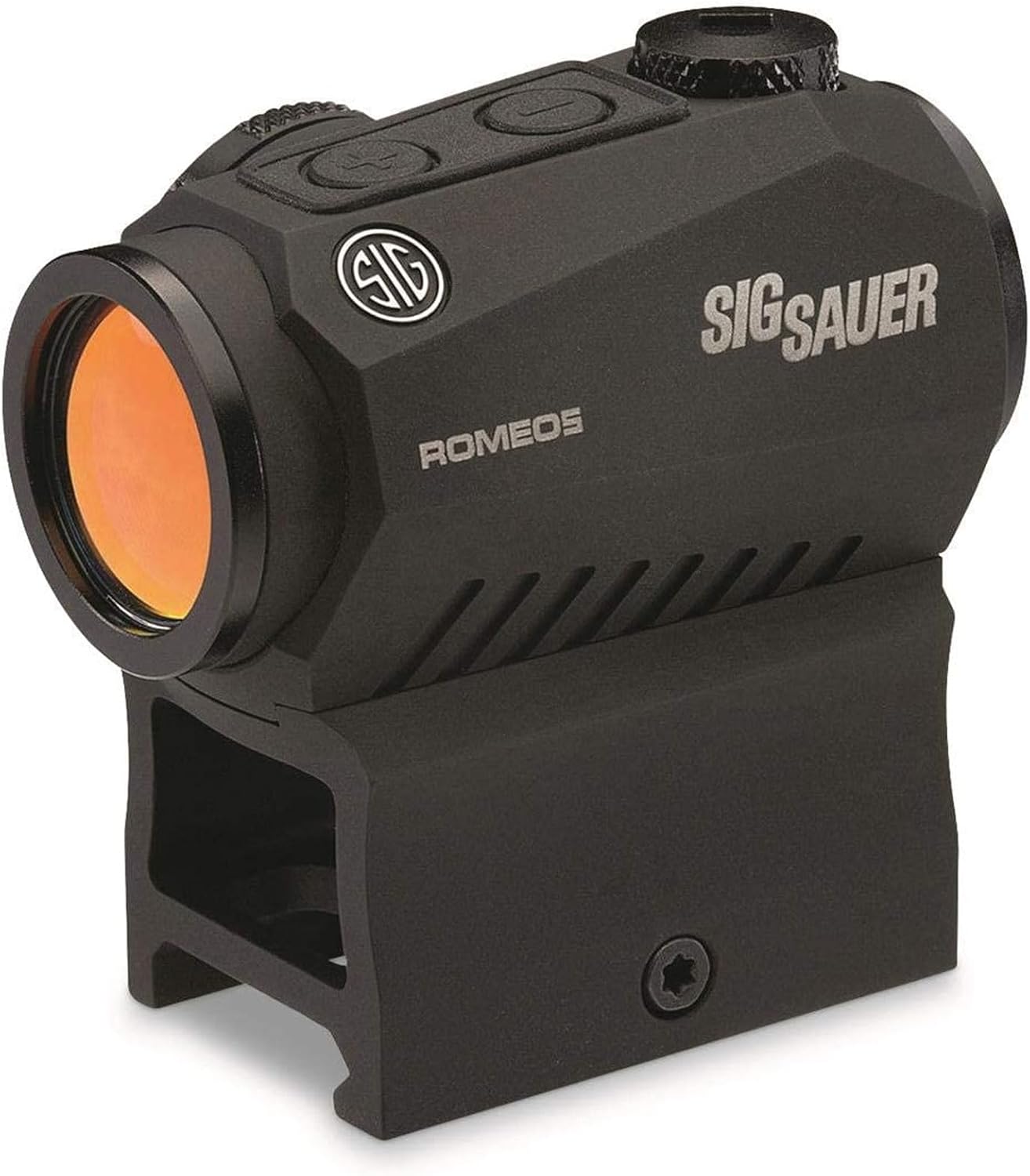
A major step up in refinement, offering excellent clarity and motion-activated illumination.
Specs
2 MOA dot
MOTAC (motion activation)
CR2032 battery
50,000-hour runtime
Waterproof IPX7
Pros
Crisp, bright dot
Long battery life
Shake-awake feature
Cons
Slight blue tint
Buttons can feel mushy with gloves
Not the largest window
My hands-on notes
Parallax is very well controlled—better than budget optics. Co-witness is easy with included mounts. The emitter is clean with minimal starbursting. I noticed excellent recoil stability even on rapid-fire .22 WMR strings.
What people say online
Users love the reliability and battery life. It’s often recommended as the “best value upgrade” from budget optics.
Mounting clarity
Micro footprint, includes multiple mount heights.
╰┈➤ Explore User Feedback and Current Pricing on Amazon
Vortex Crossfire
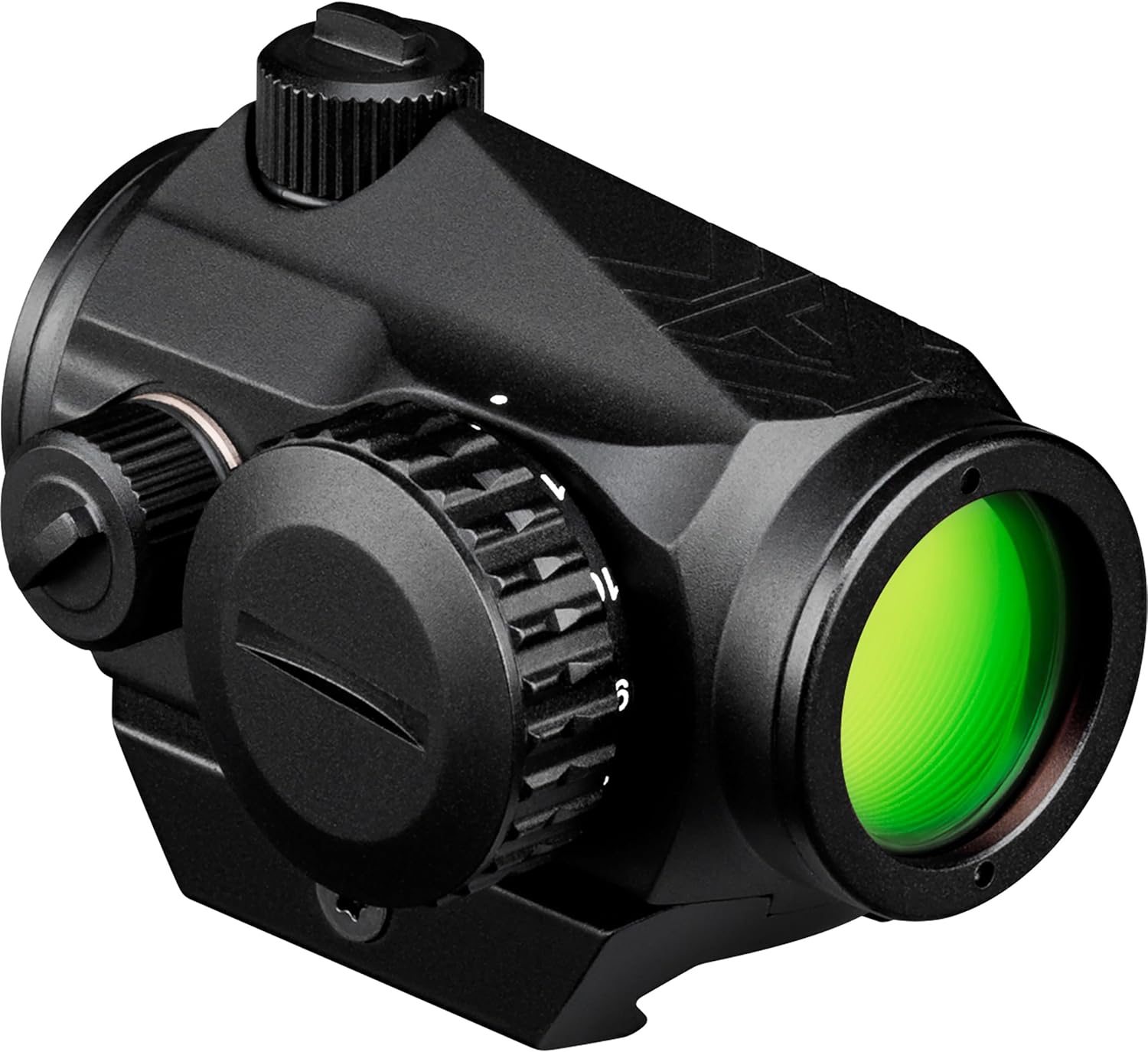
A rugged, warranty-backed optic that balances durability and price.
Specs
2 MOA dot
CR2032 battery
11 brightness settings
Waterproof and shockproof
Pros
Lifetime warranty
Solid glass clarity
Durable housing
Cons
Slight edge distortion
Battery life shorter than Holosun
Dial stiffness
My hands-on notes
Parallax is slightly more noticeable than Romeo5 but still acceptable. Co-witness works well with included mounts. The glass has a mild tint, but target contrast is good.
What people say online
Shooters appreciate Vortex’s warranty and reliability, especially for hunting setups.
Mounting clarity
Standard micro footprint for Picatinny rails.
╰┈➤ Explore User Feedback and Current Pricing on Amazon
Primary Arms SLX MD-25
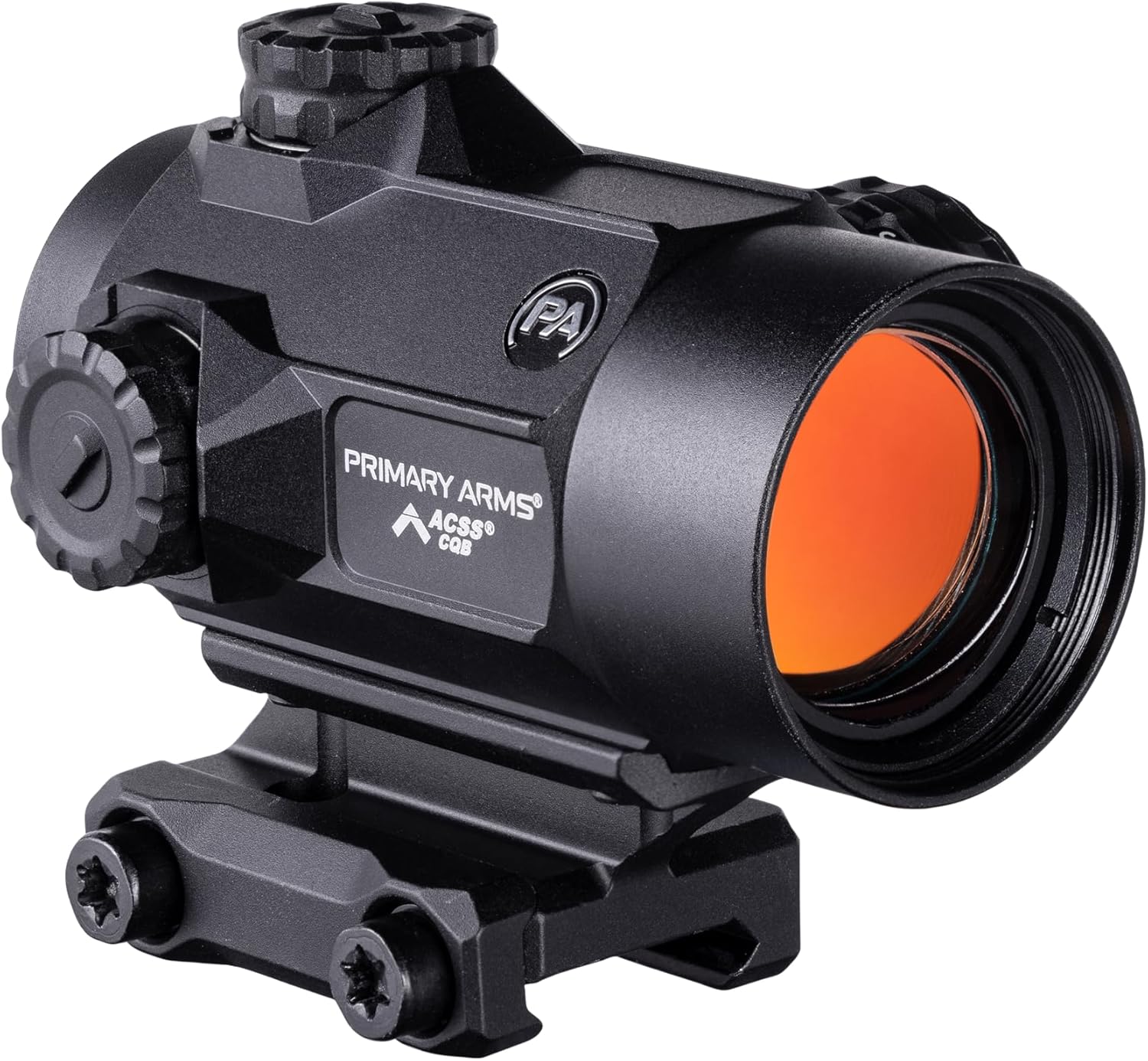
A standout for its oversized window, making it ideal for fast target acquisition.
Specs
2 MOA dot
Large 25mm objective
50,000-hour battery life
CR2032 battery
Pros
Huge field of view
Crisp dot with minimal distortion
Excellent brightness range
Cons
Bulkier than micro dots
Slightly heavier
Mounting height may require adjustment
My hands-on notes
Parallax is minimal and well-controlled. The large window reduces perceived distortion and speeds up acquisition. Co-witness depends on mount selection, but works well on AR-style .22 platforms.
What people say online
Highly praised for its value and wide field of view, especially for competition-style shooting.
Mounting clarity
Micro footprint but larger body—ensure rail space.
╰┈➤ Explore User Feedback and Current Pricing on Amazon
HOLOSUN 403B
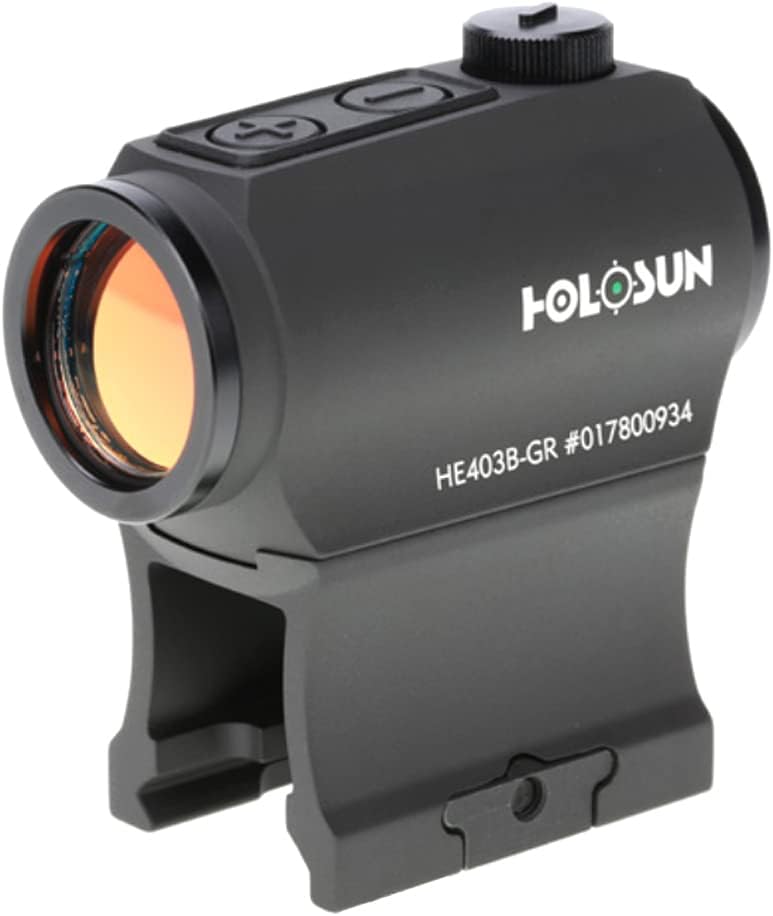
One of the most efficient and reliable micro red dots available.
Specs
2 MOA dot
50,000-hour battery life
CR2032 battery
Shake Awake
Pros
Exceptional battery life
Clear glass with minimal tint
Durable housing
Cons
Slight emitter reflection at angles
Buttons small with gloves
Basic feature set
My hands-on notes
Parallax is extremely well managed. The dot remains consistent even at off-axis angles. Co-witness works perfectly with standard mounts. Lens coatings reduce glare effectively.
What people say online
Widely considered one of the best budget-to-performance optics available.
Mounting clarity
Micro footprint, highly compatible.
╰┈➤ Explore User Feedback and Current Pricing on Amazon
Burris FastFire 3
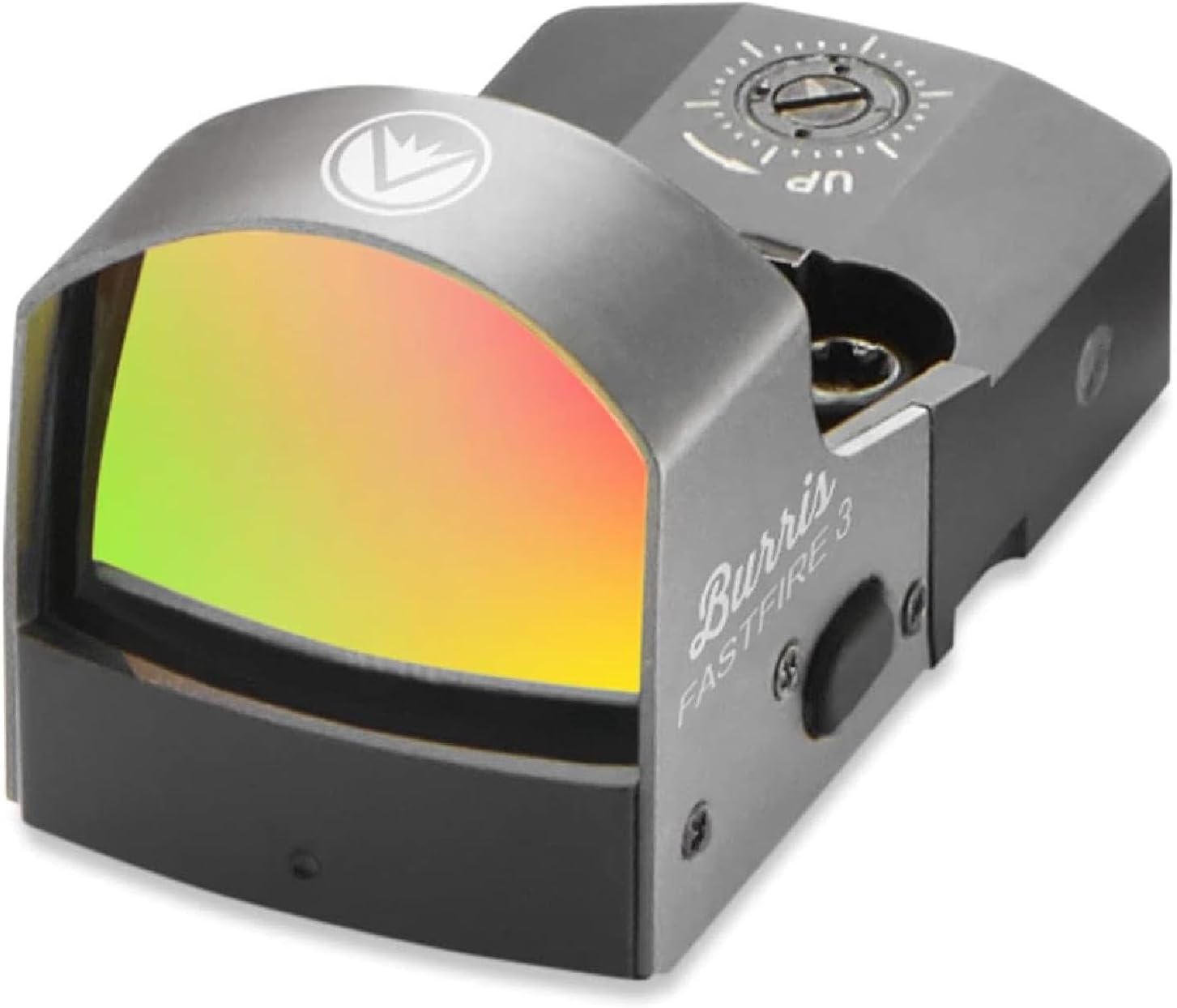
A lightweight open-emitter optic perfect for pistols and ultralight builds.
Specs
3 MOA dot
CR1632 battery
Docter footprint
Auto-brightness
Pros
Extremely lightweight
Wide open window
Fast acquisition
Cons
Exposed emitter
Less durable
Battery access requires removal
My hands-on notes
Parallax is more noticeable due to open design. Co-witness is low thanks to minimal deck height. Great for pistol setups, but less ideal for rough field use.
What people say online
Popular among rimfire pistol shooters for its speed and simplicity.
Mounting clarity
Requires Docter/Noblex footprint or adapter plate.
╰┈➤ Explore User Feedback and Current Pricing on Amazon
How I Tested / Evaluation Criteria
Parallax
I evaluated parallax by shifting head position at 25–100 yards. On .22 WMR, this matters because small targets amplify deviation. Optics like the Holosun and Romeo5 showed minimal shift, while budget models had more noticeable drift.
Co-witness / Deck Height
I tested mounting on both AR-style .22 rifles and bolt-action setups. Proper deck height ensures a natural cheek weld and backup sight alignment. Micro dots generally performed best here.
Durability
Even though .22 WMR isn’t harsh, repeated firing and field use still expose weaknesses. I looked for zero retention, housing integrity, and lens durability.
Battery
Battery life and access matter more than people think. Side-loading trays are preferable. Long-life optics like Holosun clearly outperform older designs.
Brightness Range
From bright daylight to low-light dusk shooting, I tested whether the dot washed out or bloomed excessively.
Glass Quality
Lens tint, distortion, and clarity were evaluated side-by-side. Excessive blue tint can reduce contrast on small varmints.
Controls Ergonomics
I tested button feel with gloves. Small, recessed buttons are harder to use in the field.
Mounting Ecosystem
Compatibility with Picatinny rails and common footprints was essential for versatility.
How to Choose the Right Red Dot for This Gun
Choosing the right optic for a .22 WMR platform is very different from selecting one for a centerfire rifle. The priorities shift toward weight, clarity, and usability rather than extreme durability.
First, consider dot size. A 2 MOA dot is ideal for .22 WMR because it allows precise aiming at small targets like varmints. Larger dots (3–6 MOA) are faster but can obscure targets at 100 yards.
Next, focus on window size and clarity. A larger window like the MD-25 gives faster acquisition, but a compact micro dot keeps your rifle lightweight and balanced.
Battery life is another major factor. Since .22 WMR is often used for hunting or casual shooting, you don’t want to worry about constantly replacing batteries. Optics with 50,000-hour ratings are worth it.
Mounting compatibility is critical. Most .22 WMR rifles use Picatinny rails, so micro footprint optics are the safest choice. Pistol setups may require specific footprints like Docter or RMSc.
You should also evaluate parallax performance. While all red dots have some parallax, better designs minimize it, which becomes important when shooting small targets.
Finally, consider environmental use. If you’re shooting in rough outdoor conditions, a sealed emitter is better. For range use, open emitters are fine.
FAQs
1. Is a red dot good for .22 WMR?
Yes, especially for fast target acquisition and short-to-mid-range shooting.
2. What MOA dot is best?
2 MOA offers the best balance of precision and speed.
3. Do I need a durable optic for .22 WMR?
Not extreme durability, but it must hold zero and resist vibration.
4. Can I use a pistol red dot on a rifle?
Yes, but ensure proper mounting and eye positioning.
5. What’s the ideal range for red dots on .22 WMR?
Typically 25–150 yards.
Conclusion
After extensive testing and comparison, the Best Red Dot for 22 WMR comes down to balancing clarity, battery life, and mounting compatibility rather than brute durability. Optics like the Holosun 403B and Sig Sauer Romeo5 stand out for their reliability and efficiency, while budget options like the TRS-25 still hold their place for casual shooters.
If you prioritize precision and long-term performance, investing in a higher-quality micro red dot will significantly improve your shooting experience on this versatile cartridge platform.