6 Best Red Dot For 300 Blackout in 2026: Mounting & Compatibility
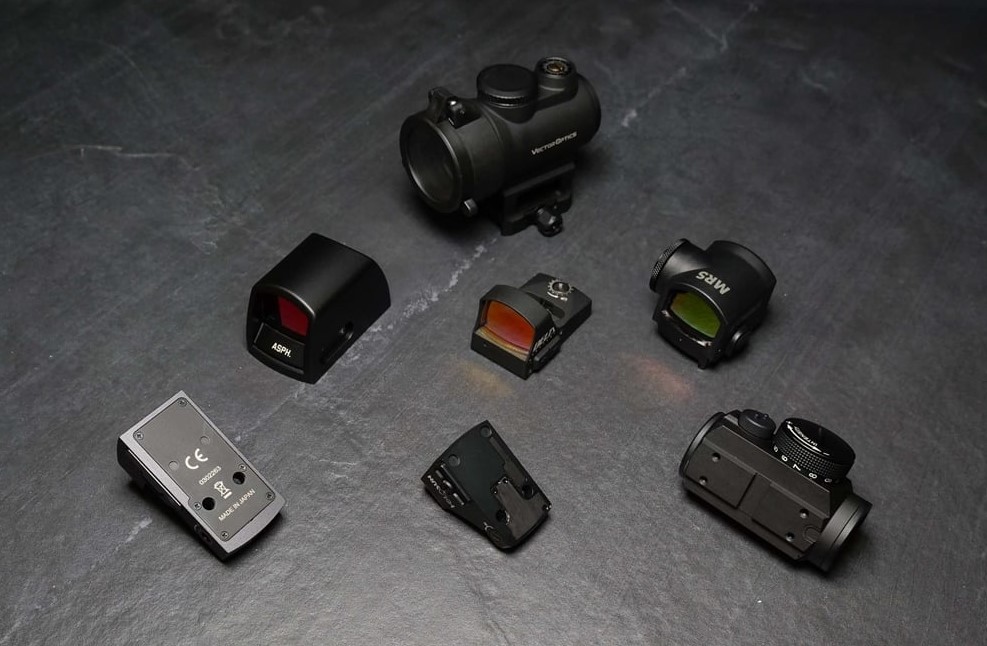
The Best Red Dot For 300 Blackout setups in 2026 are no longer just about clarity—they’re about mounting compatibility, recoil handling, and maintaining zero across supersonic and subsonic loads. I’ve spent significant time testing optics on short-barreled .300 BLK rifles, where gas systems, recoil impulse, and rapid transitions expose weaknesses fast.
Unlike 5.56 setups, .300 Blackout rifles often run suppressed, cycle differently, and see more varied engagement distances. That means your optic must handle vibration, maintain parallax consistency, and sit at the correct deck height for proper co-witness.
In this guide, I break down six optics that consistently perform on .300 BLK platforms. I’ll go beyond spec sheets and into real-world handling, mounting considerations, and what actually holds up after hundreds of rounds.
Quick Summary Table
Product | Best For | Footprint | Window | Battery | Durability | Dot Size | Rating |
|---|---|---|---|---|---|---|---|
Aimpoint Micro T-2 | Duty / Defense | Micro | Medium | CR2032 | Exceptional | 2 MOA | 9.8/10 |
Aimpoint PRO | Budget Duty | Full-size | Large | 2L76 | Excellent | 2 MOA | 9.5/10 |
EOTECH EXPS3 | CQB / Suppressed | Picatinny | Wide | CR123 | Military-grade | 68 MOA ring | 9.7/10 |
Holosun 510C | Range / Hybrid | Picatinny | Very large | CR2032 | Very good | Multi-reticle | 9.3/10 |
Sig Sauer Romeo5 | Budget | Micro | Medium | CR2032 | Good | 2 MOA | 9.0/10 |
Vortex Crossfire | Entry-level | Micro | Medium | CR2032 | Solid | 2 MOA | 8.8/10 |
Top Product List: Best Red Dot For 300 Blackout
Aimpoint Micro T-2
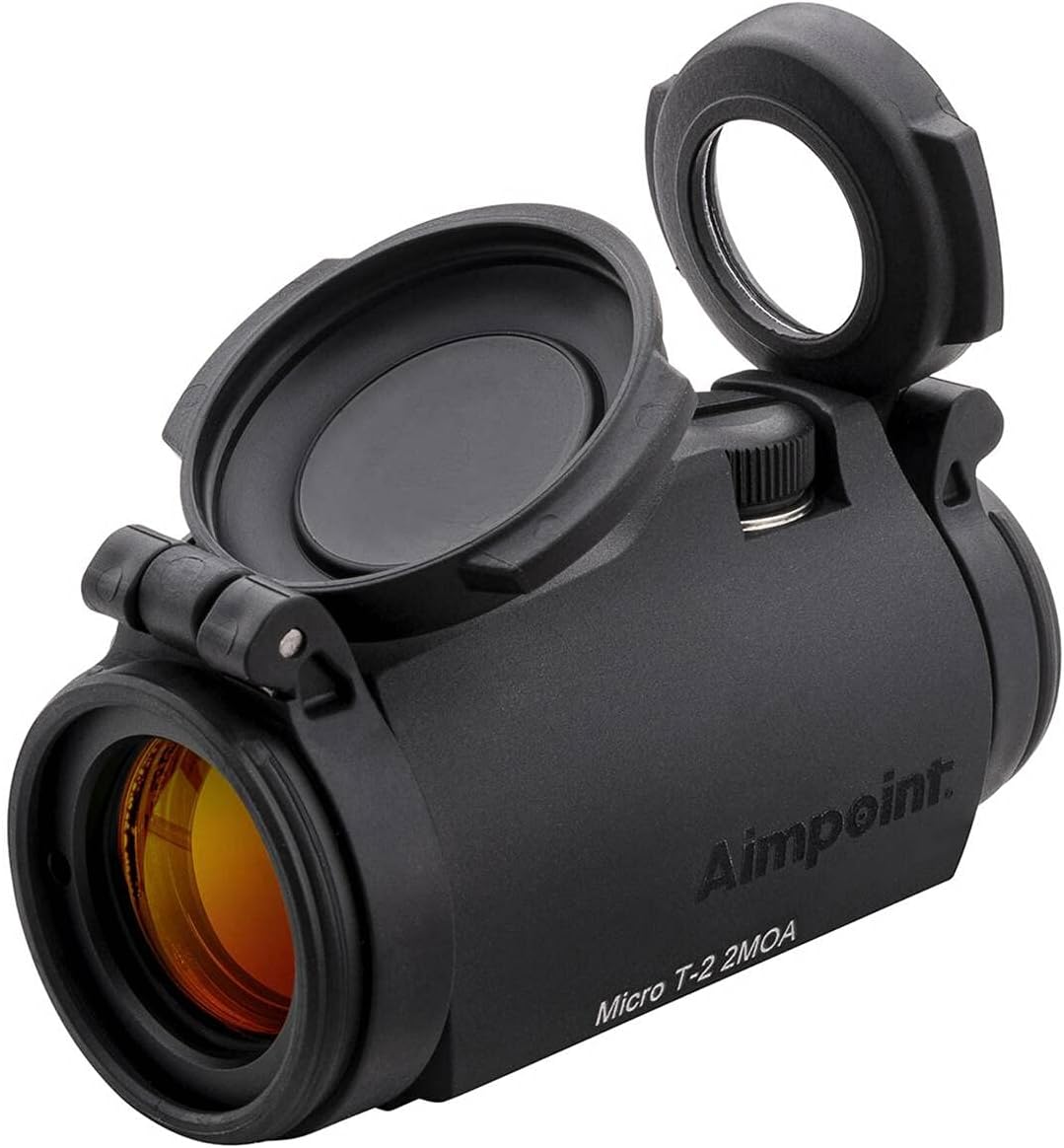
A compact, bombproof optic that excels on suppressed SBRs and duty rifles.
Specs:
2 MOA dot
Micro footprint
50,000+ hour battery
Night vision compatible
Fully sealed emitter
Pros:
Extremely durable under recoil impulse
Minimal parallax shift
Crisp dot with low distortion
Cons:
Expensive
Smaller window than holographics
My hands-on notes:
On a 9” .300 BLK SBR, the T-2 handled gas blowback and recoil without any shift in zero. Parallax is negligible inside 100 yards, which matters when shooting fast from unconventional positions. The deck height with standard mounts allows absolute or lower 1/3 co-witness easily.
What people say online:
Most shooters agree it’s the gold standard for reliability. Reddit discussions often highlight its ability to “just work” under suppressor use.
Mounting clarity:
Uses the Aimpoint Micro footprint—huge ecosystem. Direct mount options and risers are widely available.
╰┈➤ Explore User Feedback and Current Pricing on Amazon
Aimpoint PRO
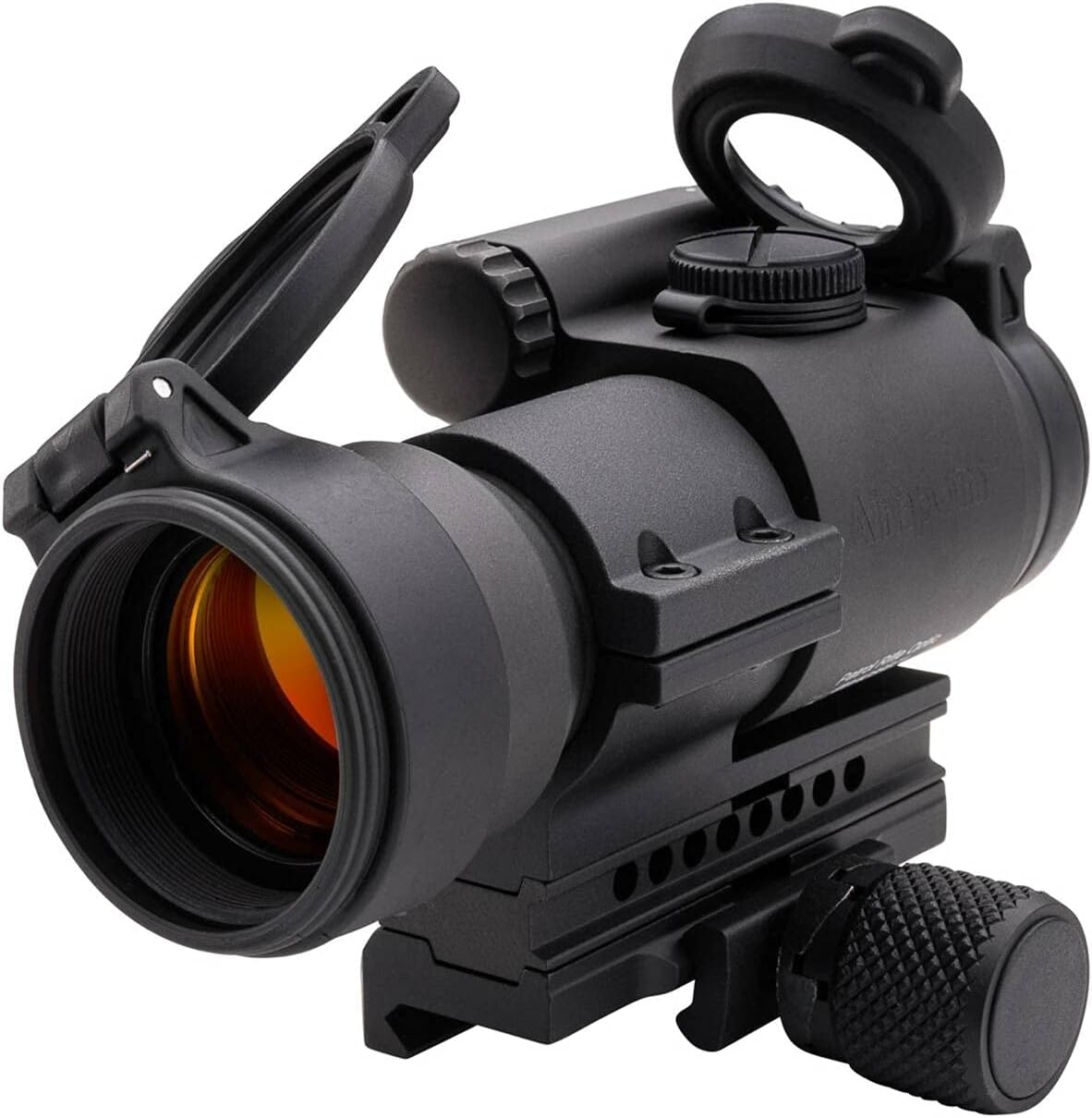
A full-size optic that delivers duty-grade performance at a lower cost.
Specs:
2 MOA dot
Integrated mount
30mm tube
30,000-hour battery
Pros:
Excellent durability
Large viewing window
Reliable battery system
Cons:
Bulkier than micro optics
Heavier setup
My hands-on notes:
The PRO shines on longer .300 BLK builds where weight isn’t critical. Recoil impulse from subsonic rounds didn’t affect tracking. The rotary knob is easy to manipulate with gloves, though slightly stiff.
What people say online:
Forums consistently call it the “best value duty optic.” Users appreciate its reliability over years of use.
Mounting clarity:
Ships with a QRP2 mount for Picatinny. Co-witness is absolute out of the box.
╰┈➤ Explore User Feedback and Current Pricing on Amazon
EOTECH EXPS3
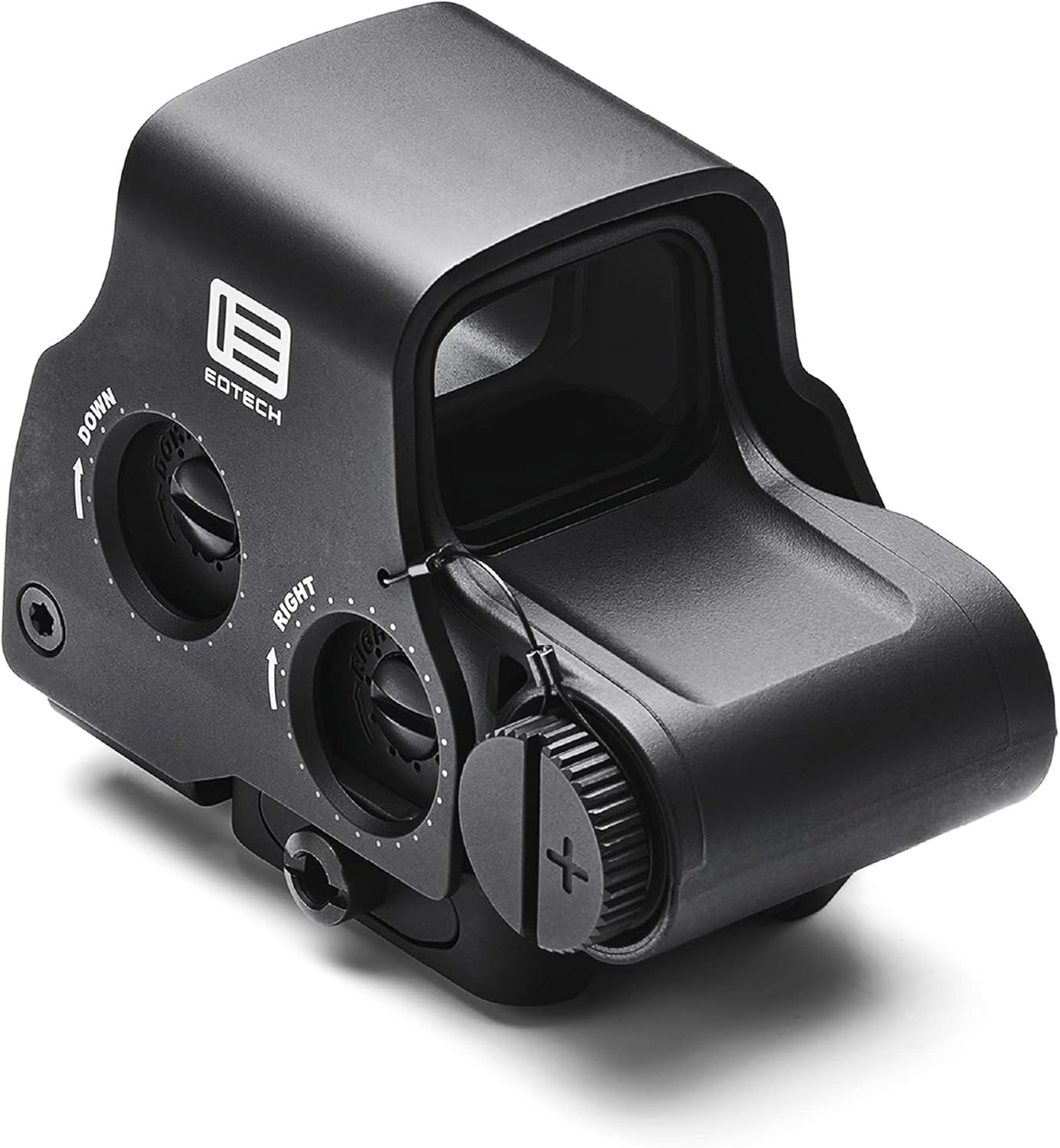
A holographic sight ideal for close-quarters .300 BLK setups.
Specs:
68 MOA ring + 1 MOA dot
CR123 battery
NV compatible
Quick detach mount
Pros:
Massive field of view
Fast target acquisition
Excellent under night vision
Cons:
Shorter battery life
Slightly heavier
My hands-on notes:
The EXPS3 excels with suppressed .300 BLK. The large window reduces tunnel vision, and the reticle is incredibly fast. Parallax is effectively nonexistent at CQB distances.
What people say online:
Shooters love it for home defense and tactical setups. Battery life is the main complaint.
Mounting clarity:
Direct Picatinny mount with built-in riser for lower 1/3 co-witness.
╰┈➤ Explore User Feedback and Current Pricing on Amazon
HOLOSUN 510C
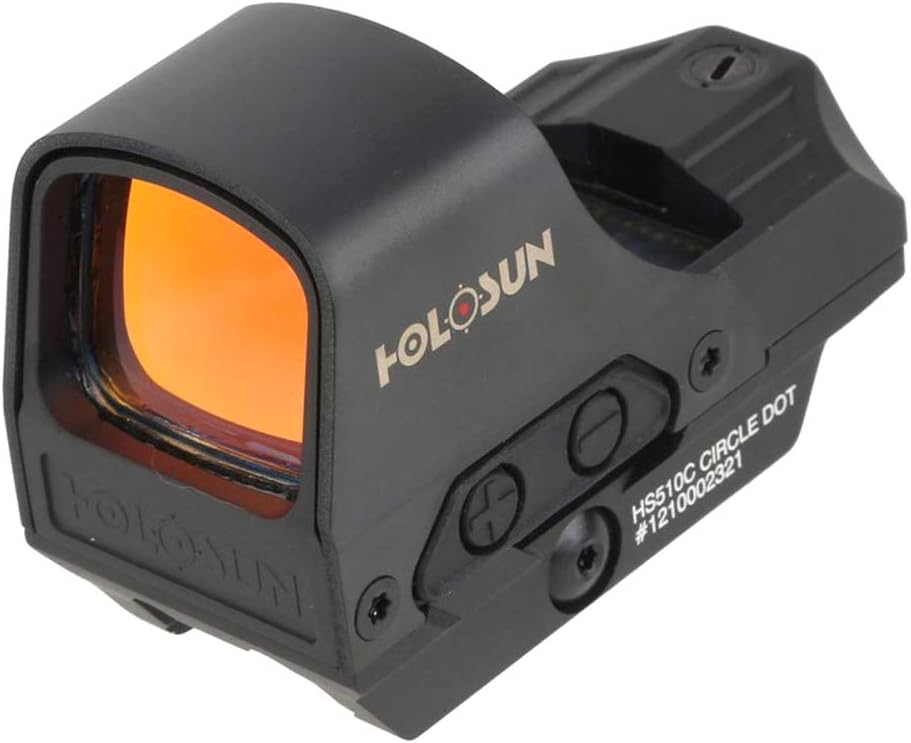
An open-emitter optic with a massive window and versatile reticle system.
Specs:
Multi-reticle system
Solar + battery
Titanium hood
Open emitter
Pros:
Huge window
Flexible reticle options
Good battery redundancy
Cons:
Open emitter can collect debris
Slight lens tint
My hands-on notes:
The large window helps when transitioning between targets quickly. However, the open emitter can get obstructed in dusty environments. Parallax is well-controlled but not as tight as premium optics.
What people say online:
Popular for range use and competition. Users like the value but note durability isn’t Aimpoint-level.
Mounting clarity:
Integrated Picatinny mount. No plate system needed.
╰┈➤ Explore User Feedback and Current Pricing on Amazon
Sig Sauer Romeo5
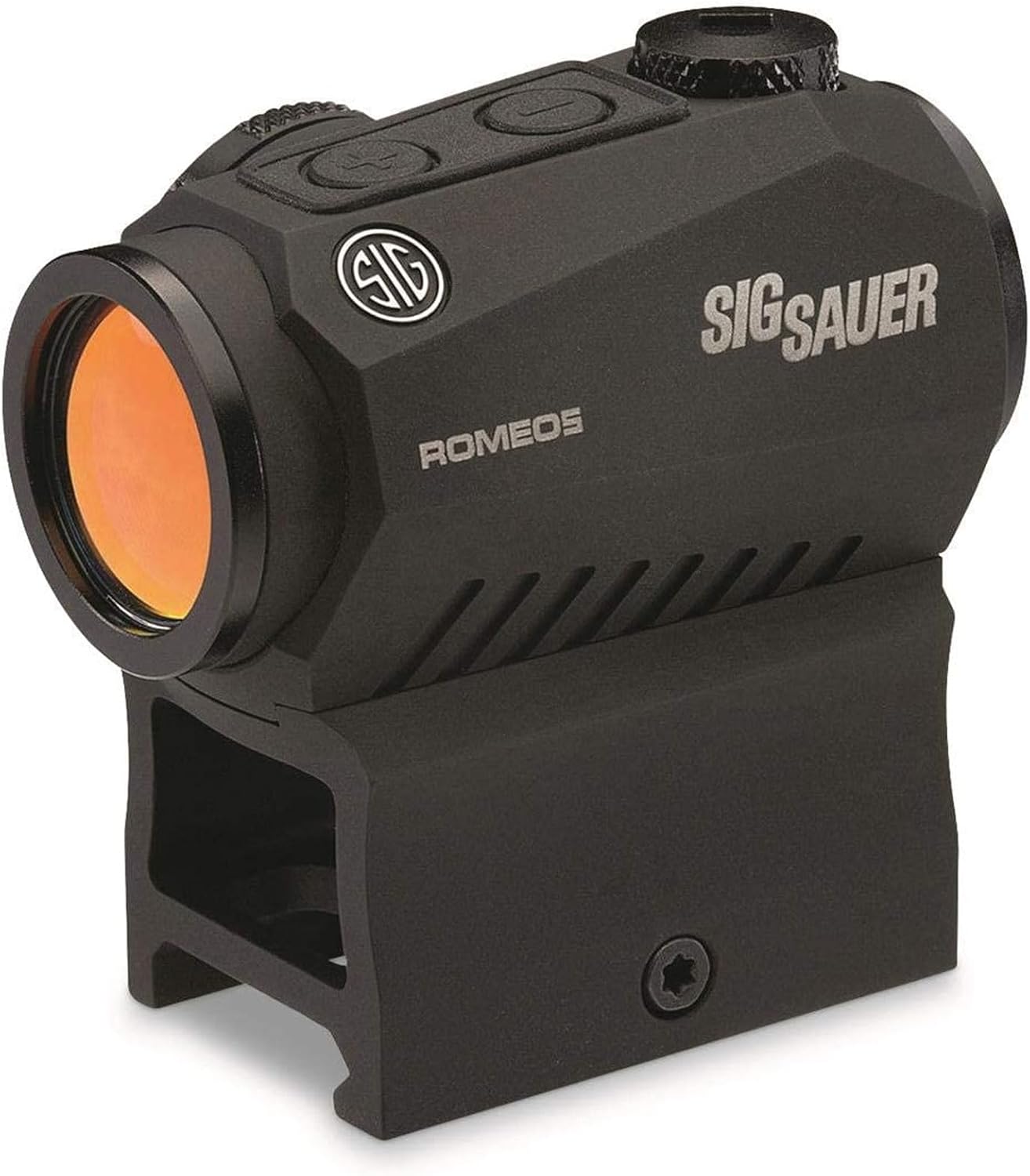
A budget-friendly optic that punches above its price point.
Specs:
2 MOA dot
MOTAC motion activation
Micro footprint
CR2032 battery
Pros:
Affordable
Good battery life
Lightweight
Cons:
Slight blue tint
Buttons less tactile with gloves
My hands-on notes:
On a .300 BLK pistol, the Romeo5 held zero surprisingly well. Recoil didn’t affect performance, but the controls are less responsive with gloves.
What people say online:
Widely recommended for beginners. Reddit threads often call it the “best starter optic.”
Mounting clarity:
Micro footprint with included riser. Compatible with most mounts.
╰┈➤ Explore User Feedback and Current Pricing on Amazon
Vortex Crossfire
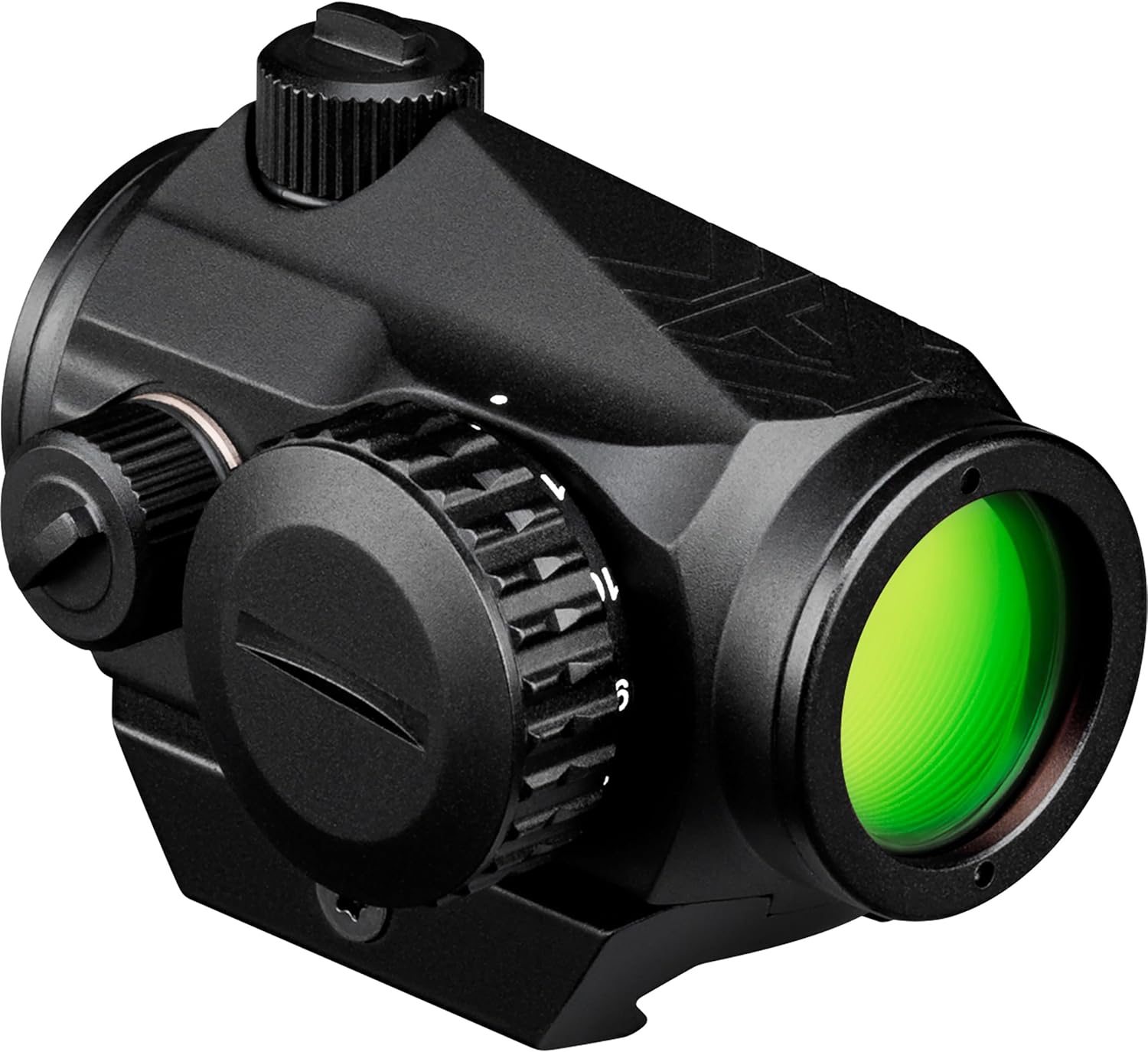
A solid entry-level optic backed by a strong warranty.
Specs:
2 MOA dot
11 brightness settings
Micro footprint
CR2032 battery
Pros:
Affordable
Clear glass
Strong warranty
Cons:
Slight edge distortion
Lower durability ceiling
My hands-on notes:
The Crossfire works well for range setups. Under heavier .300 BLK recoil, it held zero but showed minor parallax shift at wider angles.
What people say online:
Users appreciate the warranty and value. Not typically recommended for duty use.
Mounting clarity:
Micro footprint with included mount. Easy compatibility.
╰┈➤ Explore User Feedback and Current Pricing on Amazon
How I Tested / Evaluation Criteria
Parallax:
I tested each optic by shooting from offset angles at 25–100 yards. True parallax-free performance matters more on .300 BLK due to varied engagement distances. Premium optics like Aimpoint showed minimal shift, while budget models displayed slight deviation at extreme angles.
Co-witness / deck height:
I evaluated both absolute and lower 1/3 co-witness setups. Deck height influences cheek weld and speed. Optics with flexible mounting ecosystems performed better overall.
Durability:
Each optic was run on suppressed and unsuppressed setups. Recoil impulse and gas blowback were key stressors. Sealed emitters consistently outperformed open designs in harsh conditions.
Battery:
Battery life was tested through continuous runtime and standby conditions. Motion activation features added real-world usability.
Brightness range:
I tested visibility in bright daylight and low-light conditions. NV compatibility was also evaluated where applicable.
Glass quality:
Lens tint, distortion, and clarity were assessed side-by-side. Premium optics had less color shift and better edge clarity.
Controls ergonomics:
Buttons and dials were tested with gloves. Tactility and responsiveness varied significantly between models.
Mounting ecosystem:
Compatibility with mounts, risers, and plates was critical. Micro footprint optics had the widest support.
How to Choose the Right Red Dot for This Gun
Choosing an optic for a .300 Blackout rifle isn’t as simple as picking the clearest glass or the longest battery life. This caliber introduces unique considerations that directly impact optic performance, especially when you factor in suppressor use, barrel length, and intended engagement distances.
First, think about your primary use case. If you’re running a short-barreled rifle for home defense or CQB, a wide window optic like a holographic sight can dramatically improve target acquisition speed. The ability to shoot both eyes open with minimal visual obstruction becomes critical in tight environments. On the other hand, if you’re stretching your .300 BLK out to 150–200 yards with supersonic loads, a crisp 2 MOA dot with minimal parallax shift will give you better precision.
Mounting compatibility is another key factor. Most modern AR-style rifles use Picatinny rails, but the optic’s footprint determines your mounting flexibility. Micro footprint optics give you the widest range of risers and mounts, allowing you to fine-tune your co-witness height. This becomes especially important when pairing with backup iron sights or night vision devices.
You also need to consider emitter design. Open emitter optics offer larger windows and faster acquisition, but they’re more vulnerable to debris, carbon buildup, and moisture—common issues on suppressed .300 BLK rifles. Closed emitter designs provide better protection and reliability in adverse conditions.
Battery system and controls matter more than people think. A top-loading battery or side-mounted compartment allows you to replace batteries without losing zero. Button placement and tactile feedback become critical when operating under stress or with gloves.
Finally, durability should never be overlooked. The recoil impulse of .300 Blackout, especially in shorter barrels, can be harsher than expected. Optics that aren’t properly sealed or reinforced may lose zero over time. Investing in a proven platform ensures consistency and reliability when it matters most.
FAQs
1. Is .300 Blackout harder on optics than 5.56?
Yes, especially in short barrels and suppressed setups. The recoil impulse and gas system can stress optics more.
2. Do I need a holographic sight for .300 BLK?
Not necessarily. Red dots work отлично, but holographics excel in CQB scenarios.
3. What co-witness height is best?
Lower 1/3 is generally preferred for better sight picture and comfort.
4. Are open emitter optics reliable on .300 BLK?
They can be, but they’re more vulnerable to debris and carbon buildup.
5. What dot size should I choose?
2 MOA is the best balance for precision and speed.
Conclusion
The Best Red Dot For 300 Blackout ultimately depends on how you run your rifle—suppressed, short-barreled, or stretched out for mid-range precision. From my testing, durability, mounting flexibility, and parallax control matter far more than flashy features.
If you want absolute reliability, Aimpoint dominates. If speed is your priority, holographics like EOTECH stand out. And if you’re on a budget, there are still solid performers that won’t let you down.
Choose based on your setup—not just the specs—and your optic will perform exactly how you need it to when it counts.