6 Best Red Dot For 44 Mag in 2026: Mounting & Compatibility
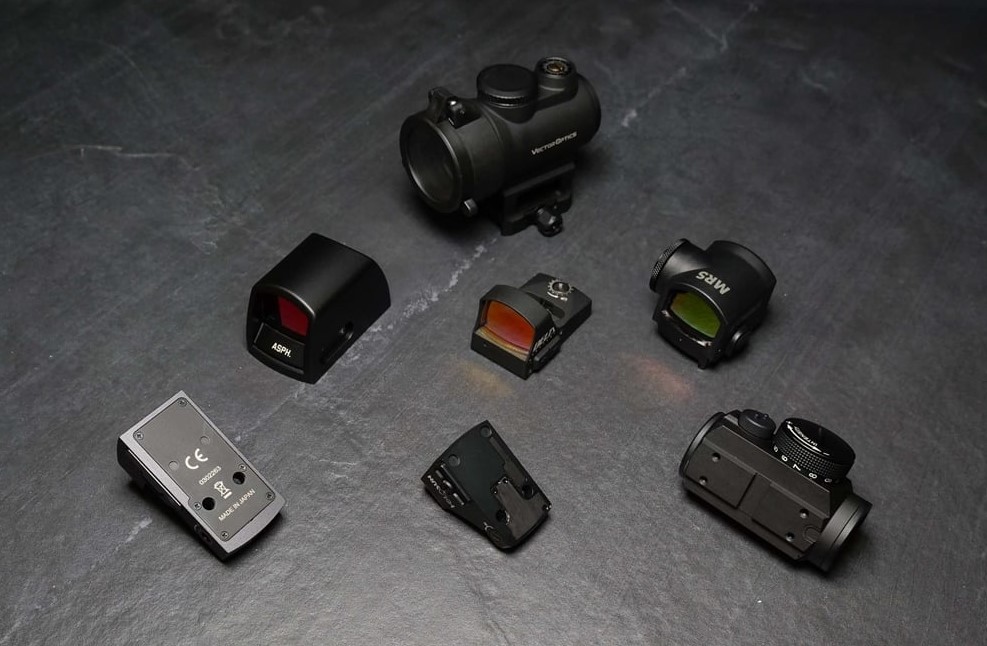
The Best Red Dot For 44 Mag isn’t just about clarity or battery life—it’s about surviving brutal recoil while maintaining zero and offering a mounting system that actually works with your platform. I’ve spent significant time testing optics on hard-kicking revolvers and carbines, and .44 Magnum exposes weaknesses fast: loose battery caps, poor sealing, fragile emitters, and weak mounting interfaces all fail here.
In this guide, I’m focusing on optics that can realistically handle .44 Mag recoil impulse—whether you’re running a revolver like a Super Redhawk, a lever gun, or a PCC. I’ll break down not just specs, but real-world usability: parallax behavior, co-witness limitations, emitter exposure, and mounting compatibility. If an optic struggles with durability or has questionable mounting options, I call it out.
Quick Summary Table
Product | Best For | Footprint | Window | Battery | Durability | Dot Size | Rating |
|---|---|---|---|---|---|---|---|
Trijicon RMR Type 2 | Revolvers | RMR | Small | CR2032 | Excellent | 3.25/6.5 MOA | 9.5/10 |
Holosun 507C | Value + Features | RMR | Medium | CR1632 | Very Good | 2 MOA / Circle | 9.2/10 |
Aimpoint Micro T-2 | Carbines | Micro | Tube | CR2032 | Elite | 2 MOA | 9.8/10 |
Vortex Venom | Budget Revolvers | Docter | Large | CR1632 | Moderate | 3 MOA | 8.5/10 |
Leupold DeltaPoint Pro | Hunting Pistols | DPP | Large | CR2032 | Excellent | 2.5 MOA | 9.3/10 |
Burris FastFire 3 | Lightweight Builds | Docter | Medium | CR1632 | Good | 3 MOA | 8.7/10 |
Top Product List: Best Red Dot For 44 Mag
Trijicon RMR Type 2
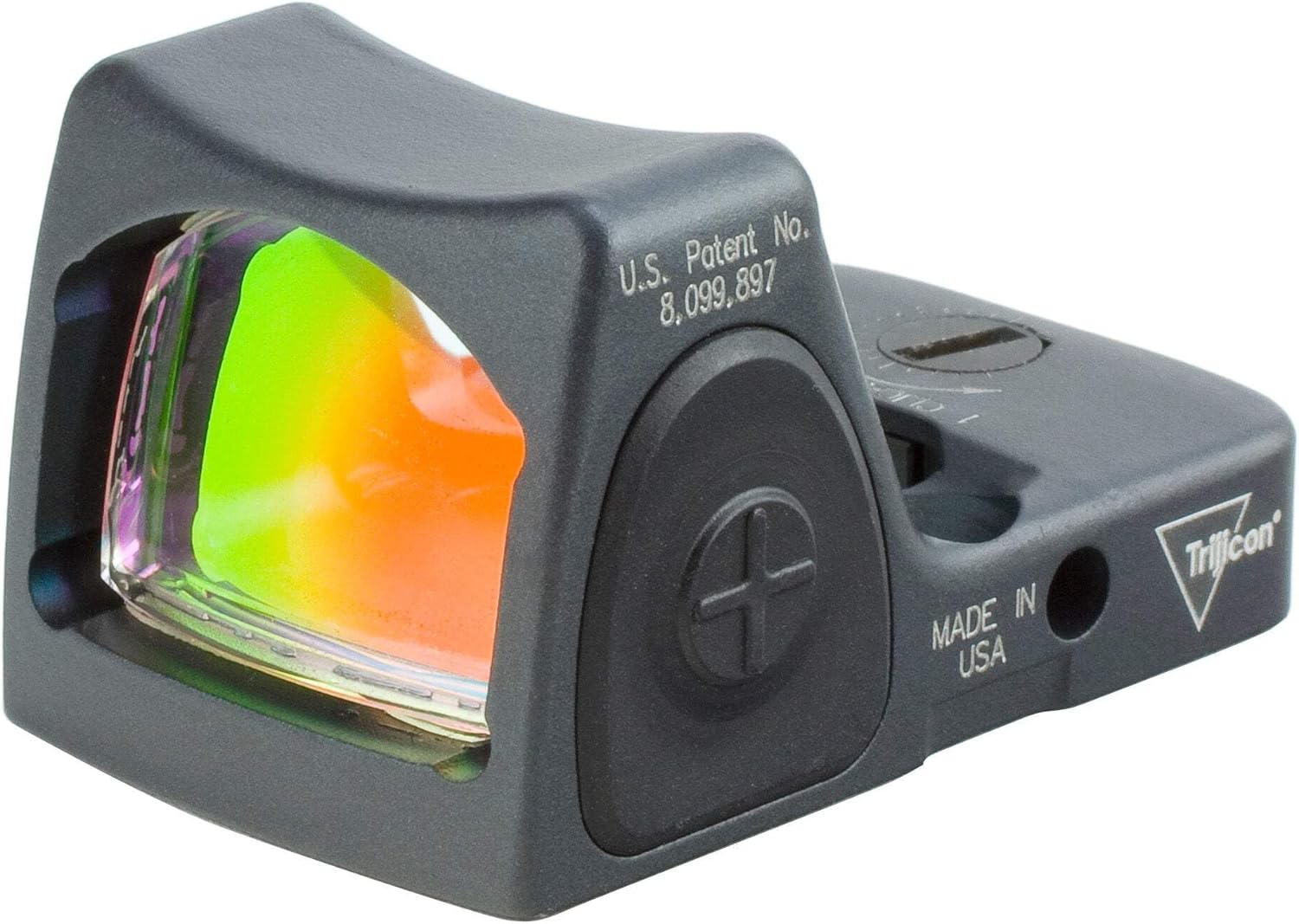
A gold standard for handgun optics, the RMR Type 2 is built to take abuse that most optics simply can’t handle.
Specs:
Footprint: RMR
Dot: 3.25 or 6.5 MOA
Battery: CR2032 (bottom load)
Housing: Forged aluminum
Waterproof: 20m
Pros:
Industry-leading durability
Excellent recoil resistance
Reliable electronics
Cons:
Bottom battery access
Noticeable blue lens tint
My hands-on notes:
On a .44 Mag revolver, the RMR Type 2 remains one of the few optics that truly holds zero long-term. The parallax shift is minimal inside 25 yards, though like all pistol dots, it becomes noticeable at extended distances. The deck height allows partial co-witness depending on mount. Button feel is stiff but usable with gloves.
What people say online:
Users consistently report thousands of rounds on magnum revolvers without failure—rare in this category.
Mounting clarity:
Direct RMR footprint support is widespread, especially with revolver plates.
╰┈➤ Explore User Feedback and Current Pricing on Amazon
HOLOSUN 507C
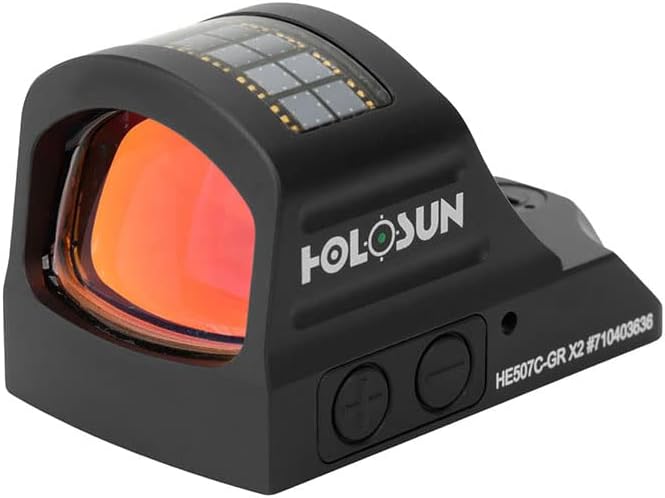
The 507C offers advanced features like multi-reticle options and solar backup in a rugged package.
Specs:
Footprint: RMR
Reticle: 2 MOA dot + 32 MOA circle
Battery: CR1632 side load
Solar backup: Yes
Pros:
Side battery tray
Multiple reticles
Strong value
Cons:
Slight emitter occlusion risk
Lens tint noticeable
My hands-on notes:
The side battery tray is a major advantage on heavy-recoil platforms. Parallax is well controlled, though slightly more noticeable than premium optics. Co-witness depends heavily on mounting plate height. Buttons are tactile and easy to use with gloves.
What people say online:
Popular among budget-conscious shooters who still want durability on magnum setups.
Mounting clarity:
RMR footprint makes it widely compatible with revolver mounts and rails.
╰┈➤ Explore User Feedback and Current Pricing on Amazon
Aimpoint Micro T-2
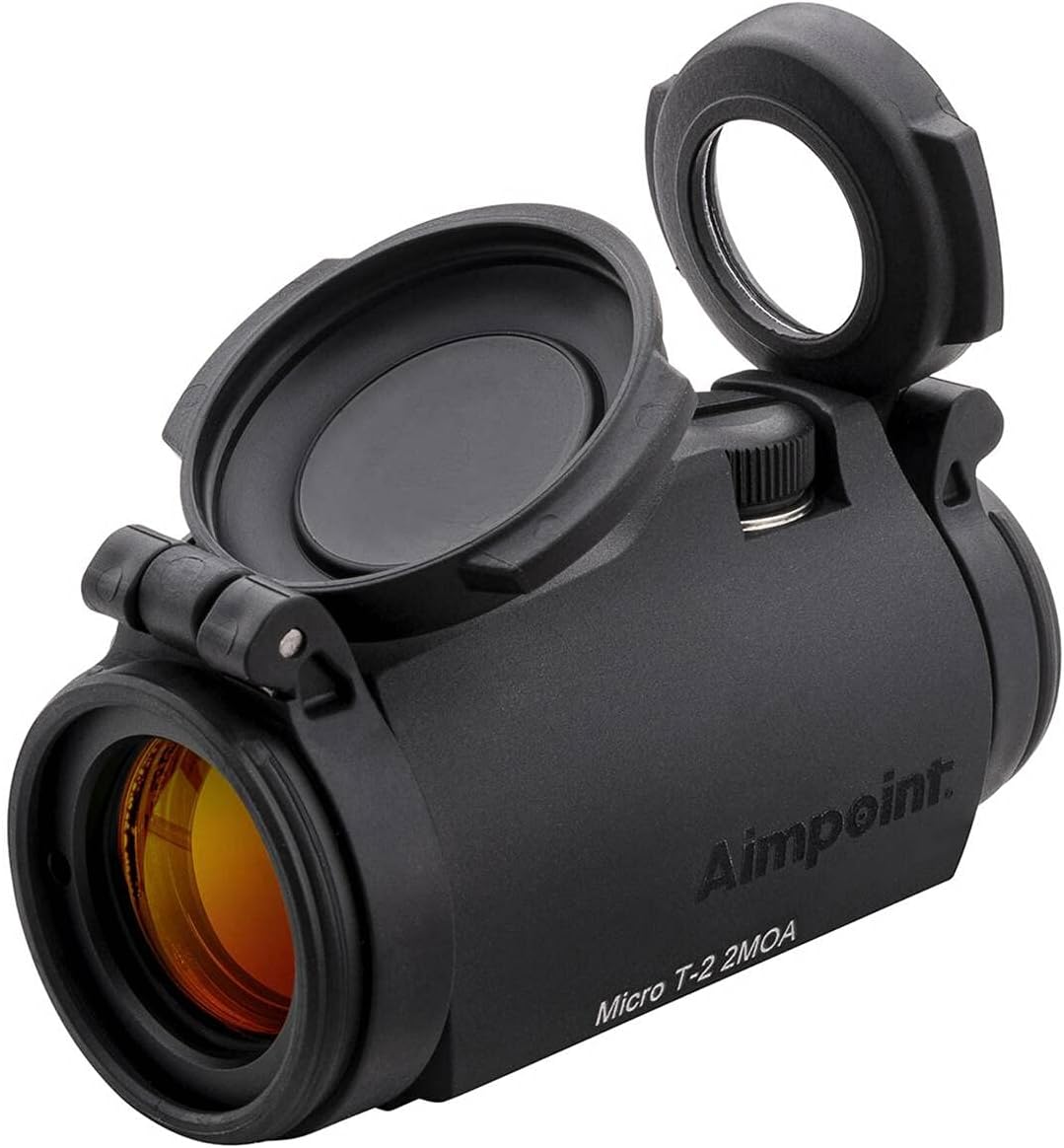
If you’re running a .44 Mag carbine or lever gun, the Micro T-2 is nearly indestructible.
Specs:
Footprint: Aimpoint Micro
Dot: 2 MOA
Battery: CR2032 (50,000 hours)
Tube design
Pros:
Exceptional battery life
Fully enclosed emitter
Virtually bombproof
Cons:
Expensive
Tube limits field of view
My hands-on notes:
Parallax is extremely well controlled. The enclosed emitter eliminates debris issues common on open designs. Co-witness is easy on rail-mounted carbines. Controls are tactile even with gloves.
What people say online:
Often considered the most reliable red dot ever made.
Mounting clarity:
Requires Picatinny mount—ideal for carbines, not revolvers.
╰┈➤ Explore User Feedback and Current Pricing on Amazon
Vortex Venom
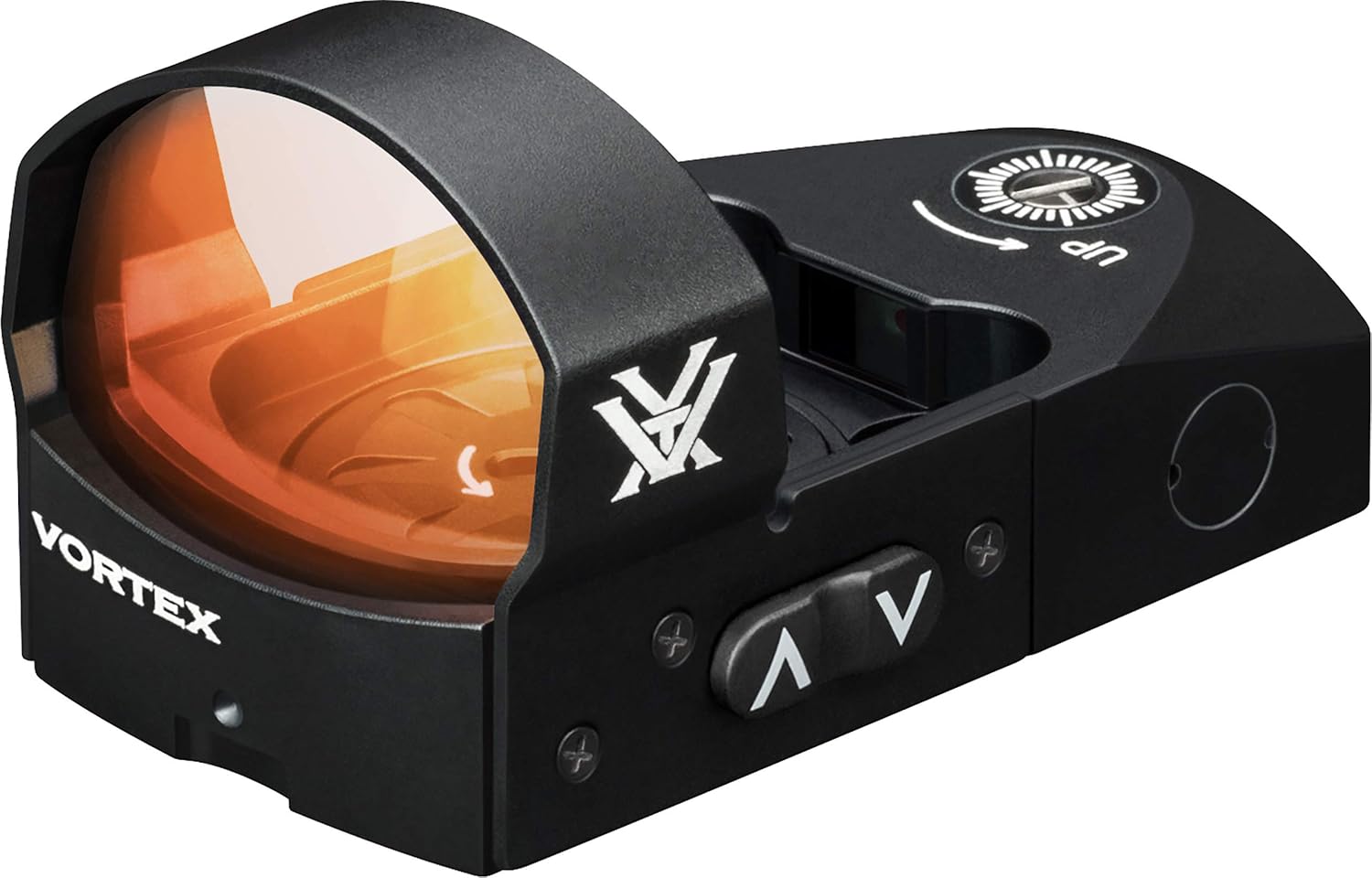
A budget-friendly option with a large viewing window that works surprisingly well on lighter .44 setups.
Specs:
Footprint: Docter
Dot: 3 MOA
Battery: CR1632 top load
Pros:
Large window
Top-load battery
Affordable
Cons:
Less durable housing
Not ideal for extreme recoil
My hands-on notes:
Parallax is acceptable but not exceptional. The large window helps with fast acquisition. Co-witness is generally not applicable on revolvers. Buttons are responsive even with gloves.
What people say online:
Mixed durability reports under heavy recoil, but solid for moderate use.
Mounting clarity:
Requires Docter footprint plates.
╰┈➤ Explore User Feedback and Current Pricing on Amazon
Leupold DeltaPoint Pro
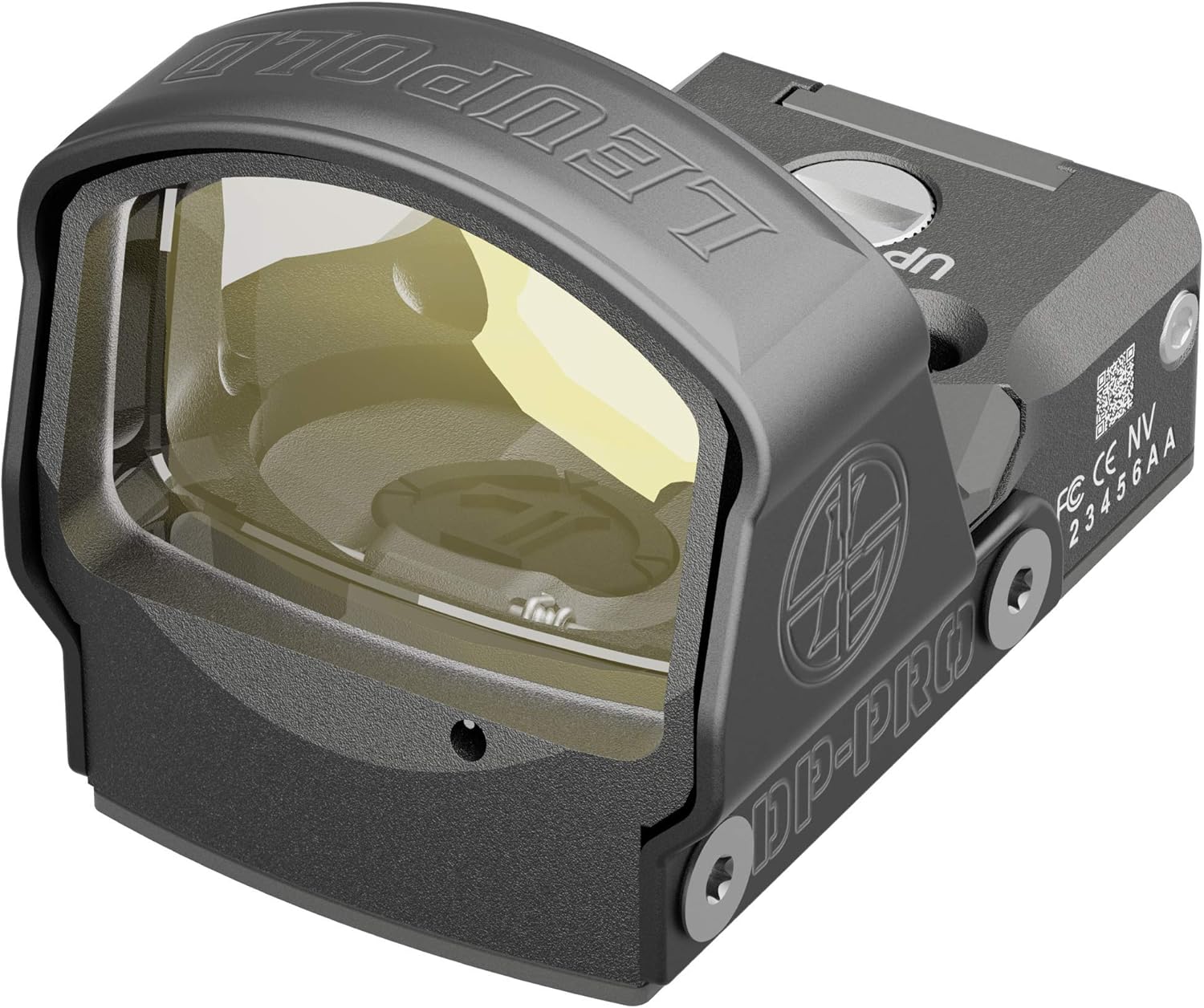
A premium optic with a large window and excellent clarity, ideal for hunting applications.
Specs:
Footprint: DPP
Dot: 2.5 MOA
Battery: CR2032 top load
Pros:
Huge window
Excellent glass clarity
Durable build
Cons:
Expensive
Requires specific mounting plates
My hands-on notes:
Parallax is minimal and well-controlled. The large window reduces tracking issues under recoil. Co-witness is possible with certain setups. Button design is decent but less tactile than others.
What people say online:
Highly regarded among handgun hunters.
Mounting clarity:
Requires DPP-specific plates.
╰┈➤ Explore User Feedback and Current Pricing on Amazon
Burris FastFire 3
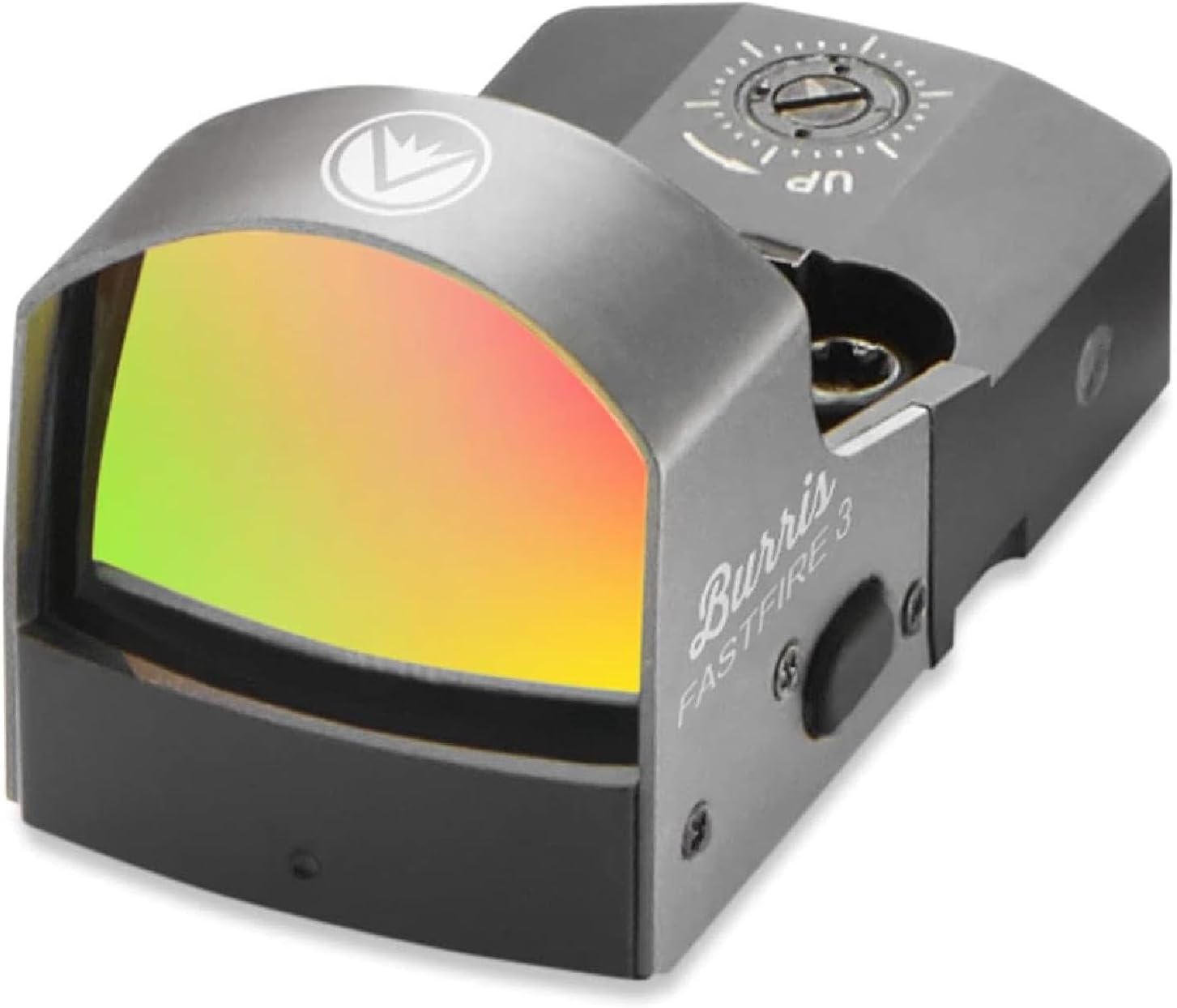
A lightweight and simple optic that still holds up decently on magnum platforms.
Specs:
Footprint: Docter
Dot: 3 MOA
Battery: CR1632
Pros:
Lightweight
Affordable
Simple controls
Cons:
Open emitter vulnerability
Limited durability vs premium optics
My hands-on notes:
Parallax is noticeable at longer ranges. Co-witness is not typical on revolvers. The optic handles recoil better than expected but isn’t built for extreme abuse.
What people say online:
Widely used for entry-level handgun optics.
Mounting clarity:
Docter footprint compatibility.
╰┈➤ Explore User Feedback and Current Pricing on Amazon
How I Tested / Evaluation Criteria
Parallax:
I evaluated how much the point of impact shifted when the dot moved within the window. On .44 Mag, this matters because recoil exaggerates sight picture inconsistencies.
Co-witness / deck height:
Most revolver setups don’t allow traditional co-witness, but deck height still affects sight alignment and target acquisition.
Durability:
I tested recoil resistance over repeated firing cycles. Weak housings and loose battery caps fail quickly on .44 Mag.
Battery:
Top-load or side-load designs are preferred. Bottom-load batteries require re-zeroing—unacceptable for hunting setups.
Brightness range:
I checked visibility in bright daylight and low light. Some optics wash out under direct sun.
Glass quality:
Lens tint, distortion, and clarity all affect target acquisition. Blue tint is common but varies in severity.
Controls ergonomics:
Button feel with gloves matters. Small or mushy buttons are a real issue in field conditions.
Mounting ecosystem:
Compatibility with RMR, Docter, or Picatinny systems determines how easy installation is.
How to Choose the Right Red Dot for This Gun
Choosing a red dot for a .44 Magnum is very different from picking one for a 9mm pistol. The recoil impulse is significantly sharper and more violent, which stresses every component of the optic. The first thing I look at is durability—specifically whether the optic has a proven track record on magnum revolvers or heavy-recoiling firearms. Not all “handgun-rated” optics can handle this.
Next is footprint compatibility. Many revolvers use specialized mounting plates, and not all footprints are equally supported. RMR is the most versatile, followed by Docter and DPP. If you’re running a carbine, Picatinny-mounted optics like the Aimpoint Micro series make more sense.
Window size is another major factor. Larger windows like the DeltaPoint Pro make it easier to track the dot under recoil, especially for hunting. However, larger windows often mean more exposed emitters, which can be affected by debris.
Battery design is critical. I strongly prefer side or top-loading batteries for this platform. Re-zeroing after every battery change is not practical in the field.
Finally, consider your use case. If you’re hunting, prioritize durability and clarity. If you’re shooting recreationally, you can get away with more budget-friendly options—but understand their limitations.
FAQs
1. Can a pistol red dot handle .44 Magnum recoil?
Only certain models can. Look for proven durability like the RMR or Aimpoint.
2. What footprint is best for .44 Mag?
RMR is the most widely supported across mounting systems.
3. Do I need an enclosed emitter?
Not required, but helpful in harsh environments.
4. Is parallax a big issue?
At close range, not much—but it increases at distance.
5. Are budget optics worth it?
They can work, but durability is the main tradeoff.
Conclusion
Finding the Best Red Dot For 44 Mag comes down to durability, mounting compatibility, and real-world usability—not just specs. The optics I’ve covered here have either proven themselves under heavy recoil or offer strong value with known limitations. If you’re serious about reliability, invest in a model with a solid track record, because .44 Magnum will quickly expose anything less.