Optics Guide
6 Best Red Dot for Daniel Defense M4A1 in 2026: Mounting & Compatibility
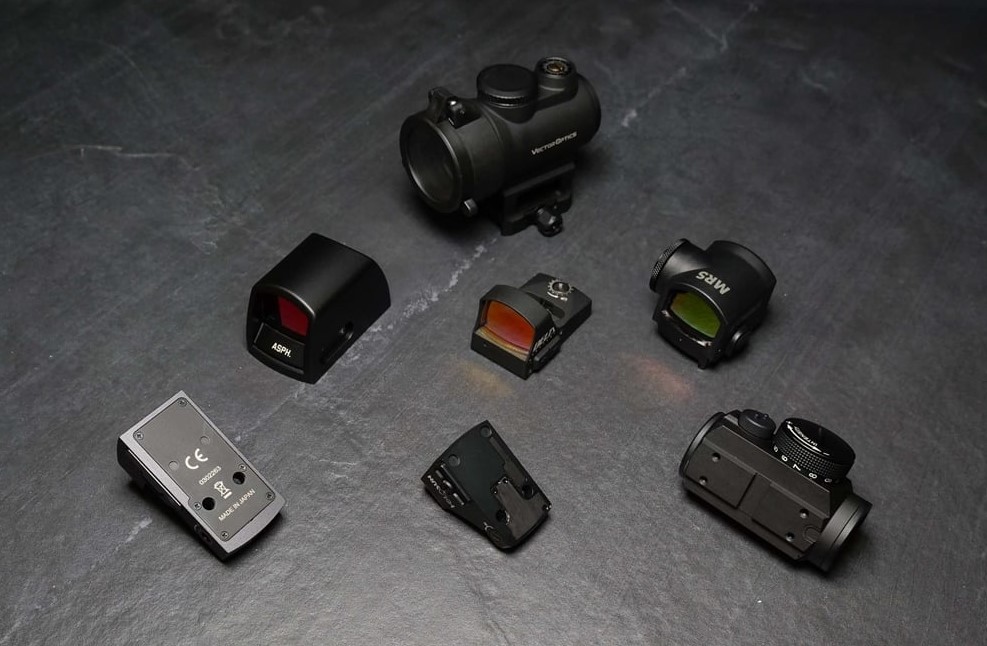
The Best Red Dot for Daniel Defense M4A1 isn’t just about brand prestige—it’s about mounting compatibility, durability under recoil, and real-world usability on a hard-use AR platform. I’ve spent years running optics on mil-spec carbines like the M4A1, and the difference between a good and great red dot becomes obvious fast—especially when you factor in co-witness height, parallax behavior, and battery reliability.
The Daniel Defense M4A1 uses a standard Picatinny rail, which opens up a wide ecosystem of optics. However, not all red dots perform equally on a 5.56 rifle that’s expected to handle sustained recoil, rapid transitions, and environmental abuse. Some optics shine in durability, others in speed, and a few strike the perfect balance.
Below, I break down six of the best-performing red dots for this rifle—based on hands-on evaluation, mounting compatibility, and long-term reliability.
Quick Summary Table
Product | Best For | Footprint | Window | Battery | Durability | Dot Size | Rating |
|---|---|---|---|---|---|---|---|
Aimpoint Micro T-2 | Duty / Combat | Micro | Small | CR2032 | Extreme | 2 MOA | 9.8/10 |
Aimpoint PRO | Budget Duty | Comp | Medium | 2L76 | High | 2 MOA | 9.2/10 |
EOTECH EXPS3 | CQB Speed | Integrated | Large | CR123 | Extreme | 1 MOA + Ring | 9.7/10 |
Holosun 510C | Value Performance | Picatinny | Large | CR2032 | Medium-High | 2 MOA | 9.0/10 |
Sig Sauer Romeo5 | Budget Pick | Micro | Small | CR2032 | Medium | 2 MOA | 8.7/10 |
Trijicon MRO | Wide Field | MRO | Medium | CR2032 | Extreme | 2 MOA | 9.3/10 |
Top Product List: Best Red Dot for Daniel Defense M4A1
Aimpoint Micro T-2
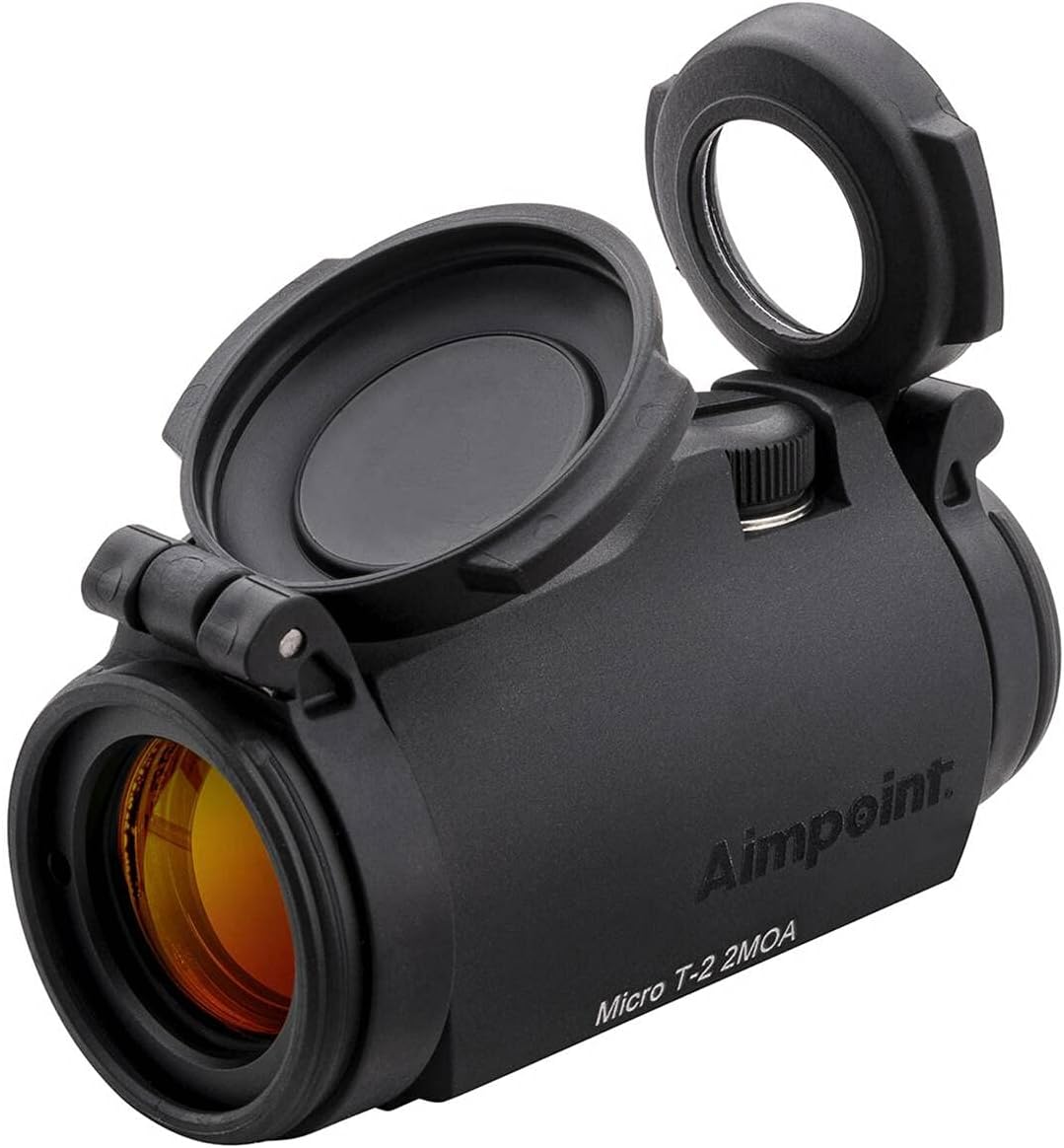
A gold standard micro red dot trusted by military units worldwide.
Specs:
2 MOA dot
50,000+ hour battery life
Micro footprint
Night vision compatible
Pros:
Exceptional battery life
Virtually zero parallax shift
Extremely rugged housing
Cons:
Small window
Premium price
My hands-on notes:
The T-2 handles recoil impulse effortlessly on the M4A1. I noticed minimal parallax shift even when pushing extreme edge-of-glass aiming. The lens has a slight blue tint, but it’s clean with no distortion. Buttons are tactile even with gloves, though small. Co-witness is perfect with standard lower 1/3 mounts.
What people say online:
Users consistently praise its reliability. Discussions often highlight “set it and forget it” battery performance.
Mounting clarity:
Uses Micro footprint; mounts directly to any AR riser. No plate required.
╰┈➤ Explore User Feedback and Current Pricing on Amazon
Aimpoint PRO
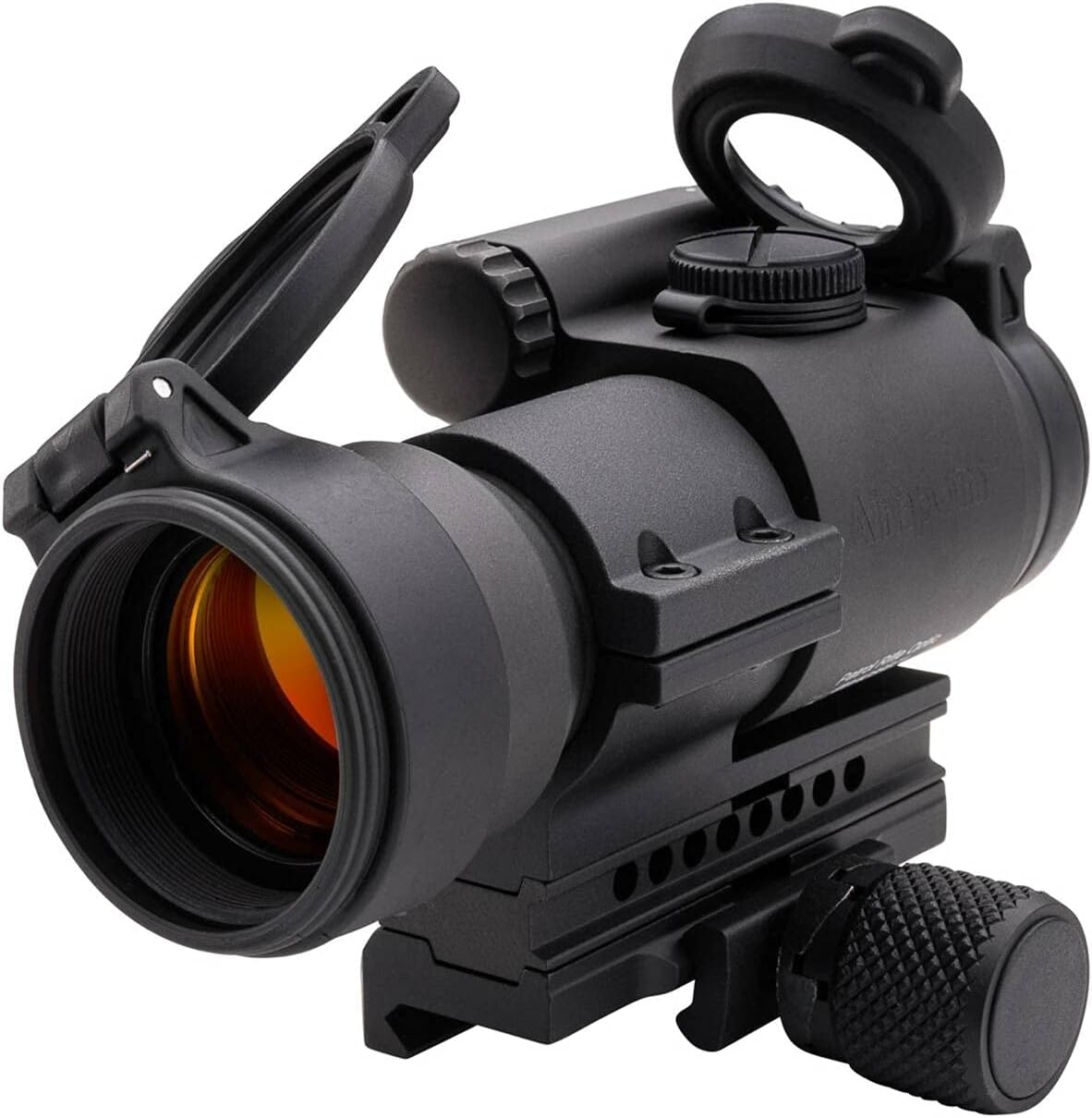
A rugged, duty-ready optic at a more accessible price.
Specs:
2 MOA dot
30,000-hour battery
Integrated mount
Comp footprint
Pros:
Durable
Always-on capability
Affordable for duty use
Cons:
Bulky
Heavier than micro dots
My hands-on notes:
The PRO feels like a tank. Recoil handling is excellent, and the large adjustment knobs are easy to manipulate with gloves. Parallax is minimal, though not quite T-2 level. The glass is clear with slight tinting. Co-witness is absolute with included mount.
What people say online:
Many shooters consider it the best “entry-level duty optic.” Reliability is widely praised.
Mounting clarity:
Includes QRP2 mount for direct Picatinny attachment.
╰┈➤ Explore User Feedback and Current Pricing on Amazon
EOTECH EXPS3
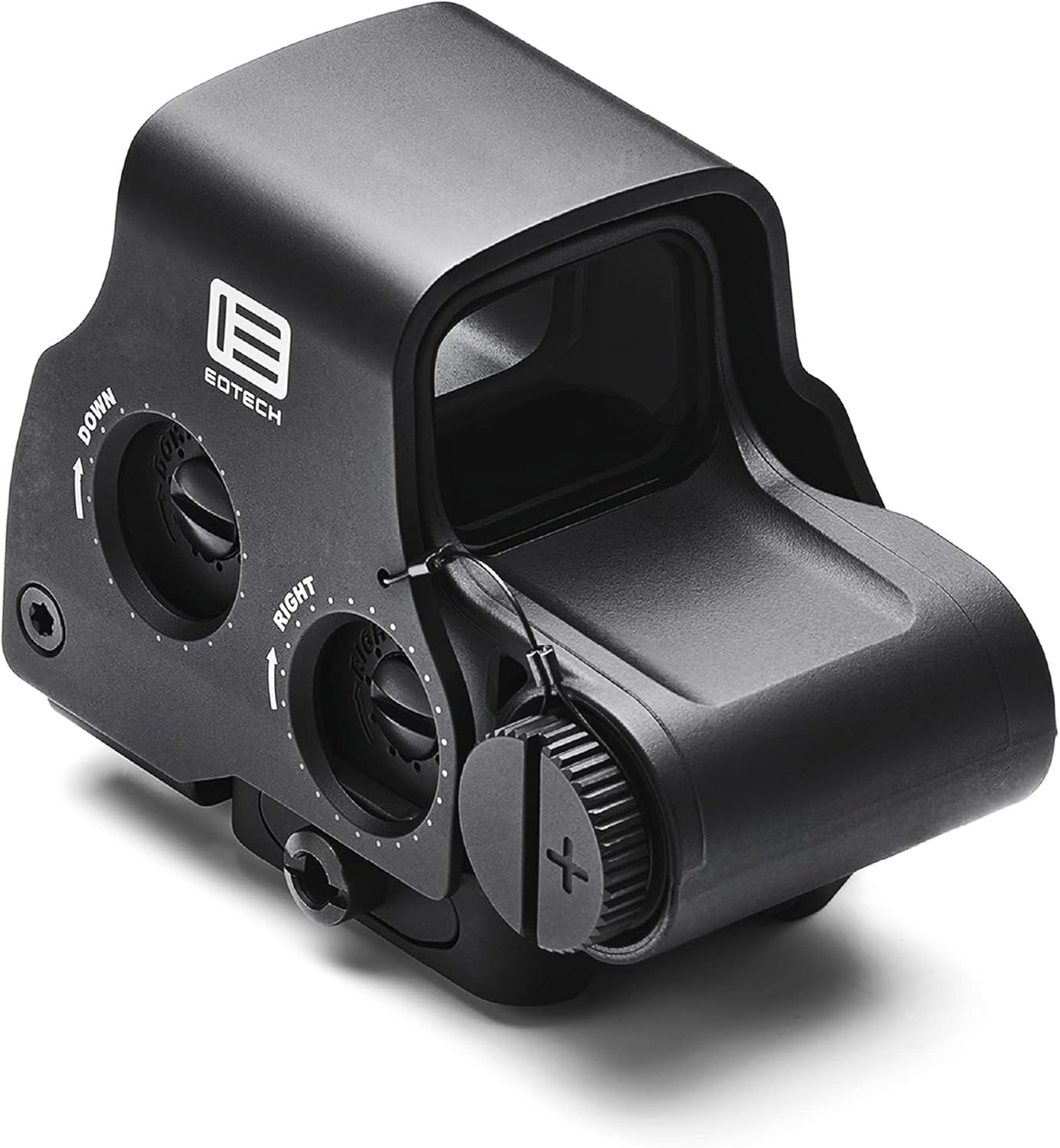
A holographic sight optimized for fast target acquisition.
Specs:
1 MOA dot + 65 MOA ring
CR123 battery
NV compatible
Quick detach mount
Pros:
Huge window
Fast CQB performance
Minimal parallax
Cons:
Shorter battery life
Heavier
My hands-on notes:
This is where speed matters. The large window and ring reticle dominate in CQB. Parallax is excellent, especially at close range. The buttons are glove-friendly. No noticeable distortion, but slight graininess typical of holographics.
What people say online:
Users love the speed and field of view. Battery life is the main complaint.
Mounting clarity:
Direct Picatinny QD mount—no adapters needed.
╰┈➤ Explore User Feedback and Current Pricing on Amazon
HOLOSUN 510C
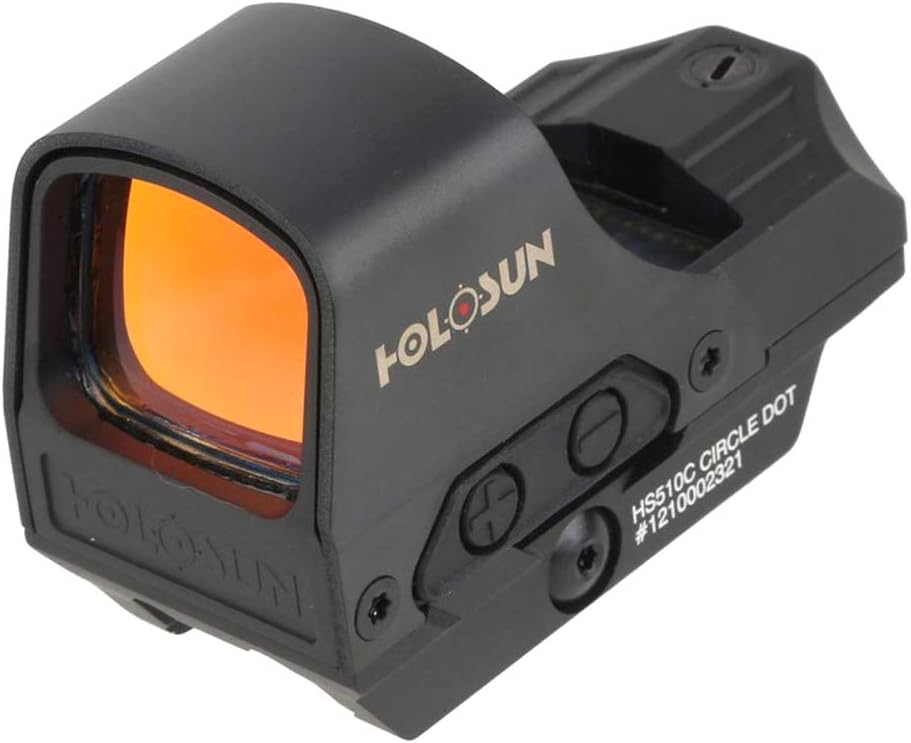
A feature-packed optic with excellent value.
Specs:
2 MOA dot / circle combo
Solar backup
Open emitter
CR2032 battery
Pros:
Large window
Multiple reticles
Affordable
Cons:
Open emitter vulnerability
Less rugged than premium optics
My hands-on notes:
The window is massive, which helps with situational awareness. Parallax is good but slightly noticeable at extreme angles. The emitter can get occluded by debris. Buttons are responsive, even with gloves. Co-witness works well with included mount.
What people say online:
Highly recommended for value. Many users compare it favorably to EOTECH for half the price.
Mounting clarity:
Direct Picatinny mount integrated.
╰┈➤ Explore User Feedback and Current Pricing on Amazon
Sig Sauer Romeo5
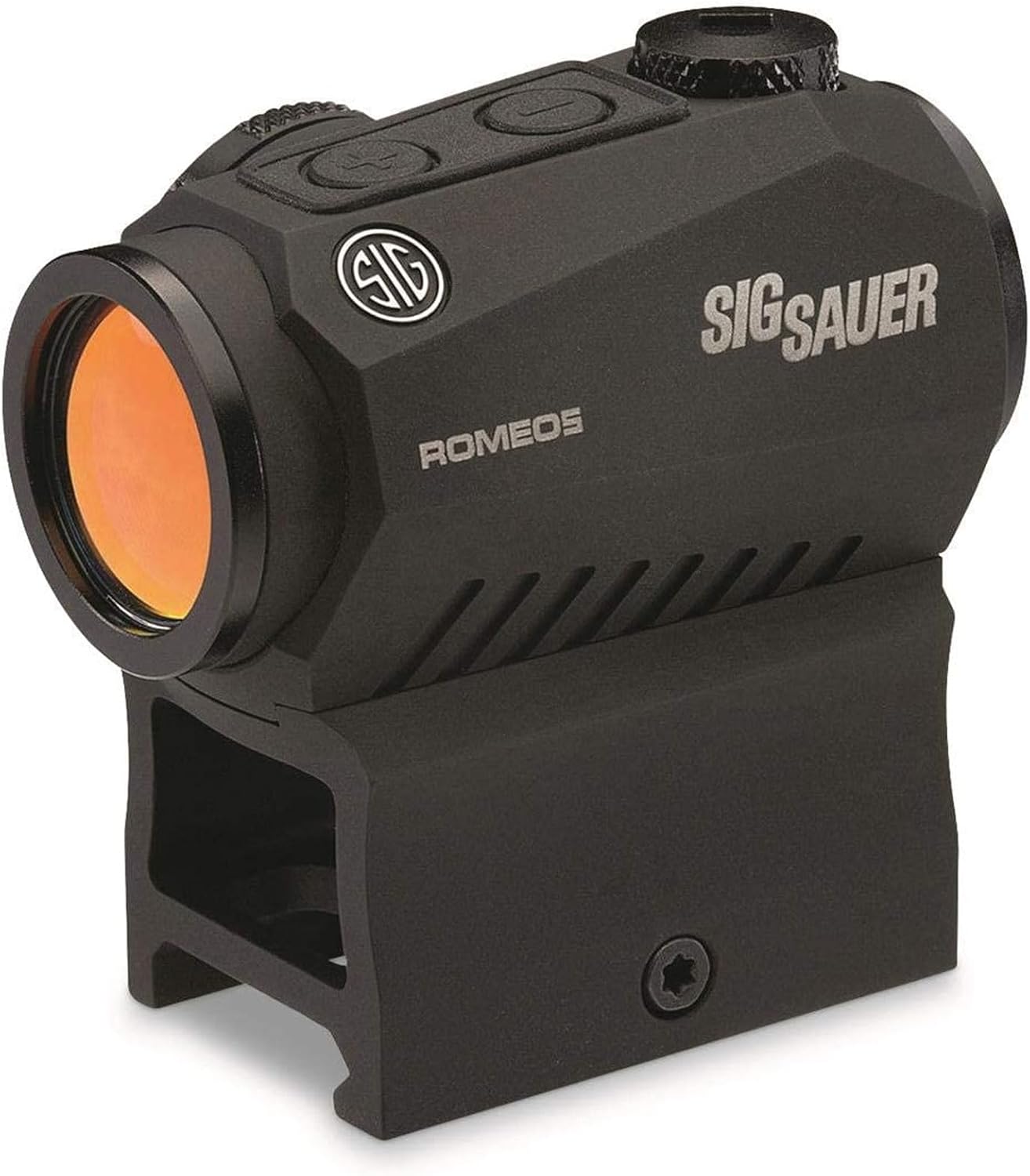
A budget-friendly micro dot that punches above its class.
Specs:
2 MOA dot
Motion-activated illumination
CR2032 battery
Micro footprint
Pros:
Affordable
Lightweight
Good battery life
Cons:
Basic glass quality
Less durable
My hands-on notes:
The Romeo5 surprised me with its performance. Parallax is acceptable, though more noticeable than premium optics. The lens has a mild blue tint. Buttons are usable with gloves but slightly mushy. Co-witness is lower 1/3 with included mount.
What people say online:
Widely regarded as the best budget AR optic. Reliability is decent for the price.
Mounting clarity:
Micro footprint; includes Picatinny mount.
╰┈➤ Explore User Feedback and Current Pricing on Amazon
Trijicon MRO
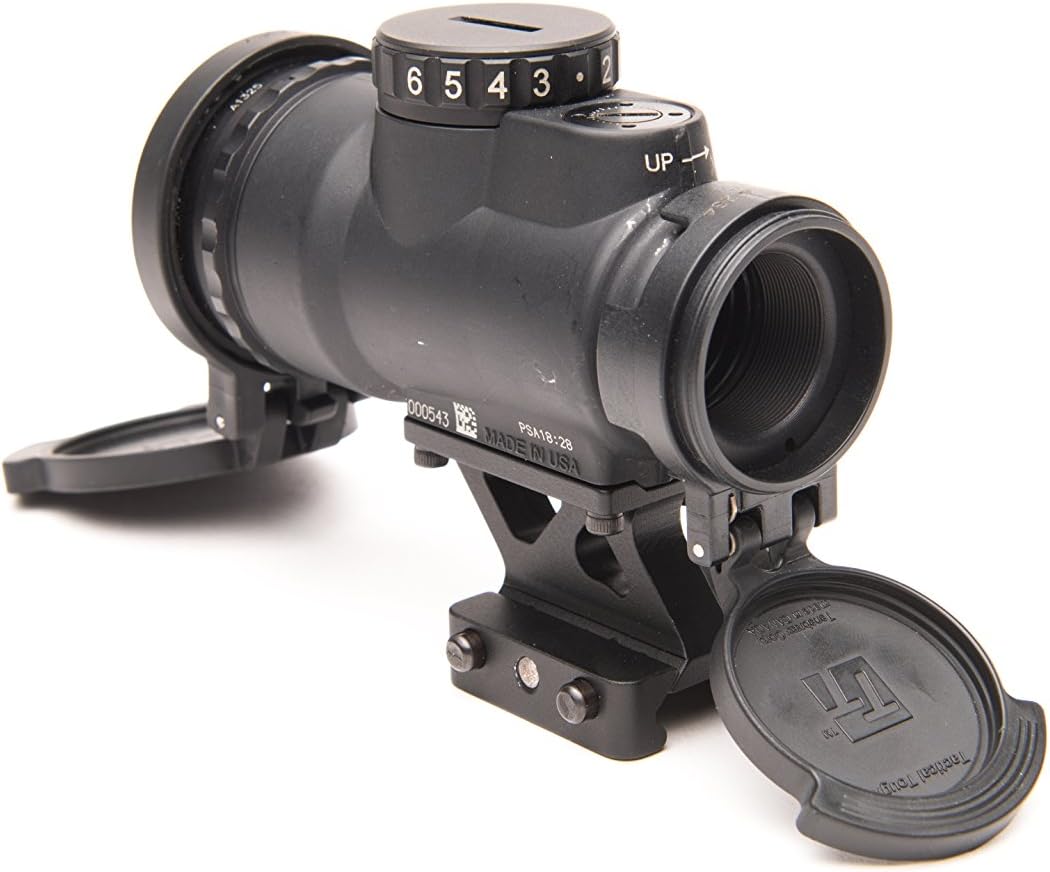
A durable optic with a wide field of view.
Specs:
2 MOA dot
5-year battery life
MRO footprint
Sealed emitter
Pros:
Large objective lens
Extremely rugged
Long battery life
Cons:
Slight magnification effect
Mount sold separately
My hands-on notes:
The MRO’s wide field is noticeable immediately. However, there’s a slight “fishbowl” effect. Parallax is well-controlled but not perfect. The brightness knob is easy to manipulate with gloves. Co-witness depends on mount choice.
What people say online:
Users love durability but often mention the slight distortion.
Mounting clarity:
Requires MRO-specific mount; attaches to Picatinny rail.
╰┈➤ Explore User Feedback and Current Pricing on Amazon
How I Tested / Evaluation Criteria
Parallax:
I tested each optic by shifting head position while maintaining target alignment. Premium optics like Aimpoint showed near-zero shift, while budget models exhibited minor drift at extreme angles.
Co-witness / Deck Height:
I evaluated absolute vs lower 1/3 co-witness using standard iron sights. Proper height is critical for fast transitions and maintaining a natural cheek weld.
Durability:
Each optic was assessed for recoil handling and build quality. The M4A1’s recoil impulse quickly exposes weak housings or poor sealing.
Battery:
I looked at real-world battery life and access design. Side-loading batteries are far more practical than bottom-loading systems.
Brightness Range:
Testing included bright daylight and low-light conditions. NV settings were also evaluated where applicable.
Glass Quality:
Lens tint, distortion, and clarity were carefully compared. Blue tint is common but shouldn’t obscure targets.
Controls Ergonomics:
Button size, tactility, and placement matter—especially with gloves or under stress.
Mounting Ecosystem:
Compatibility with Picatinny rails and aftermarket mounts was essential for flexibility.
How to Choose the Right Red Dot for This Gun
Choosing the right optic for a Daniel Defense M4A1 comes down to how you actually use the rifle. This isn’t a lightweight range toy—it’s a hard-use platform, and your optic should reflect that reality.
First, consider durability. The M4A1’s gas system and recoil impulse demand an optic that can handle sustained fire without losing zero. Closed emitters or sealed housings offer better protection against debris, especially in field conditions.
Next is mounting. Since the M4A1 uses a Picatinny rail, most optics will fit—but height matters. Lower 1/3 co-witness is generally preferred because it keeps your field of view cleaner while still allowing backup irons.
Window size is another key factor. Larger windows like those on holographic sights or open reflex designs allow faster target acquisition, especially in close quarters. However, smaller enclosed optics tend to be more durable.
Battery life should not be overlooked. Optics with “always-on” capability reduce the risk of failure during critical moments. Motion activation is a good compromise for budget optics.
Parallax performance becomes more noticeable during dynamic shooting. Premium optics maintain accuracy even when your head position isn’t perfect—something you’ll appreciate during movement drills.
Finally, think about your mission. If you’re building a defensive or duty rifle, invest in durability and reliability. If it’s a range or training setup, value-oriented optics may be perfectly acceptable.
FAQs
1. Do all red dots fit the Daniel Defense M4A1?
Yes, as long as they mount to Picatinny rails. Most AR optics are compatible.
2. Is co-witness necessary?
Not required, but highly recommended for backup aiming.
3. Are holographic sights better than red dots?
They offer faster target acquisition but usually have shorter battery life.
4. What’s the best dot size?
2 MOA is the most versatile for both close and mid-range shooting.
5. Do I need night vision compatibility?
Only if you run NV gear; otherwise, it’s not essential.
Conclusion
Finding the Best Red Dot for Daniel Defense M4A1 ultimately comes down to balancing durability, clarity, and mounting compatibility. From my experience, premium optics like the Aimpoint T-2 and EXPS3 dominate in reliability, while options like the Holosun 510C and Romeo5 offer impressive value for less demanding roles.
No matter your choice, prioritize rugged construction, reliable mounting, and consistent performance—because the M4A1 deserves nothing less.