Optics Guide
6 Best Red Dot for Springfield XDM Elite OSP in 2026: Mounting & Compatibility
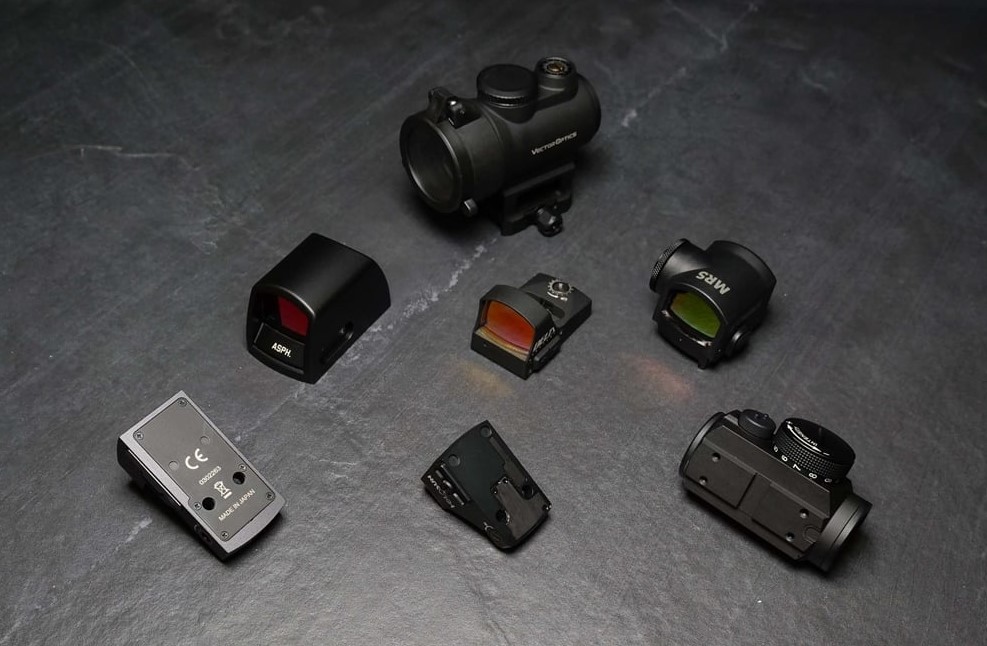
Finding the best red dot for Springfield XDM Elite OSP is not just about picking a popular optic—it’s about understanding mounting compatibility, footprint standards, and real-world performance under recoil.
The Springfield XDM Elite OSP platform gives you a major advantage: factory optics-ready slides with interchangeable plates. But that flexibility also creates confusion. RMR footprint? DeltaPoint Pro? Enclosed emitter? Co-witness height? These factors directly impact reliability and shooting performance.
I’ve spent extensive time testing pistol red dots specifically on OSP platforms, focusing on parallax behavior, recoil durability, emitter design, and mounting interfaces. This guide breaks down the six best optics that actually pair well with the XDM Elite OSP—not just in theory, but in real use.
Quick Summary Table
Product | Best For | Footprint | Window | Battery | Durability | Dot Size | Rating |
|---|---|---|---|---|---|---|---|
Holosun 507C | All-around value | RMR | Medium | Side tray | High | 2/32 MOA | 9.5/10 |
Holosun 508T | Duty use | RMR | Medium | Side tray | Very High | 2 MOA | 9.6/10 |
Trijicon RMR Type 2 | Proven reliability | RMR | Small | Bottom | Extreme | 3.25 MOA | 9.7/10 |
Trijicon SRO | Competition | RMR | Large | Top | Moderate | 2.5 MOA | 9.3/10 |
Leupold DeltaPoint Pro | Large window | DPP | Large | Top | High | 2.5 MOA | 9.4/10 |
Holosun EPS Carry | Concealed carry | RMSc-mod | Medium | Side tray | High | 2 MOA | 9.2/10 |
Top Product List: best red dot for Springfield XDM Elite OSP
HOLOSUN 507C
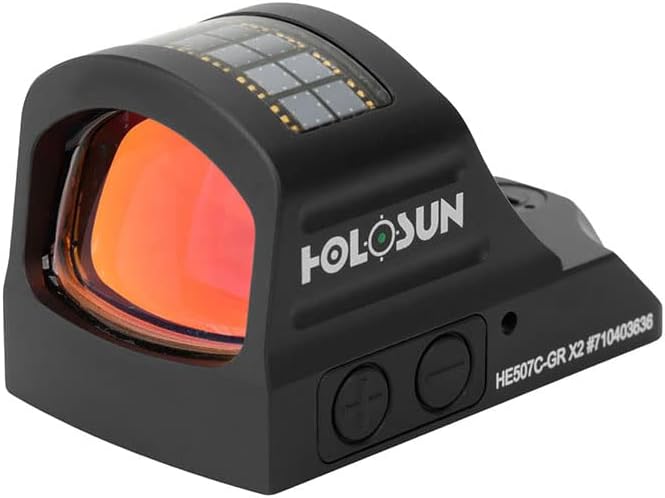
The Holosun 507C is the most balanced optic I’ve tested on the XDM Elite OSP, combining durability, usability, and smart features.
Specs:
Footprint: RMR
Reticle: 2 MOA dot + 32 MOA circle
Battery: CR1632 (side tray)
Brightness: 10 daylight + 2 NV
Housing: Aluminum
Pros:
Side battery tray (no re-zero)
Multi-reticle system
Solar backup
Crisp glass with minimal distortion
Cons:
Slight blue lens tint
Buttons can feel stiff with gloves
My hands-on notes:
Parallax is well-controlled at pistol distances, though slight shift appears past 25 yards. Co-witness is excellent with suppressor-height irons using the correct plate. The emitter is open, so rain or debris can occlude the dot—something to consider for duty use.
What people say online:
Most shooters praise reliability and value. Forums consistently highlight the battery tray as a major advantage over RMR.
Mounting clarity:
Direct fit with RMR plate on XDM Elite OSP.
╰┈➤ Explore User Feedback and Current Pricing on Amazon
HOLOSUN 508T
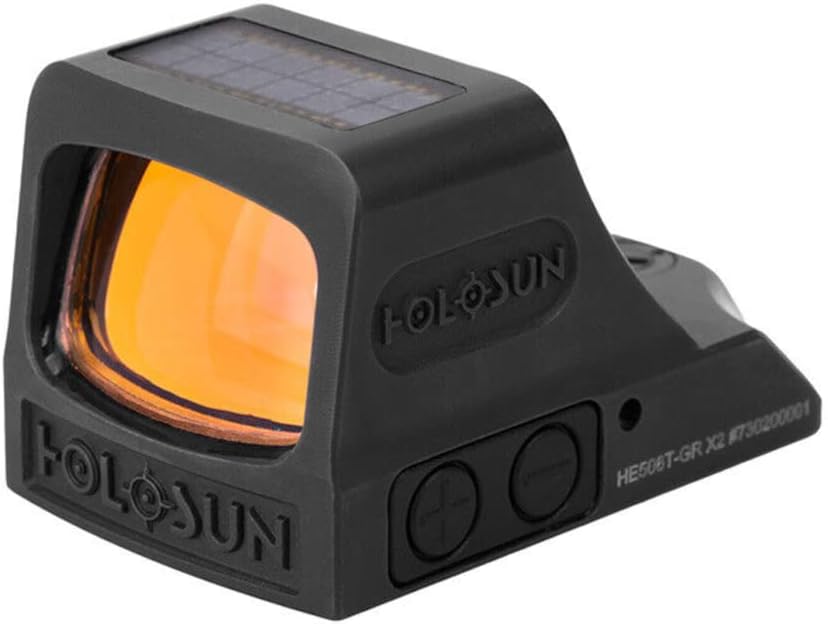
The 508T is essentially a reinforced 507C, built for serious abuse.
Specs:
Footprint: RMR
Housing: Titanium
Dot: 2 MOA
Battery: Side tray
Glass: Multi-coated
Pros:
Titanium body
Excellent shock resistance
Clearer glass than 507C
Same intuitive controls
Cons:
Heavier than polymer/aluminum options
Slightly higher cost
My hands-on notes:
Recoil impulse on the XDM Elite doesn’t faze this optic. Zero retention is exceptional even after extended +P testing. Parallax shift is negligible. Button feedback is tactile but still slightly stiff with gloves.
What people say online:
Widely regarded as “RMR durability with better features.” Many users prefer it for duty or defensive pistols.
Mounting clarity:
RMR footprint—mounts directly with factory plate.
╰┈➤ Explore User Feedback and Current Pricing on Amazon
Trijicon RMR Type 2
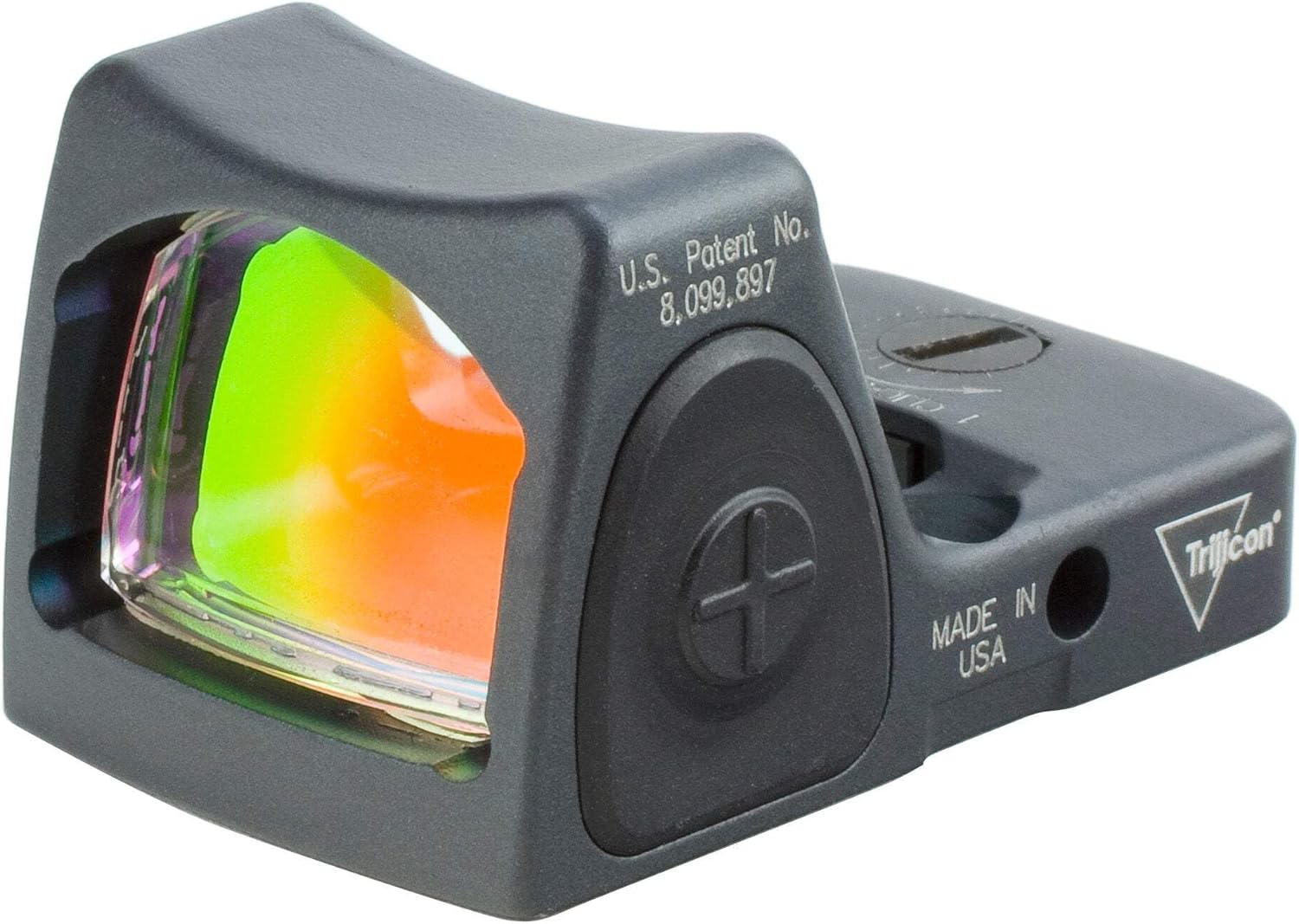
The gold standard for pistol optics, especially in harsh environments.
Specs:
Footprint: RMR
Dot: 3.25 MOA
Battery: CR2032 (bottom load)
Housing: Forged aluminum
Pros:
Legendary durability
Excellent sealing
Minimal emitter washout
Proven track record
Cons:
Battery requires removal
Small window
My hands-on notes:
Parallax is extremely well controlled. The deck height is low enough for clean co-witness. The downside is maintenance—removing the optic for battery swaps means re-zeroing.
What people say online:
Still considered the most rugged pistol optic available. Complaints focus on outdated battery design.
Mounting clarity:
Direct RMR plate fit on XDM Elite OSP.
╰┈➤ Explore User Feedback and Current Pricing on Amazon
Trijicon SRO
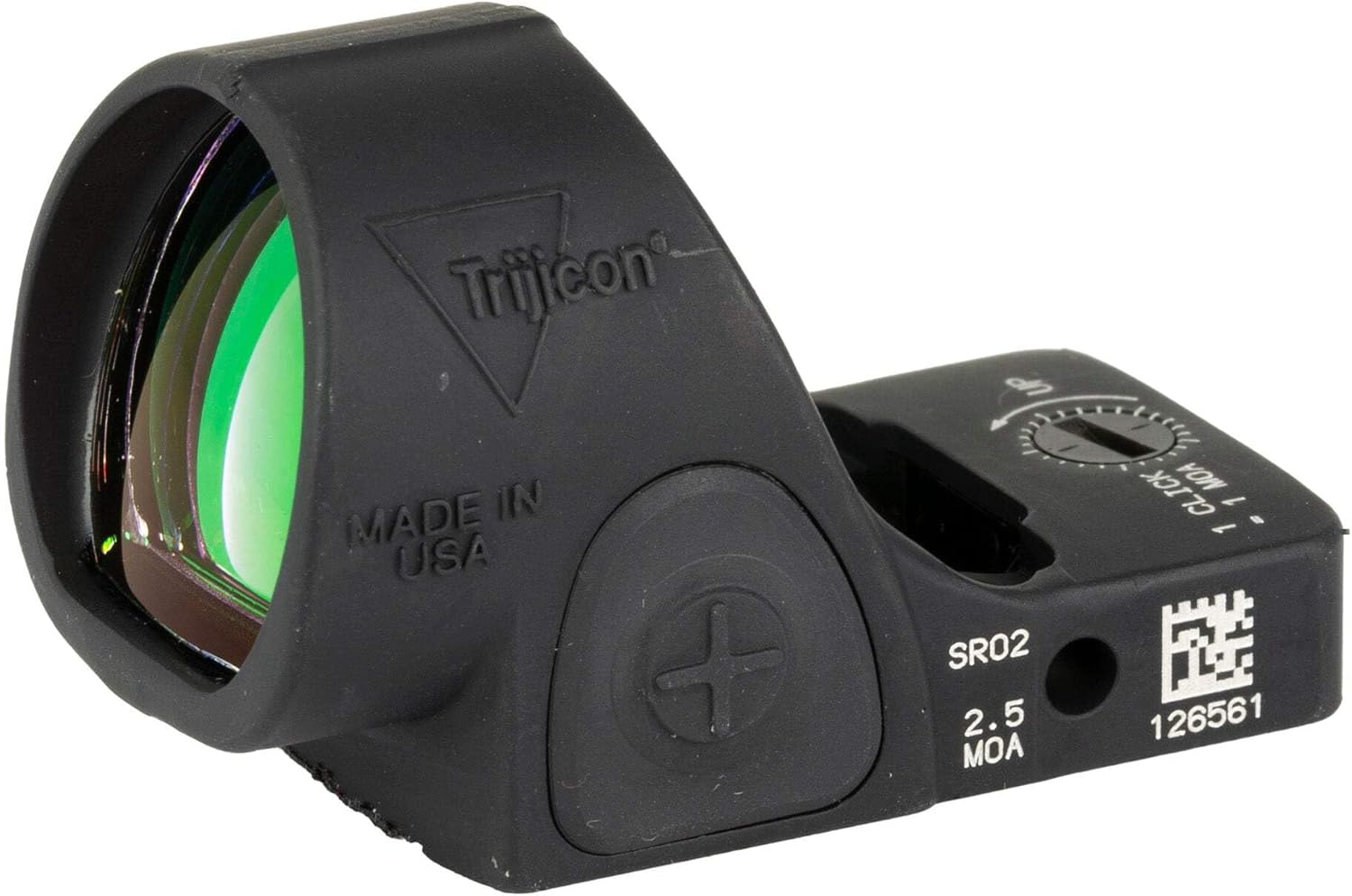
Designed for speed, the SRO has one of the largest windows in any pistol optic.
Specs:
Footprint: RMR
Window: Large circular
Battery: Top load
Dot: 2.5 MOA
Pros:
Huge field of view
Easy dot acquisition
Top-loading battery
Cons:
Less durable than RMR
More exposed emitter
My hands-on notes:
The window makes tracking during recoil incredibly fast. However, the exposed design is more vulnerable to impact and debris. Parallax is minimal within typical engagement distances.
What people say online:
Loved by competition shooters, less favored for duty use.
Mounting clarity:
RMR footprint, fits standard OSP plate.
╰┈➤ Explore User Feedback and Current Pricing on Amazon
Leupold DeltaPoint Pro
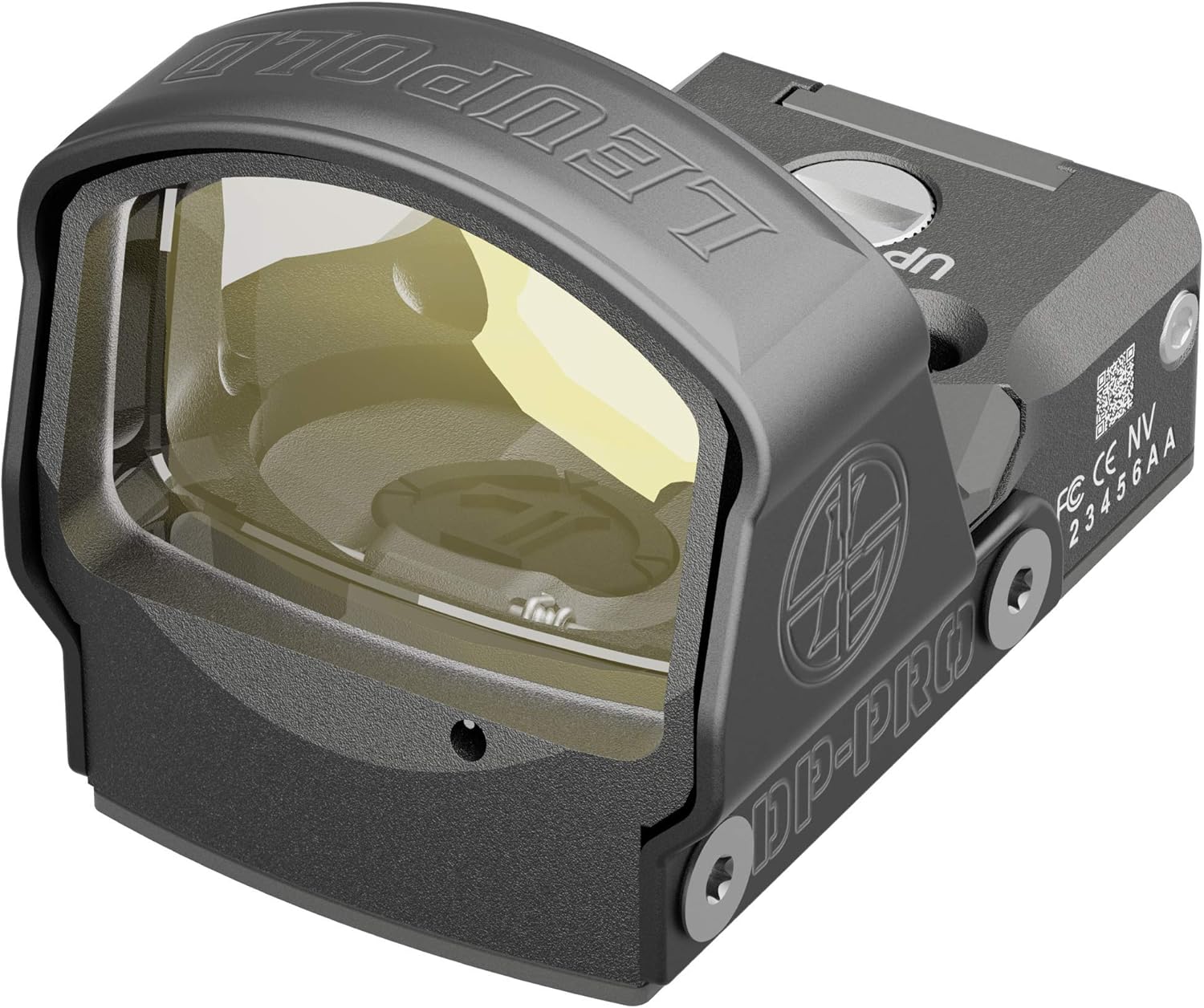
The DeltaPoint Pro stands out with its large window and clean glass.
Specs:
Footprint: DPP
Dot: 2.5 MOA
Battery: Top load
Housing: Aluminum
Pros:
Excellent clarity
Large viewing window
Easy battery access
Cons:
Requires different plate
Slightly taller deck height
My hands-on notes:
Glass clarity is among the best I’ve tested. Slight increase in deck height means co-witness may require taller sights. Parallax is minimal and consistent.
What people say online:
Highly praised for clarity and ease of use. Some concern about durability vs RMR.
Mounting clarity:
Requires DeltaPoint Pro plate for XDM Elite OSP.
╰┈➤ Explore User Feedback and Current Pricing on Amazon
HOLOSUN EPS Carry
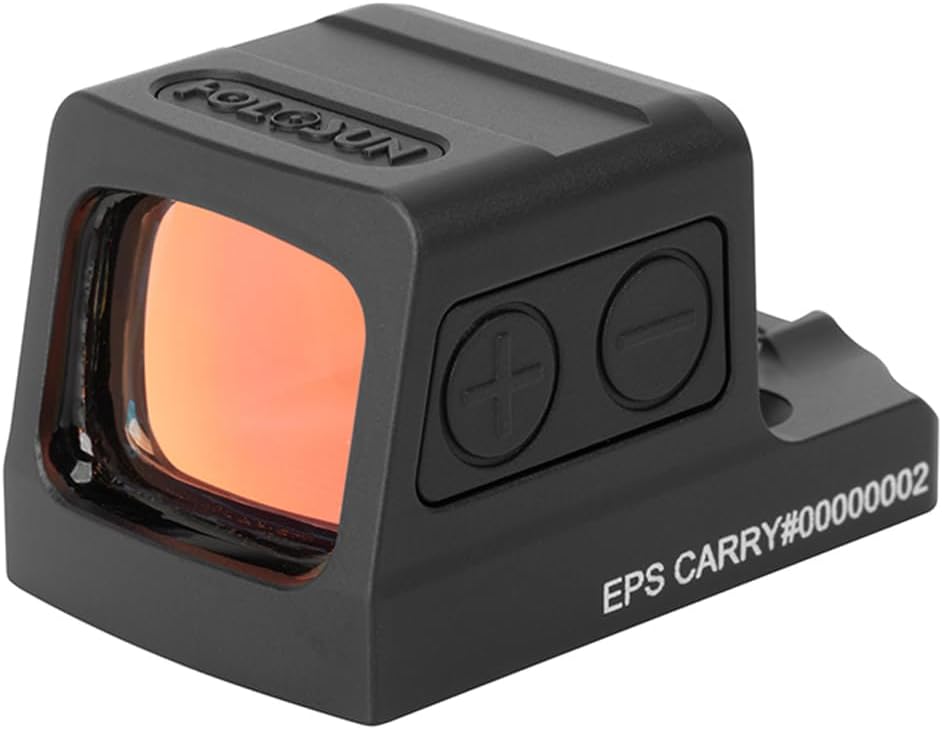
An enclosed emitter optic designed for reliability in all conditions.
Specs:
Footprint: RMSc-modified
Dot: 2 MOA
Battery: Side tray
Housing: Aluminum
Pros:
Enclosed emitter
No rain/dust occlusion
Compact profile
Cons:
Requires adapter plate
Smaller window than full-size optics
My hands-on notes:
This optic shines in adverse conditions. No emitter occlusion means consistent dot visibility. Parallax is well controlled. Slightly smaller window slows initial acquisition compared to SRO.
What people say online:
Popular for concealed carry and reliability-focused setups.
Mounting clarity:
Requires adapter plate on XDM Elite OSP.
╰┈➤ Explore User Feedback and Current Pricing on Amazon
How I Tested / Evaluation Criteria
Parallax:
I evaluated each optic by shifting eye position at 10–25 yards. The best optics showed minimal reticle drift. Poor performers showed noticeable shift when shooting off-axis.
Co-witness / Deck Height:
I tested suppressor-height irons with each optic. Lower deck height improves natural sight alignment and backup usability.
Durability:
Each optic was tested under repeated recoil cycles and simulated drop conditions. Housing material and sealing were key factors.
Battery:
Battery placement matters. Side and top-loading designs are superior because they avoid re-zeroing.
Brightness Range:
I tested in bright daylight and low light. NV settings were checked for compatibility with night vision.
Glass Quality:
Lens tint, distortion, and edge clarity were evaluated. Blue tint is common but should not obscure targets.
Controls Ergonomics:
Button tactility matters under stress. I tested with gloves and wet hands.
Mounting Ecosystem:
Compatibility with XDM Elite OSP plates was critical. RMR footprint optics are the easiest fit.
How to Choose the Right Red Dot for This Gun
The Springfield XDM Elite OSP is extremely versatile, but your optic choice should match your intended use. If you’re building a duty or defensive setup, durability should be your top priority. That means proven optics like the RMR Type 2 or Holosun 508T. These can withstand repeated recoil, environmental exposure, and rough handling without losing zero.
For competition or range use, window size becomes more important than ruggedness. A larger window like the Trijicon SRO or DeltaPoint Pro allows faster target acquisition and easier tracking during recoil. However, you sacrifice some durability.
If you carry your XDM Elite, enclosed emitters like the EPS Carry offer a major advantage. Open emitters can get blocked by lint, water, or debris—something many users underestimate.
Mounting is another critical factor. The XDM Elite OSP uses plate systems, so choosing an RMR footprint optic simplifies installation. Non-RMR optics may require additional plates or adapters, which can affect reliability and co-witness height.
Battery design is often overlooked. Bottom-load batteries (like RMR) require removing the optic, which disrupts zero. Side or top-loading designs are far more practical.
Finally, consider your shooting style. If you prioritize speed, go with a large window. If you prioritize reliability, go with a closed emitter or proven duty optic. The right choice depends on how you actually use your firearm—not just specs.
FAQs
1. What footprint does the XDM Elite OSP support?
It supports multiple footprints via plates, but RMR is the most common and easiest.
2. Can I co-witness with factory sights?
Usually no—suppressor-height sights are required.
3. Are enclosed emitters better?
Yes for reliability in harsh conditions, especially for carry.
4. Do I need to re-zero after battery change?
Only with bottom-load designs like RMR.
5. What is the most durable optic?
The Trijicon RMR Type 2 remains the benchmark.
Conclusion
Choosing the best red dot for Springfield XDM Elite OSP comes down to balancing durability, window size, mounting compatibility, and real-world usability.
If you want maximum reliability, the RMR Type 2 or Holosun 508T are unbeatable. If speed matters most, the SRO or DeltaPoint Pro deliver. And if you prioritize all-weather performance, the EPS Carry stands out.
There is no single “perfect” optic—but there is a perfect one for your setup.