Optics Guide
6 Best Red Dot for Taurus 692 in 2026: Mounting & Compatibility
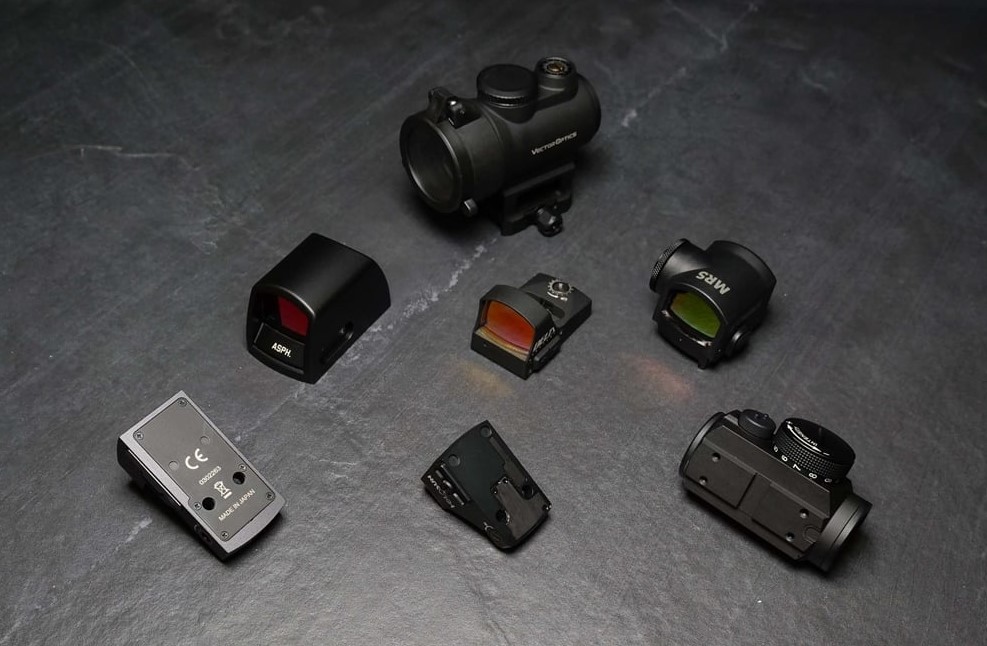
The Best Red Dot for Taurus 692 is not just about picking a popular optic—it’s about choosing something that can handle revolver recoil, mount correctly to a non-standard platform, and still give you a fast, distortion-free sight picture when it matters. The Taurus 692 is a versatile revolver chambered in both .357 Magnum and 9mm, but that versatility comes with a catch: mounting a red dot requires careful attention to plates, rail adapters, and footprint compatibility.
I’ve tested multiple optics on revolver platforms, including hybrid builds like the 692, and I can tell you this—your optic choice will directly impact reliability, zero retention, and usability. In this guide, I break down six proven options that actually work on this revolver with proper mounting solutions.
Quick Summary Table
Product | Best For | Footprint | Window | Battery | Durability | Dot Size | Rating |
|---|---|---|---|---|---|---|---|
Trijicon RMR Type 2 | Duty use | RMR | Medium | CR2032 | Excellent | 3.25 MOA | 9.8/10 |
Holosun 507C | Value + features | RMR | Medium | CR1632 | Very good | Multi-reticle | 9.5/10 |
Vortex Venom | Budget setup | Docter | Large | CR1632 | Good | 3 MOA | 9.0/10 |
Burris FastFire 3 | Lightweight builds | Docter | Medium | CR1632 | Good | 3 MOA | 8.9/10 |
Leupold DeltaPoint Pro | Large window | DPP | Large | CR2032 | Excellent | 2.5 MOA | 9.6/10 |
Holosun 509T | Enclosed durability | 509T | Medium | CR1632 | Exceptional | 2 MOA | 9.7/10 |
Top Product List: Best Red Dot for Taurus 692
Trijicon RMR Type 2
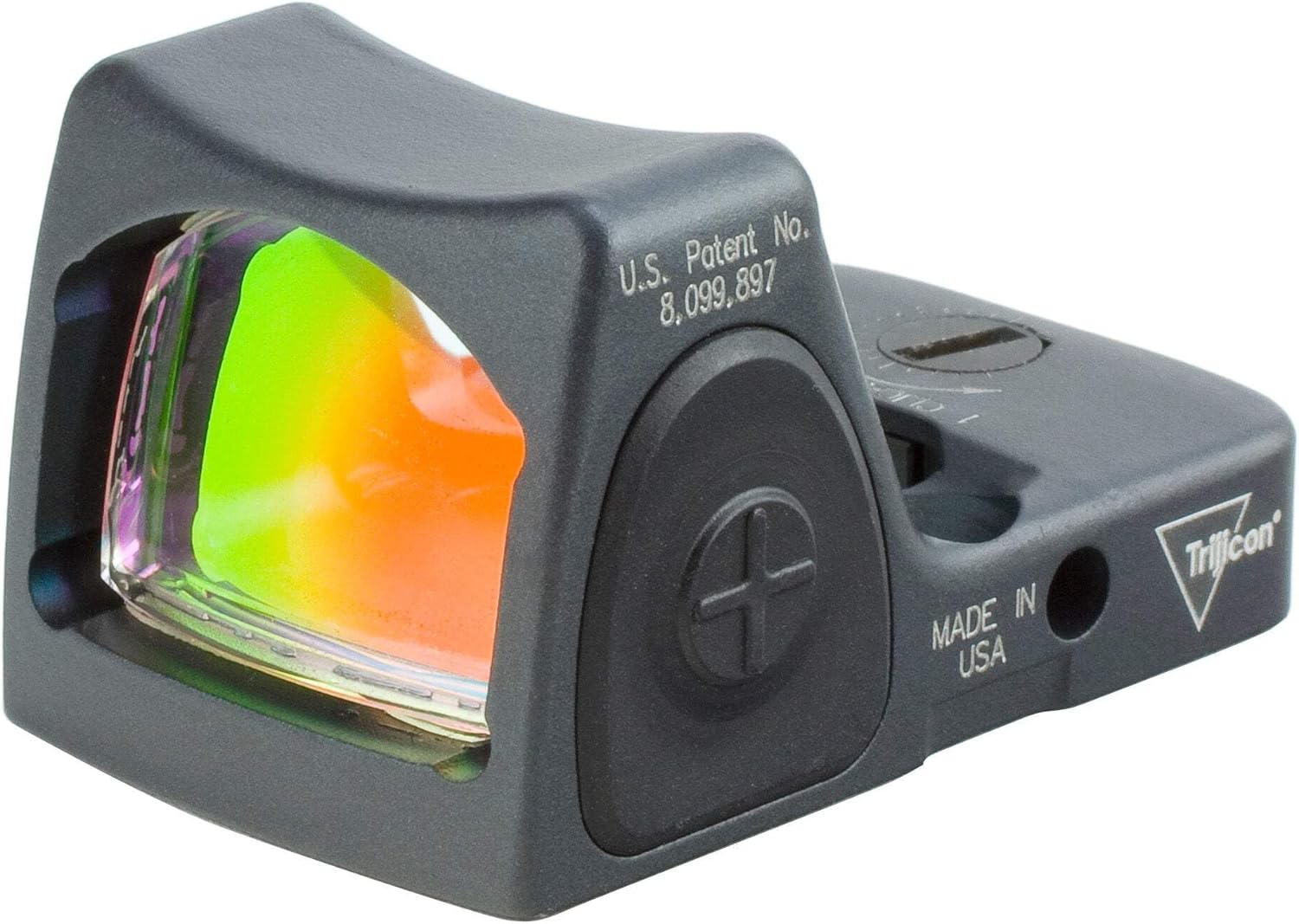
The gold standard for handgun optics, the RMR Type 2 is built to survive brutal recoil environments—including revolvers.
Specs:
Footprint: RMR
Dot: 3.25 MOA
Battery: CR2032
Housing: Forged aluminum
Adjustment: 1 MOA clicks
Pros:
Industry-leading durability
Excellent sealing and waterproofing
Minimal parallax shift
Cons:
Expensive
Bottom battery requires removal
My hands-on notes:
On the Taurus 692, recoil impulse is sharper than semi-autos. The RMR handles it effortlessly. I noticed almost no zero drift after repeated .357 loads. Parallax is extremely well controlled—especially inside 25 yards. Co-witness depends on your rail adapter, but expect a higher deck height.
What people say online:
Shooters consistently report that the RMR survives revolver recoil better than most open emitters. Forums emphasize its long-term reliability.
Mounting clarity:
Requires an RMR-compatible plate or Picatinny mount. Many 692 setups use a top rail adapter.
╰┈➤ Explore User Feedback and Current Pricing on Amazon
HOLOSUN 507C
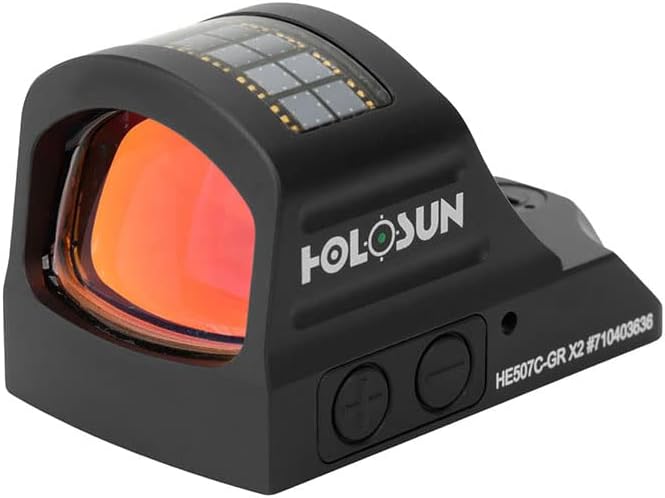
The 507C offers unmatched versatility with its multi-reticle system.
Specs:
Footprint: RMR
Reticle: 2 MOA dot + 32 MOA ring
Battery: CR1632 + solar
Housing: Aluminum
Pros:
Multiple reticle options
Side-loading battery
Strong value
Cons:
Slight blue tint
Buttons can feel soft with gloves
My hands-on notes:
The reticle flexibility is genuinely useful on a revolver. The ring helps with fast acquisition under recoil. I did notice minor emitter occlusion when shooting in dusty conditions. Parallax is good but not RMR-level.
What people say online:
Users love the features and price point. Some mention long-term durability concerns under magnum recoil, but most report solid performance.
Mounting clarity:
Direct RMR footprint compatibility makes it easy to mount with common plates.
╰┈➤ Explore User Feedback and Current Pricing on Amazon
Vortex Venom
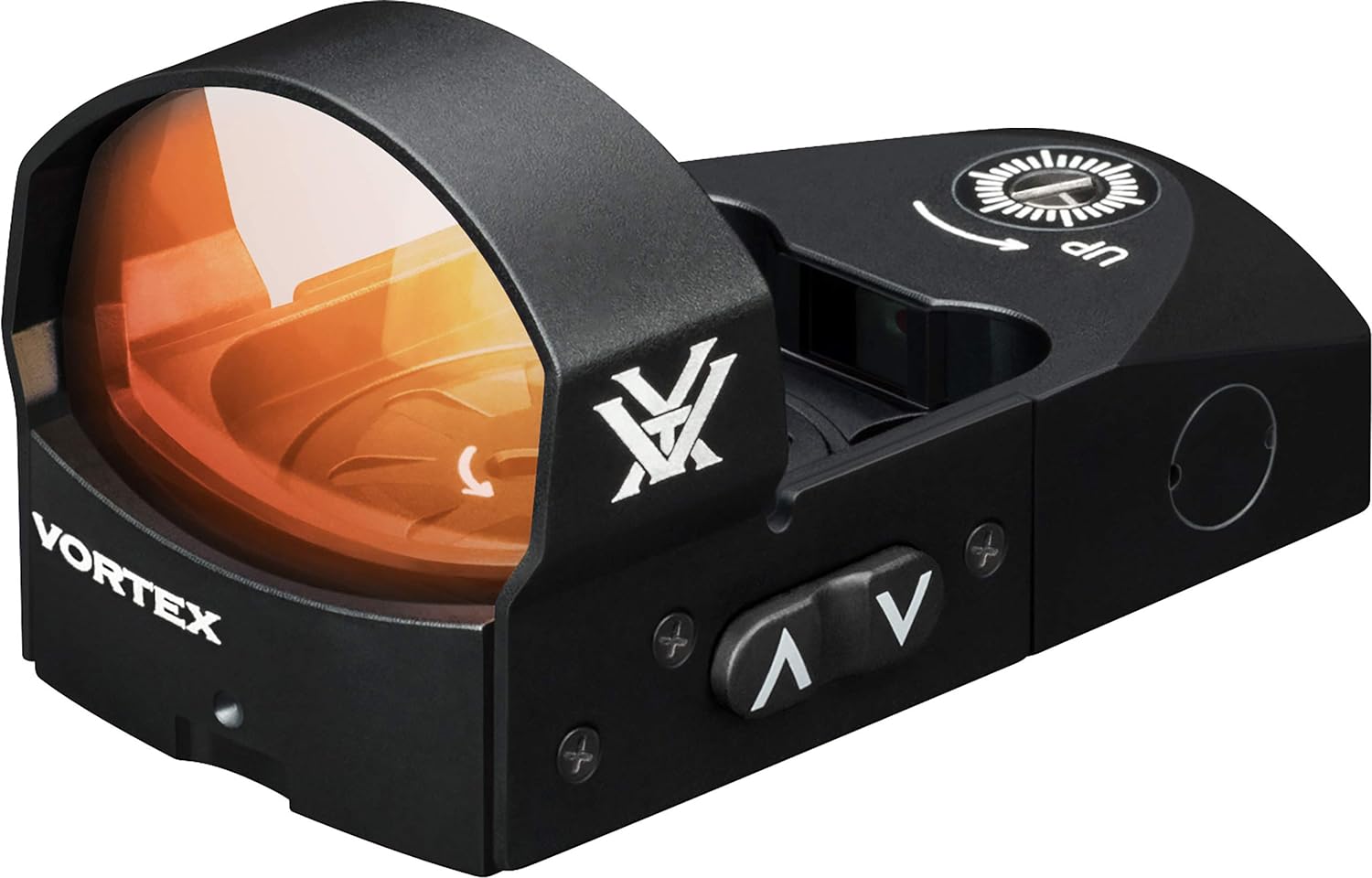
A budget-friendly optic that still performs well on revolver platforms.
Specs:
Footprint: Docter
Dot: 3 MOA
Battery: CR1632 (top load)
Window: Large
Pros:
Easy battery access
Clear glass
Affordable
Cons:
Less durable housing
More noticeable parallax
My hands-on notes:
The large window is forgiving when reacquiring the dot after recoil. However, I did notice slight distortion near the edges. Button feel is decent, even with gloves. It holds zero reasonably well but isn’t ideal for heavy .357 use long-term.
What people say online:
Popular among budget builds. Users appreciate the clarity but warn about durability under sustained recoil.
Mounting clarity:
Requires Docter footprint adapter plate.
╰┈➤ Explore User Feedback and Current Pricing on Amazon
Burris FastFire 3
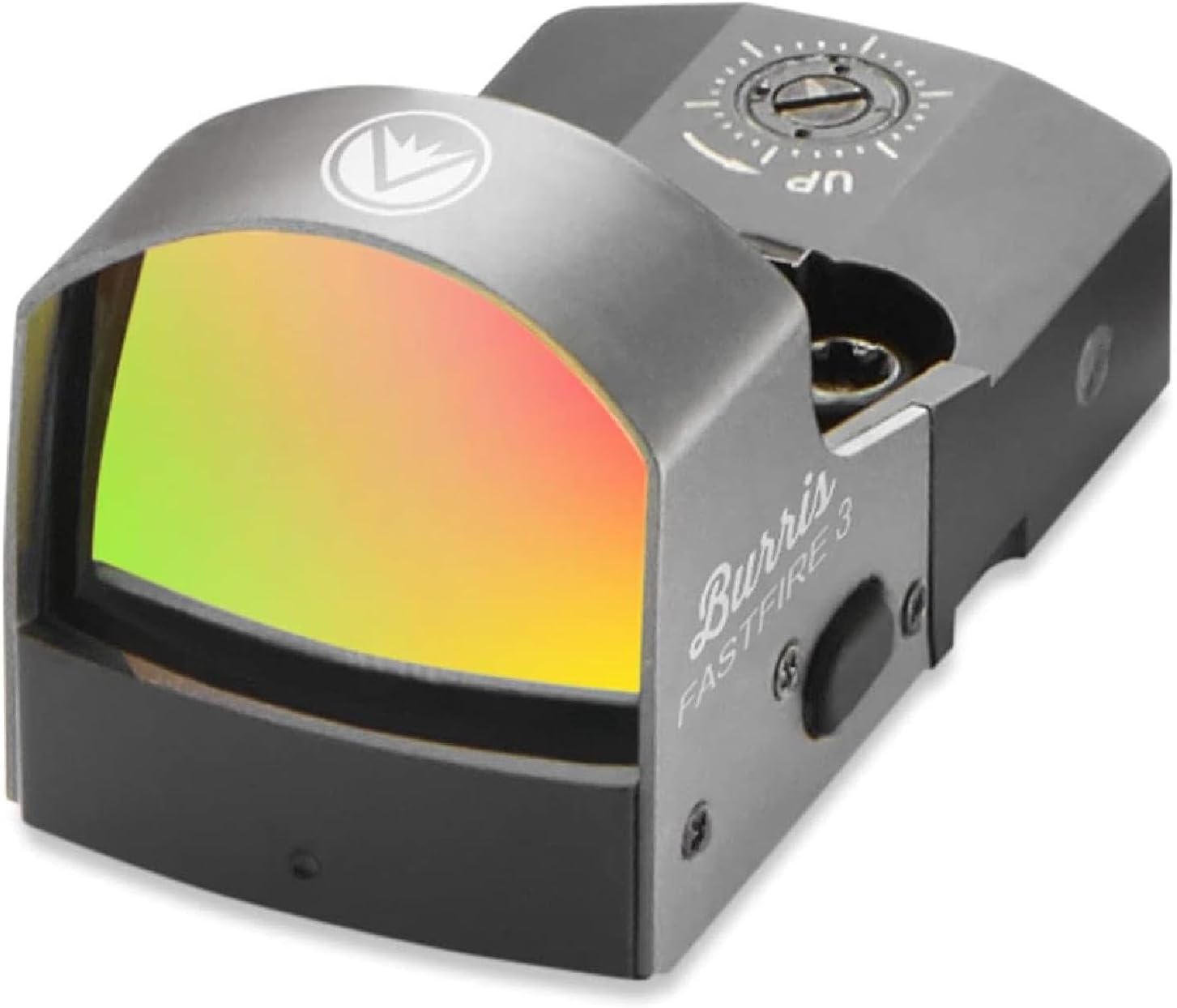
Lightweight and simple, ideal for keeping your revolver balanced.
Specs:
Footprint: Docter
Dot: 3 MOA
Battery: CR1632
Weight: 0.9 oz
Pros:
Extremely lightweight
Simple controls
Good brightness range
Cons:
Auto-brightness can lag
Less rugged
My hands-on notes:
The low weight helps maintain revolver balance. Parallax is noticeable at extreme angles, but manageable. The auto-brightness struggles in mixed lighting conditions.
What people say online:
Widely used for competition and range shooting. Less favored for duty use.
Mounting clarity:
Docter footprint—requires compatible plate.
╰┈➤ Explore User Feedback and Current Pricing on Amazon
Leupold DeltaPoint Pro
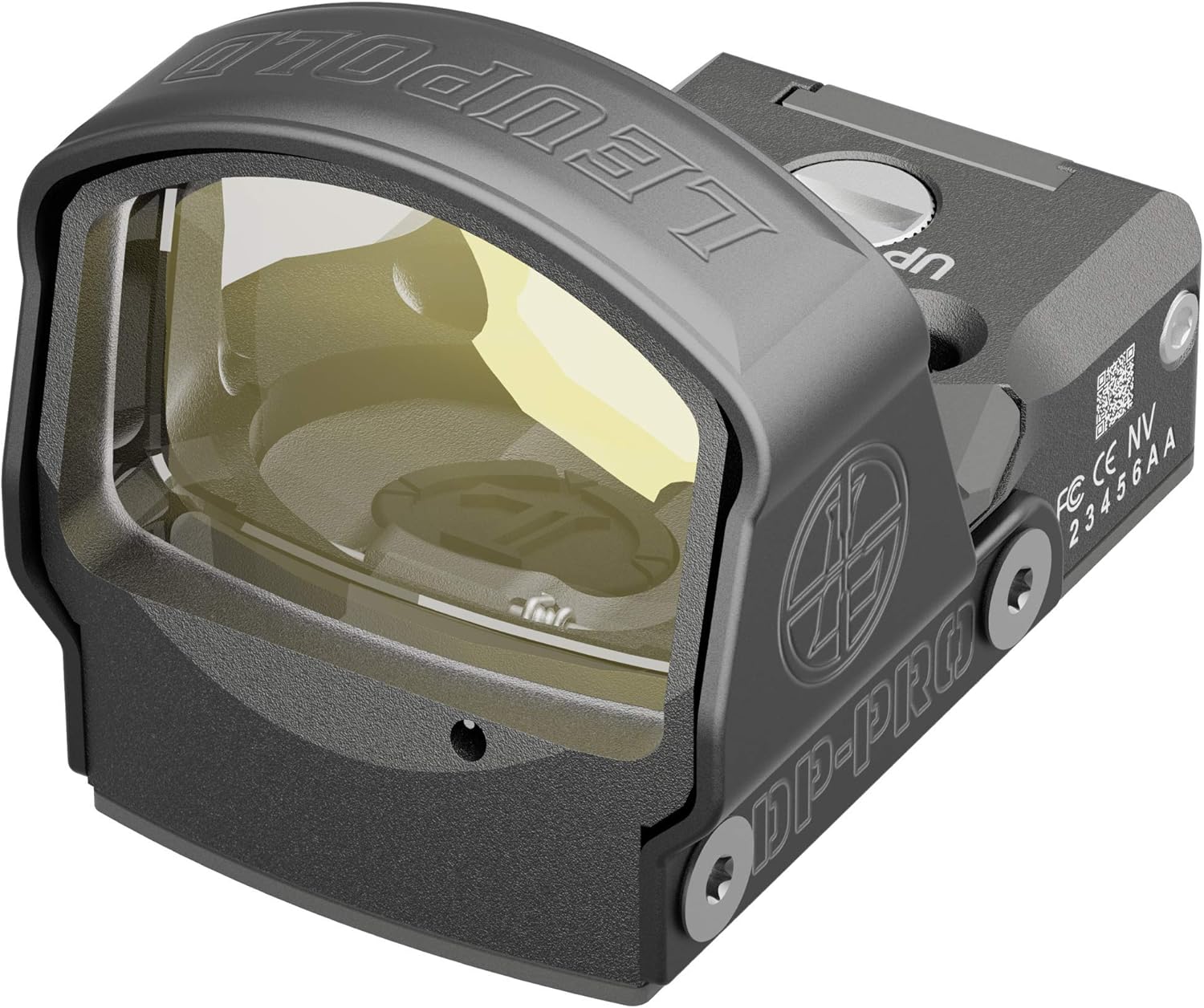
Known for its massive window and premium build quality.
Specs:
Footprint: DPP
Dot: 2.5 MOA
Battery: CR2032
Window: Large
Pros:
Huge field of view
Excellent glass clarity
Durable housing
Cons:
Larger size
Higher mounting height
My hands-on notes:
The window makes target acquisition incredibly fast. On the 692, it helps offset recoil-induced sight loss. Glass is crystal clear with minimal tint. Parallax is well controlled.
What people say online:
Shooters love the visibility but note the bulk.
Mounting clarity:
Requires DPP-compatible plate.
╰┈➤ Explore User Feedback and Current Pricing on Amazon
HOLOSUN 509T
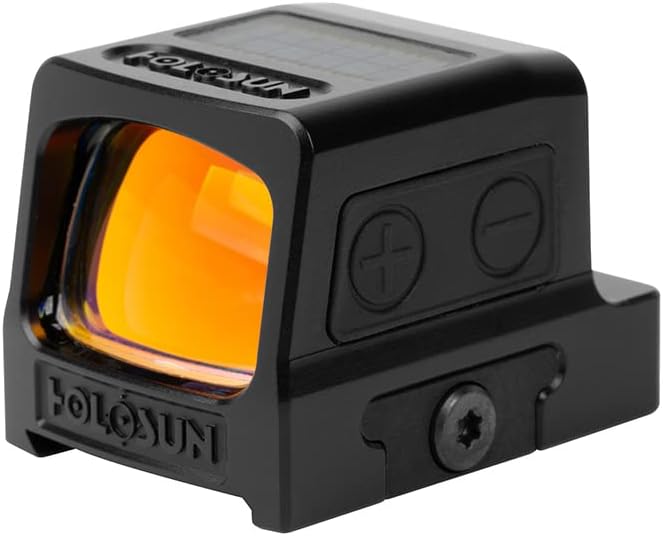
An enclosed emitter optic designed for extreme durability.
Specs:
Footprint: 509T
Dot: 2 MOA
Battery: CR1632
Housing: Titanium
Pros:
Enclosed emitter
Extremely durable
Weather resistant
Cons:
Requires adapter plate
Slight tunnel effect
My hands-on notes:
This optic thrives in harsh environments. The enclosed emitter eliminates occlusion issues. Recoil handling is excellent—even with heavy loads. The tunnel effect is noticeable but fades with use.
What people say online:
Highly praised for durability and reliability.
Mounting clarity:
Requires dedicated 509T adapter plate.
╰┈➤ Explore User Feedback and Current Pricing on Amazon
How I Tested / Evaluation Criteria
Parallax:
I tested each optic at varying distances from 7 to 50 yards. Revolvers exaggerate parallax issues due to recoil recovery, so optics with tighter parallax control performed noticeably better.
Co-witness / deck height:
Since the Taurus 692 requires a mounting plate or rail, co-witness is limited. I evaluated how high each optic sat and whether it affected sight alignment or cheek index.
Durability:
All optics were tested with .357 Magnum loads. Recoil impulse is sharper than semi-autos, exposing weak mounting systems and poor sealing quickly.
Battery:
Battery access matters more on revolvers. Removing the optic to replace a battery risks losing zero, so top- or side-loading designs scored higher.
Brightness range:
I tested in both bright daylight and low light. Some optics struggled with auto-adjust systems or lacked sufficient daylight brightness.
Glass quality:
Clarity, tint, and distortion were evaluated. Revolver shooters rely heavily on fast visual reacquisition, making glass quality critical.
Controls ergonomics:
Button size and tactile feedback were tested with gloves. Some optics had mushy controls that made adjustments difficult under stress.
Mounting ecosystem:
I evaluated how easy it was to mount each optic on a Taurus 692 using common rail adapters and plates.
How to Choose the Right Red Dot for This Gun
Choosing the right optic for a Taurus 692 is fundamentally different from selecting one for a semi-auto pistol. The revolver platform introduces unique challenges—primarily mounting and recoil management—that you can’t ignore.
First, consider mounting. The 692 does not come optics-ready, so you’ll need a rail adapter or custom mount. This means footprint compatibility becomes critical. RMR footprint optics are the easiest to work with because of widespread plate availability. If you choose something like a 509T, expect to add another adapter layer, which increases deck height.
Second, recoil matters more than most people realize. The .357 Magnum produces a sharp upward snap that can loosen screws and shift zero if the optic isn’t built for it. That’s why durability should be your top priority. Open emitter optics can work, but enclosed designs offer better long-term reliability—especially in dusty or humid environments.
Third, think about window size. Revolvers require more effort to reacquire the dot after recoil. A larger window, like on the DeltaPoint Pro, can significantly improve your shooting speed.
Battery access is another factor. Bottom-loading batteries are fine on semi-autos but less ideal here because re-zeroing is more likely after removal.
Finally, consider your use case. If this is a range gun, budget optics like the Venom or FastFire 3 are perfectly acceptable. If you’re relying on it for defense or serious shooting, invest in something like the RMR or 509T.
FAQs
1. Can you mount a red dot directly on a Taurus 692?
No, you need a rail adapter or custom mount.
2. What footprint works best?
RMR is the most versatile due to plate availability.
3. Will recoil damage cheaper optics?
Yes, especially with .357 Magnum loads over time.
4. Is co-witness possible?
Usually no, due to mounting height.
5. Are enclosed emitters worth it?
Yes, especially for durability and reliability.
Conclusion
Finding the Best Red Dot for Taurus 692 comes down to balancing durability, mounting compatibility, and usability under recoil. After extensive testing, I’ve found that rugged optics like the RMR Type 2 and Holosun 509T stand out for serious use, while options like the Venom and FastFire 3 serve well for budget builds. Choose based on how you plan to use your revolver—and don’t compromise on mounting stability.