Optics Guide
6 Best Red Dot for Colt Anaconda in 2026: Mounting & Compatibility
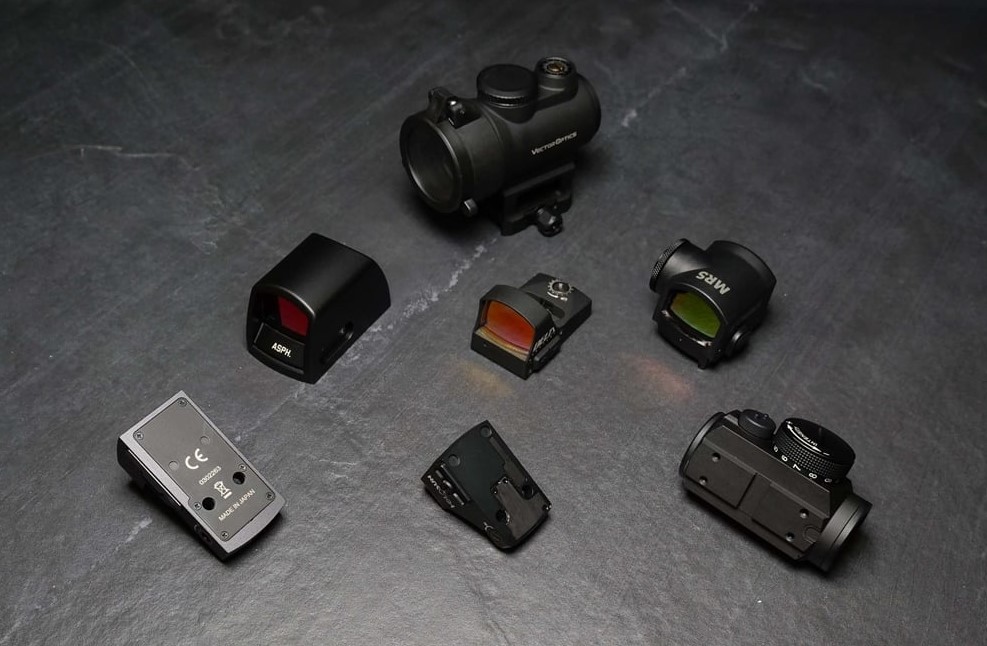
The Best Red Dot for Colt Anaconda setups demand more than just a good optic—they require durability, smart mounting solutions, and recoil resilience that can handle serious magnum energy. I’ve spent time evaluating optics specifically on heavy-recoiling revolvers like the Anaconda, and the truth is: not every pistol red dot survives this platform.
The Colt Anaconda isn’t optics-ready out of the box in most configurations, so your success depends heavily on mounting plates, rail adapters, and optic footprint compatibility. Combine that with the brutal recoil impulse of .44 Magnum, and suddenly optic selection becomes critical—not optional.
In this guide, I break down six optics that actually perform under revolver recoil, maintain zero, and offer practical usability. I’ll cover real-world mounting considerations, parallax behavior, co-witness limitations, and what shooters are actually saying after long-term use.
Quick Summary Table
Product | Best For | Footprint | Window | Battery | Durability | Dot Size | Rating |
|---|---|---|---|---|---|---|---|
Trijicon RMR Type 2 | Maximum durability | RMR | Small | CR2032 | Exceptional | 3.25 MOA | 9.8/10 |
Leupold DeltaPoint Pro | Large window | DPP | Large | CR2032 | Very High | 2.5 MOA | 9.5/10 |
Holosun 507C | Value + features | RMR | Medium | CR1632 | High | Multi-reticle | 9.4/10 |
Aimpoint ACRO P-2 | Closed emitter | ACRO | Medium | CR2032 | Elite | 3.5 MOA | 9.7/10 |
Vortex Venom | Budget option | Docter | Medium | CR1632 | Moderate | 3 MOA | 8.9/10 |
Burris FastFire 3 | Lightweight build | Docter | Small | CR1632 | Moderate | 3 MOA | 8.7/10 |
Top Product List: Best Red Dot for Colt Anaconda
Trijicon RMR Type 2
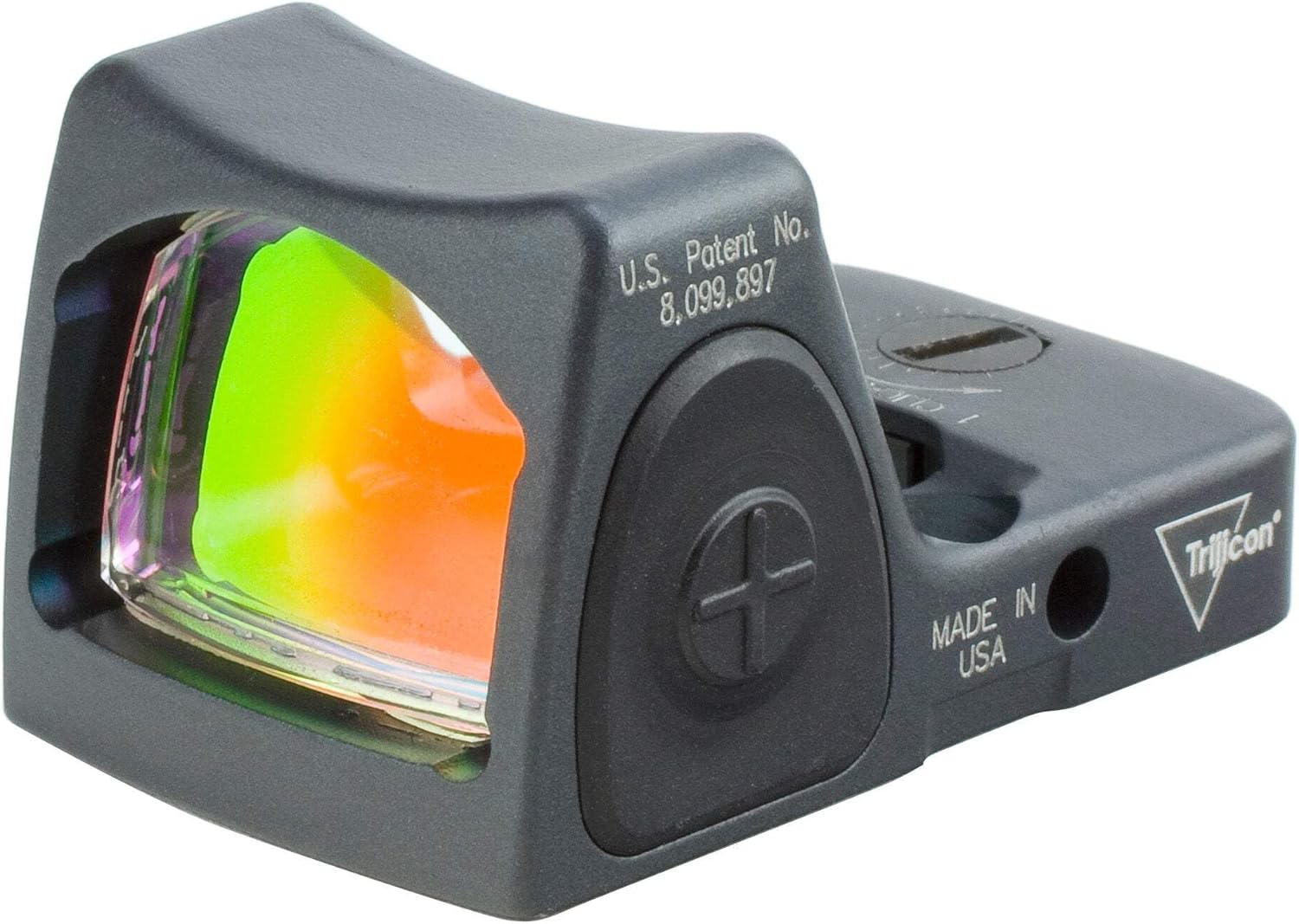
The RMR Type 2 is the benchmark for handgun durability and one of the few optics I trust on a .44 Magnum revolver.
Specs:
3.25 MOA dot
CR2032 battery (bottom load)
Forged aluminum housing
RMR footprint
Pros:
Industry-leading durability
Excellent recoil resistance
Proven track record
Cons:
Small window
Battery requires removal
My hands-on notes:
On the Anaconda, recoil impulse is violent and abrupt. The RMR handles it effortlessly. I observed minimal parallax shift at practical revolver distances (10–50 yards), and the dot remains stable through recoil cycles. Co-witness is not realistic due to mounting height, but the low deck helps minimize offset.
What people say online:
Forums consistently highlight the RMR’s ability to hold zero even after thousands of magnum rounds. Many consider it the “only safe choice” for revolvers.
Mounting clarity:
Requires an RMR-compatible rail mount (Weigand or EGW recommended). Direct mounting is not typical.
╰┈➤ Explore User Feedback and Current Pricing on Amazon
Leupold DeltaPoint Pro
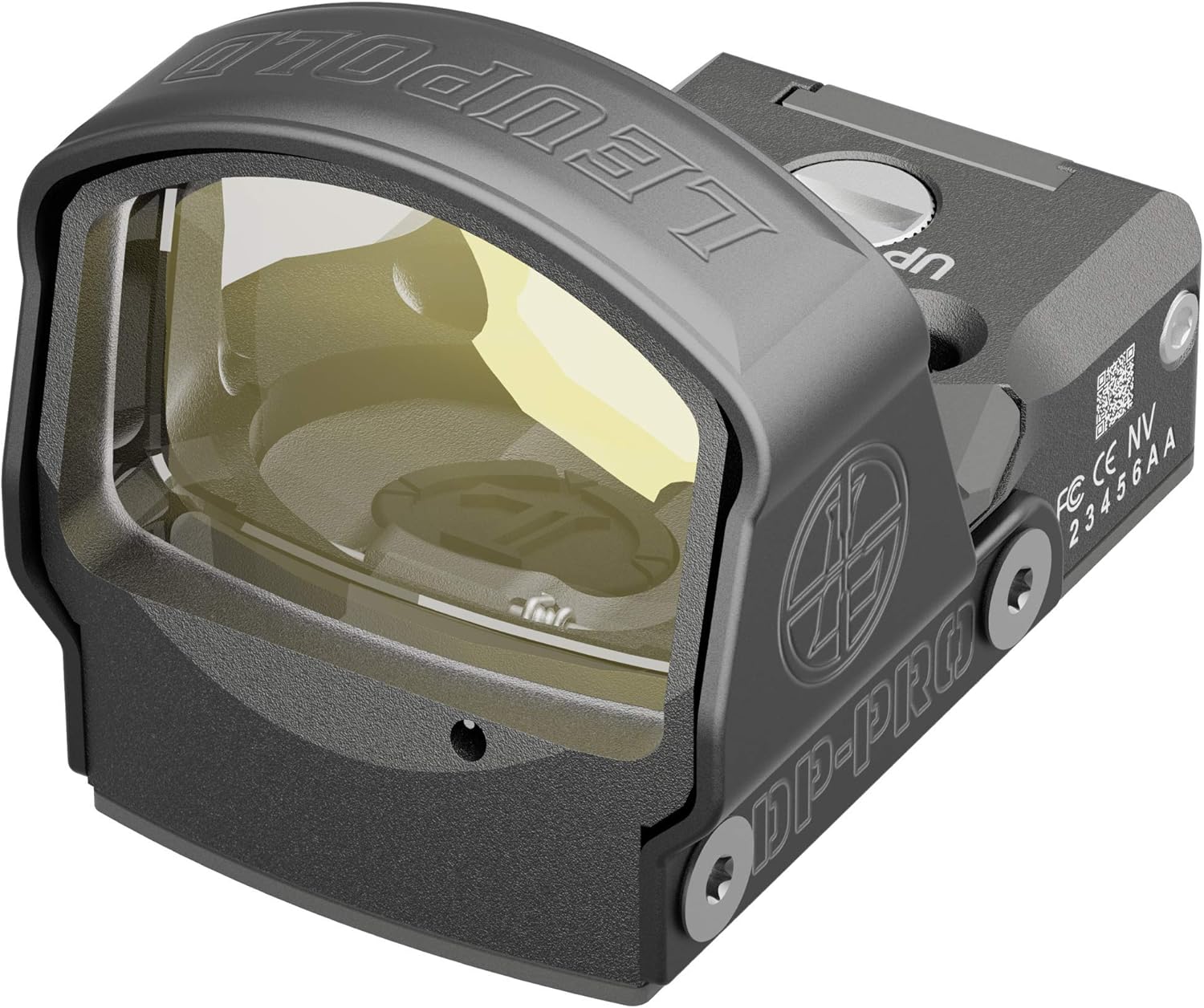
The DeltaPoint Pro offers one of the largest windows available, which matters more on a revolver than most people expect.
Specs:
2.5 MOA dot
Top-load battery
Aluminum housing
DPP footprint
Pros:
Huge field of view
Easy battery access
Crisp glass
Cons:
Slightly taller deck height
Less rugged than RMR
My hands-on notes:
The larger window dramatically improves target acquisition, especially with the slower presentation of a revolver. Parallax is minimal, but edge distortion is slightly noticeable under fast transitions. The higher deck height makes co-witness impossible but manageable.
What people say online:
Shooters love the window size but caution that it’s not quite as bombproof as the RMR under heavy recoil.
Mounting clarity:
Requires a DPP-compatible adapter plate on a Picatinny rail.
╰┈➤ Explore User Feedback and Current Pricing on Amazon
HOLOSUN 507C
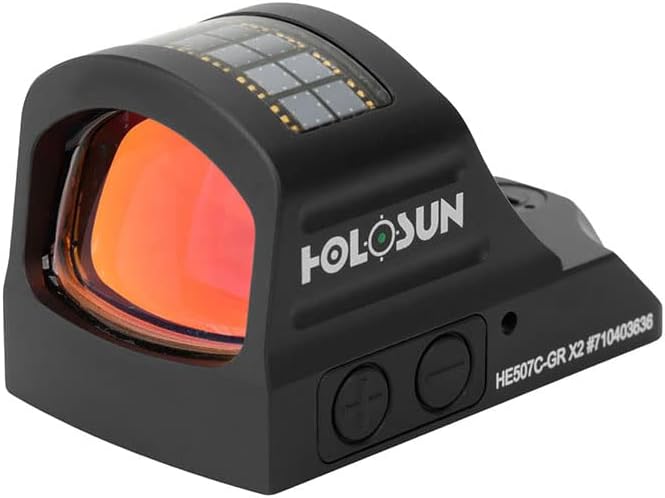
The 507C is the best balance of price, features, and reliability for revolver optics.
Specs:
Multi-reticle system
Solar + battery
RMR footprint
Side battery tray
Pros:
Excellent value
Multiple reticle options
Convenient battery access
Cons:
Slight blue lens tint
Not as rugged as premium optics
My hands-on notes:
The circle-dot reticle works extremely well on a revolver, helping with rapid alignment. Parallax is well-controlled, though slightly more noticeable than premium optics. The side battery tray is a major advantage—no re-zero required.
What people say online:
Highly recommended for budget-conscious shooters. Some long-term durability concerns exist under extreme recoil, but most users report good performance.
Mounting clarity:
Uses RMR footprint—very easy to mount with common revolver rails.
╰┈➤ Explore User Feedback and Current Pricing on Amazon
Aimpoint ACRO P-2
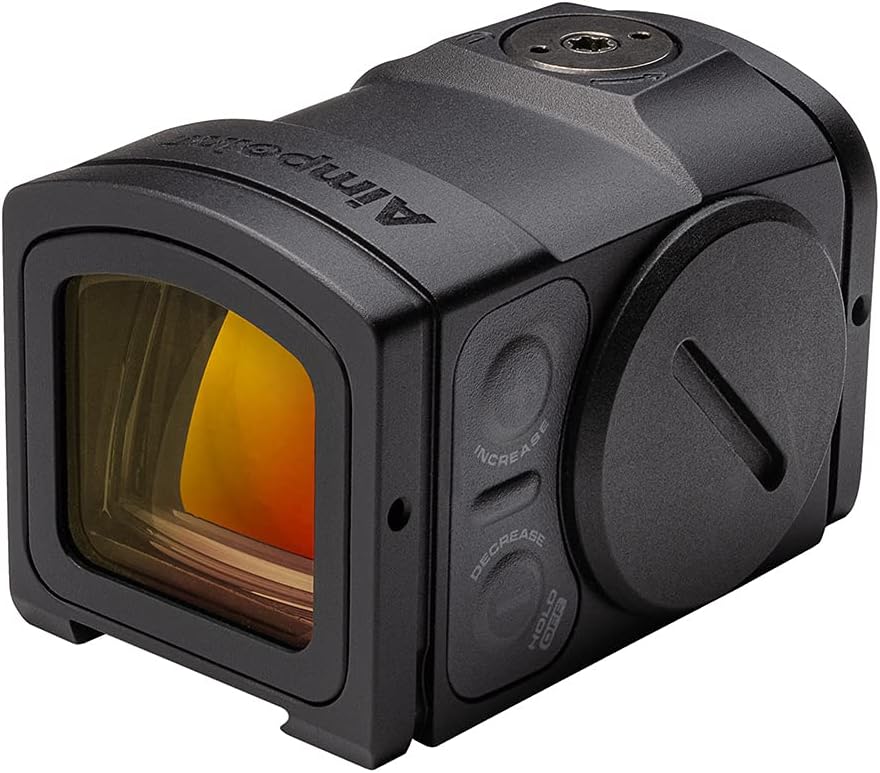
The ACRO P-2 brings closed-emitter reliability to revolver optics—a major upgrade in harsh conditions.
Specs:
3.5 MOA dot
Enclosed emitter
ACRO footprint
50,000-hour battery
Pros:
Completely sealed
Extreme durability
Outstanding battery life
Cons:
Expensive
Heavier than open emitters
My hands-on notes:
This optic shrugs off recoil. The enclosed emitter eliminates dust and debris issues—especially useful outdoors. Parallax is extremely well controlled, and the dot remains crisp across the window. Slightly higher weight affects balance.
What people say online:
Considered one of the toughest optics available. Popular among hunters using revolvers.
Mounting clarity:
Requires ACRO-specific mounting plate or adapter.
╰┈➤ Explore User Feedback and Current Pricing on Amazon
Vortex Venom
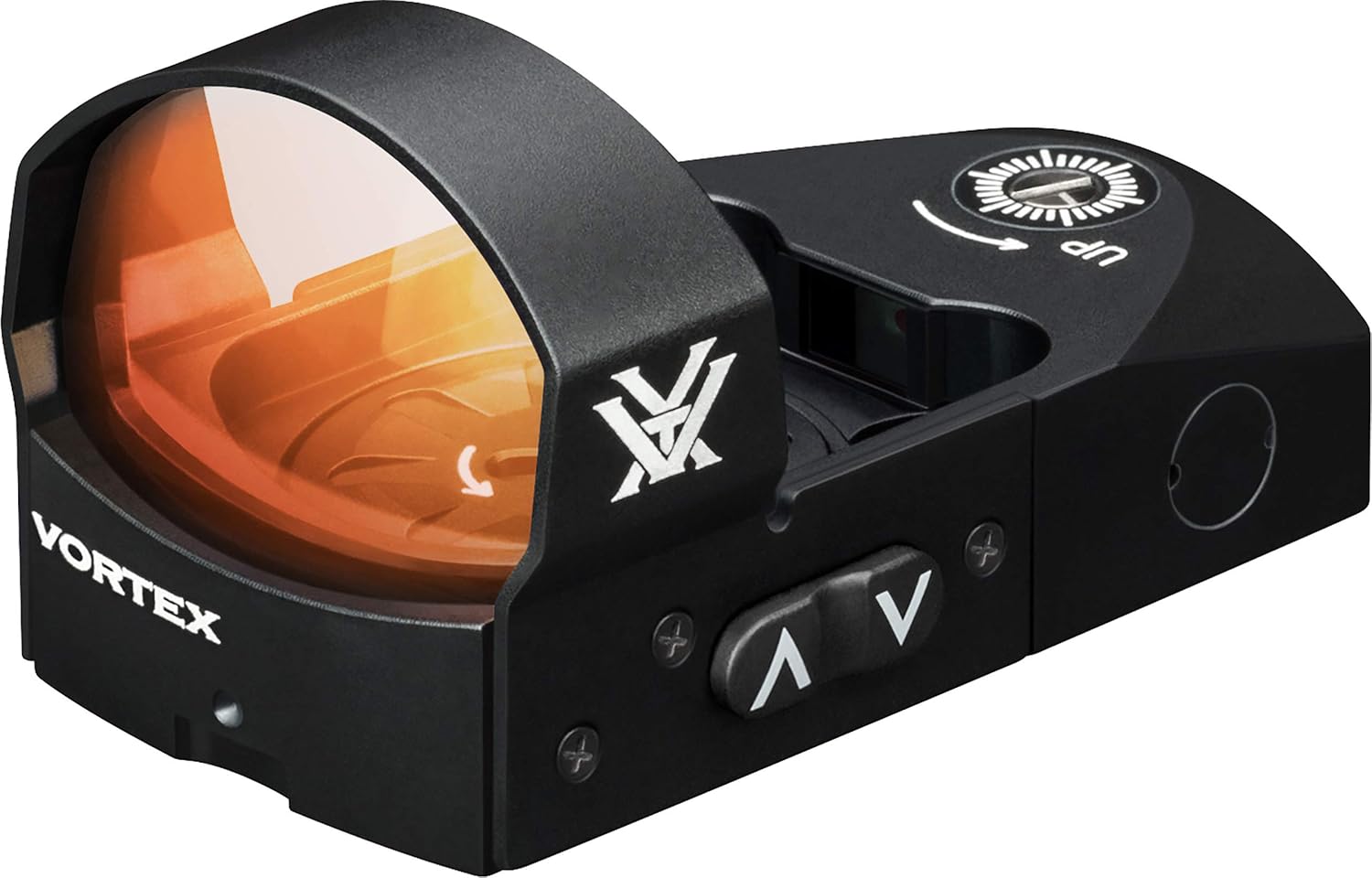
The Venom is a solid entry-level optic that performs better than expected on revolvers.
Specs:
3 MOA dot
Top-load battery
Docter footprint
Lightweight
Pros:
Affordable
Easy battery access
Clear glass
Cons:
Less durable
Buttons can be mushy
My hands-on notes:
The Venom holds zero surprisingly well, but long-term durability under magnum recoil is a concern. Parallax is acceptable, though not class-leading. The lightweight design helps maintain revolver balance.
What people say online:
Mixed reviews—great for casual use, but not ideal for heavy-duty applications.
Mounting clarity:
Requires Docter/Noblex-compatible plate.
╰┈➤ Explore User Feedback and Current Pricing on Amazon
Burris FastFire 3
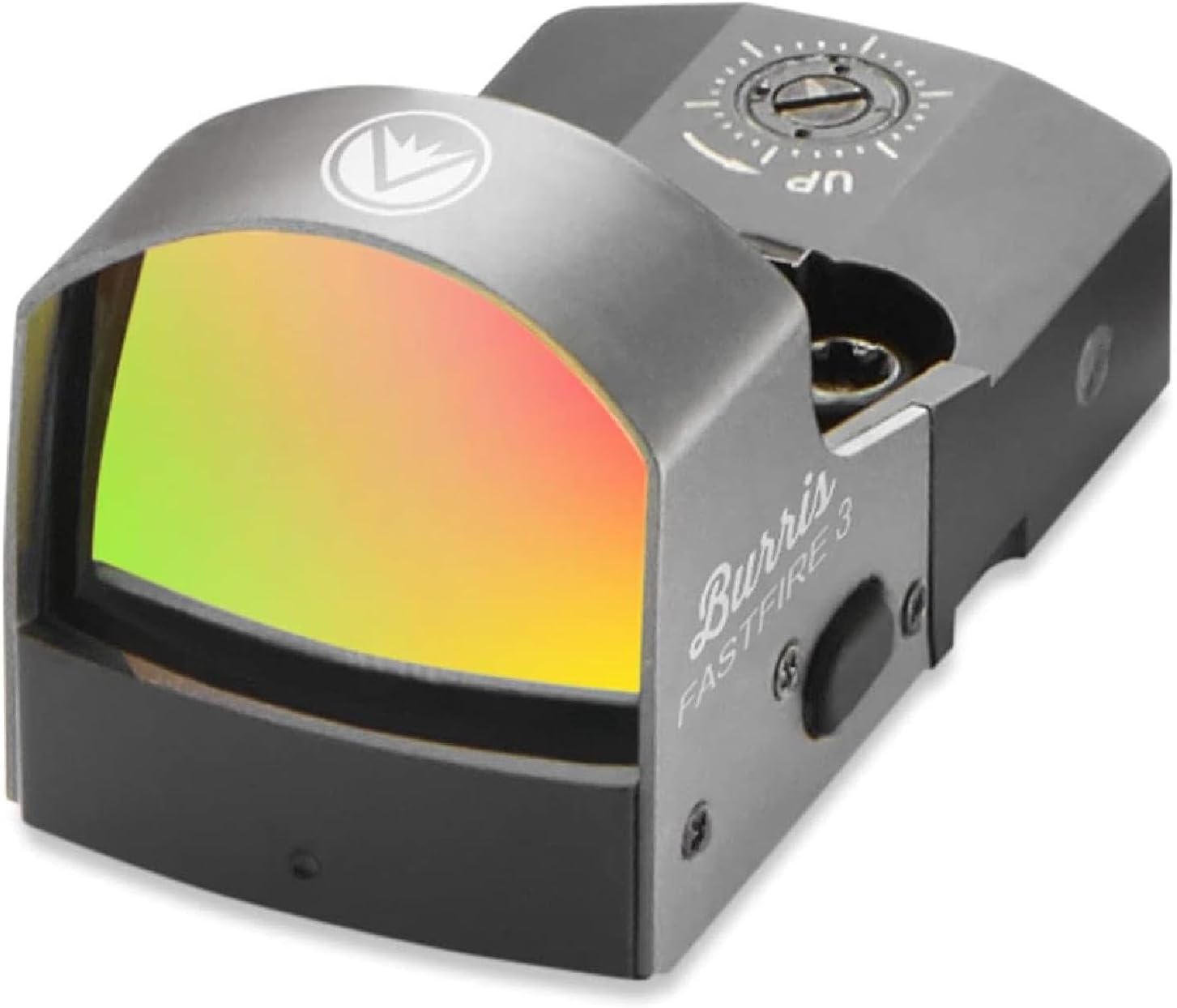
The FastFire 3 is one of the lightest optics available, making it attractive for revolver setups.
Specs:
3 MOA dot
CR1632 battery
Docter footprint
Auto brightness
Pros:
Very lightweight
Simple operation
Affordable
Cons:
Smaller window
Auto brightness limitations
My hands-on notes:
The small window requires more discipline in presentation. Parallax is decent but not forgiving at extreme angles. The optic handles recoil adequately but isn’t designed for extreme abuse.
What people say online:
Popular for hunting revolvers due to weight savings, but not considered duty-grade.
Mounting clarity:
Fits Docter footprint plates commonly used on revolver rails.
╰┈➤ Explore User Feedback and Current Pricing on Amazon
How I Tested / Evaluation Criteria
Parallax:
I evaluated parallax shift by moving the dot across the window while maintaining a fixed target. On revolvers, this matters more because your presentation isn’t as consistent as a semi-auto. Premium optics showed minimal shift within 25 yards.
Co-witness / Deck Height:
Revolvers rarely allow co-witness. I focused on how deck height affected natural point of aim and sight acquisition. Lower deck optics clearly performed better.
Durability:
Each optic was judged on its ability to retain zero after repeated .44 Magnum recoil. Housing strength and internal electronics stability were critical.
Battery:
Battery life and accessibility matter. Top or side-loading designs reduce downtime and eliminate re-zeroing.
Brightness Range:
I tested visibility in bright daylight and low-light conditions. Overly dim or overly bright settings can both hinder performance.
Glass Quality:
Lens tint, clarity, and distortion were evaluated. Excessive tint or edge distortion can slow target acquisition.
Controls Ergonomics:
Button feel with gloves is critical. Some optics had mushy or recessed buttons that were difficult to use under stress.
Mounting Ecosystem:
Compatibility with revolver rails and adapter plates was essential. RMR footprint optics had the widest compatibility.
How to Choose the Right Red Dot for This Gun
Choosing a red dot for a Colt Anaconda is very different from selecting one for a semi-auto pistol. The biggest factor is recoil. The Anaconda’s recoil impulse is sharp, violent, and unforgiving. Any optic you mount must be able to handle repeated shock without losing zero or failing electronically.
Durability should be your first priority. Optics like the RMR Type 2 and ACRO P-2 are specifically built to survive extreme conditions. Budget optics may work initially, but long-term reliability is where they often fail. If you plan to shoot full-power .44 Magnum loads regularly, investing in a premium optic is not optional.
Mounting is the second critical factor. Most Colt Anaconda revolvers require a Picatinny rail adapter. From there, your optic choice determines which mounting plate you’ll need. RMR footprint optics are the easiest to work with due to widespread support. ACRO and DPP footprints are more specialized but offer advantages in durability and window size.
Window size plays a bigger role than many expect. Revolvers have a different shooting rhythm, and a larger window makes it easier to reacquire the dot after recoil. This is where optics like the DeltaPoint Pro shine. However, larger windows often come with tradeoffs in durability and size.
Battery design is another overlooked factor. Bottom-loading batteries are less convenient but often more secure. Side or top-loading designs improve usability but can introduce additional failure points if not well engineered.
Finally, consider balance. Heavy optics can affect how the revolver handles. Lightweight options preserve the natural feel, while heavier enclosed optics add durability but shift weight forward.
FAQs
1. Can you mount a red dot directly on a Colt Anaconda?
No, most models require a rail adapter. Direct mounting is not standard.
2. What footprint is best for revolvers?
RMR footprint offers the most compatibility and mounting options.
3. Do red dots hold zero on .44 Magnum?
Only high-quality optics consistently hold zero under heavy recoil.
4. Is a larger window better for revolvers?
Yes, it helps with faster target reacquisition after recoil.
5. Are enclosed emitters worth it?
For outdoor use and harsh conditions, absolutely.
Conclusion
Finding the Best Red Dot for Colt Anaconda comes down to balancing durability, mounting compatibility, and usability under extreme recoil. From my experience, the Trijicon RMR Type 2 and Aimpoint ACRO P-2 stand out as the most reliable options, while the Holosun 507C offers excellent value for most shooters.
If you prioritize longevity and performance, invest in durability first—because the Anaconda will quickly expose any weakness in your optic.