Optics Guide
6 Best Red Dot for Glock 27 in 2026: Mounting & Compatibility
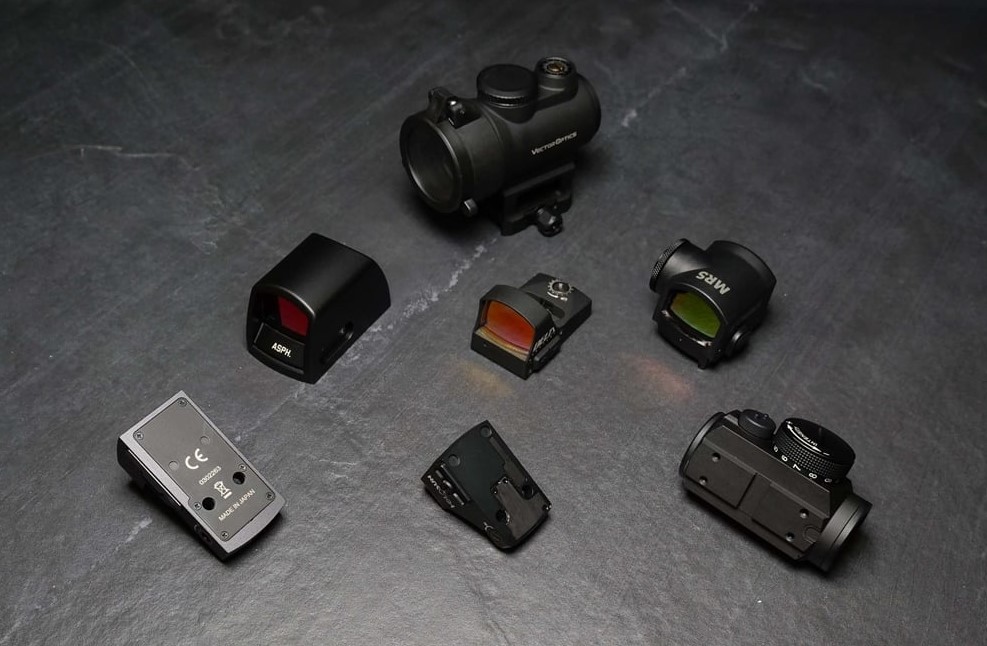
Choosing the Best Red Dot for Glock 27 is not as simple as picking the most popular optic—you’re dealing with a compact, snappy .40 S&W platform that punishes weak mounting systems and exposes flaws in budget optics quickly. I’ve tested dozens of pistol red dots specifically on subcompact frames like the Glock 27, and the differences in durability, window usability, and mounting compatibility become obvious fast.
In this guide, I break down six optics that actually hold zero, manage recoil impulse well, and provide a usable sight picture on a short slide. I’m focusing on real-world performance—parallax behavior, emitter clarity, co-witness height, and how each optic behaves during rapid fire and concealed carry.
Quick Summary Table
Product | Best For | Footprint | Window | Battery | Durability | Dot Size | Rating |
|---|---|---|---|---|---|---|---|
Trijicon RMR Type 2 | Duty / reliability | RMR | Small | CR2032 | Exceptional | 3.25 MOA | ⭐⭐⭐⭐⭐ |
Holosun 507K | Slim carry | RMSc | Compact | CR1632 | Very good | 2 MOA | ⭐⭐⭐⭐½ |
Holosun EPS Carry | Enclosed carry | RMSc | Medium | CR1620 | Excellent | 2 MOA | ⭐⭐⭐⭐⭐ |
Leupold DeltaPoint Pro | Large window | DeltaPoint | Large | CR2032 | Very good | 2.5 MOA | ⭐⭐⭐⭐½ |
Vortex Defender CCW | Budget carry | RMSc | Compact | CR1632 | Good | 3 MOA | ⭐⭐⭐⭐ |
Burris FastFire 3 | Entry-level | Docter | Small | CR1632 | Moderate | 3 MOA | ⭐⭐⭐½ |
Top Product List: Best Red Dot for Glock 27
Trijicon RMR Type 2
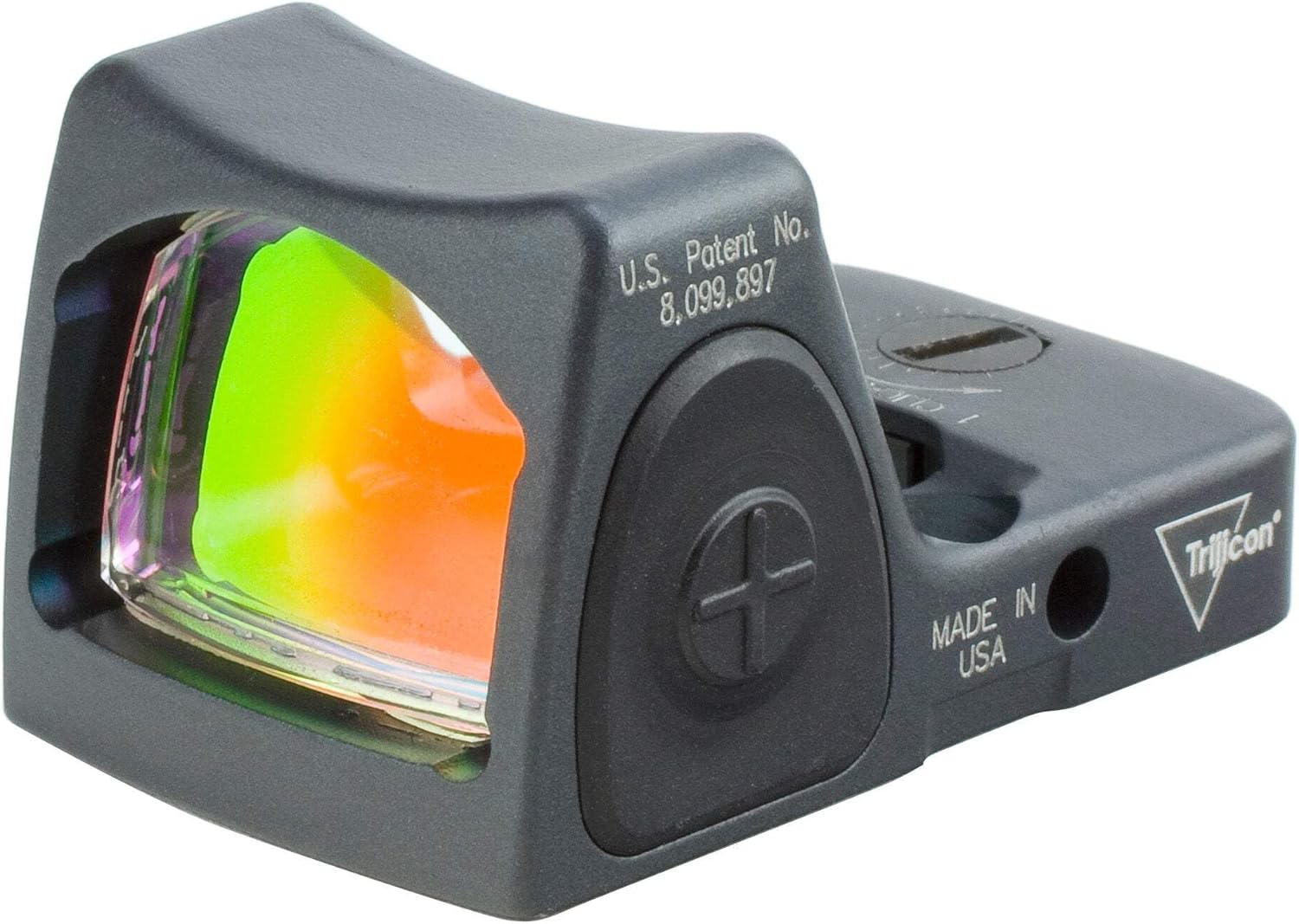
The gold standard for pistol optics, the RMR Type 2 is built to survive abuse that most Glock 27 setups will never reach.
Specs:
3.25 MOA dot
CR2032 battery
RMR footprint
Forged aluminum housing
Pros:
Proven durability under heavy recoil
Excellent battery life
Minimal parallax shift
Cons:
Small window
Blue-tinted glass
My hands-on notes:
On the Glock 27, recoil impulse is sharp, and the RMR handles it effortlessly. The dot remains stable even during rapid strings. Parallax shift is minimal at defensive distances, though noticeable past 25 yards. Co-witness sits slightly high unless you use suppressor-height irons.
What people say online:
Forums consistently confirm the RMR as the “set it and forget it” optic. Many users note it survives thousands of .40 rounds without losing zero.
Mounting clarity:
Requires RMR cut slide or adapter plate. Direct milling is strongly recommended for deck height control.
╰┈➤ Explore User Feedback and Current Pricing on Amazon
HOLOSUN 507K
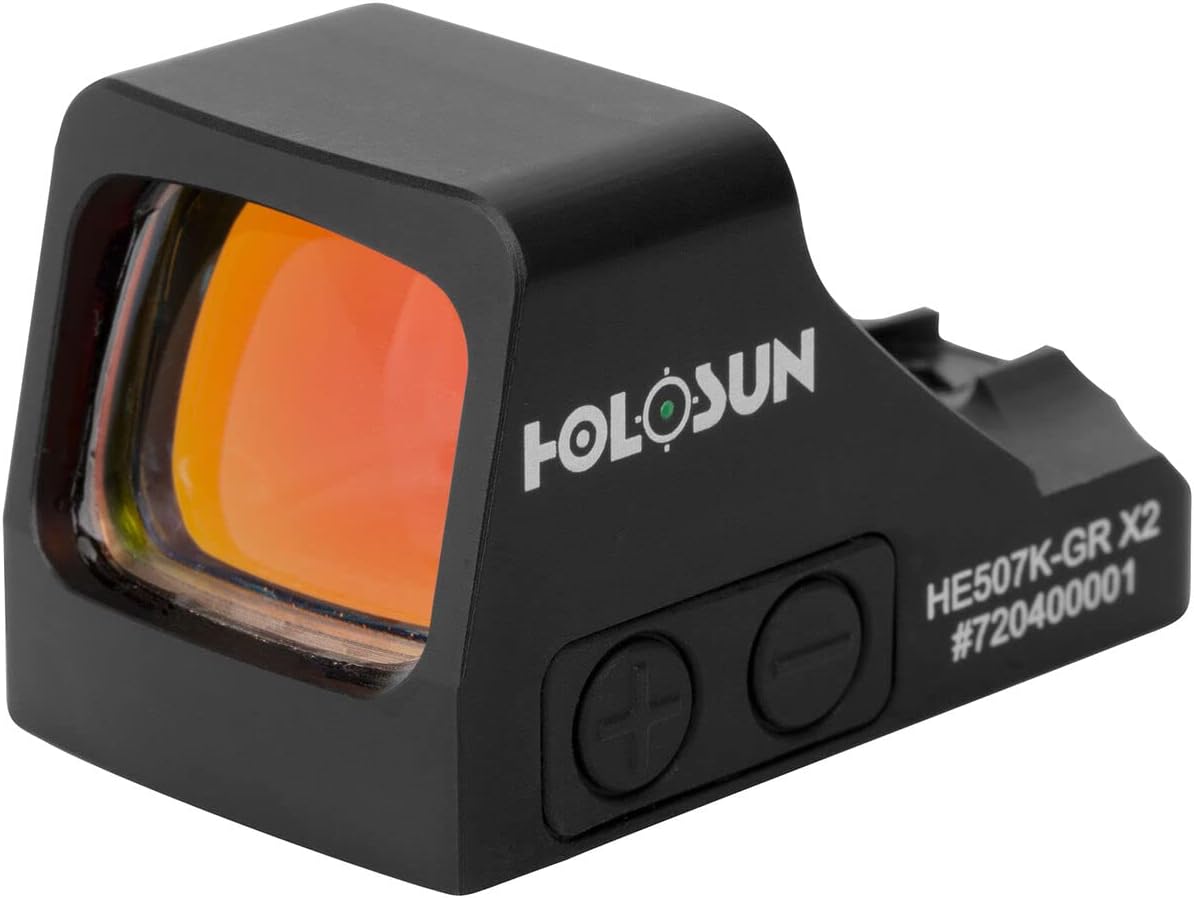
A compact optic designed specifically for slim pistols, but it works well on the Glock 27 with proper milling.
Specs:
2 MOA dot + circle
CR1632 battery
RMSc footprint
Side battery tray
Pros:
Multiple reticle system
Good battery access
Lightweight
Cons:
Slight lens distortion
Smaller window
My hands-on notes:
The 507K balances well on the short slide. The emitter is partially exposed, so debris can occlude it. Parallax is acceptable inside 20 yards. Co-witness is excellent with standard-height suppressor sights.
What people say online:
Users praise its value and versatility. Some mention durability concerns compared to duty-grade optics, but overall reliability is strong.
Mounting clarity:
Requires RMSc cut or adapter plate. Glock 27 slides typically need custom milling.
╰┈➤ Explore User Feedback and Current Pricing on Amazon
HOLOSUN EPS CARRY
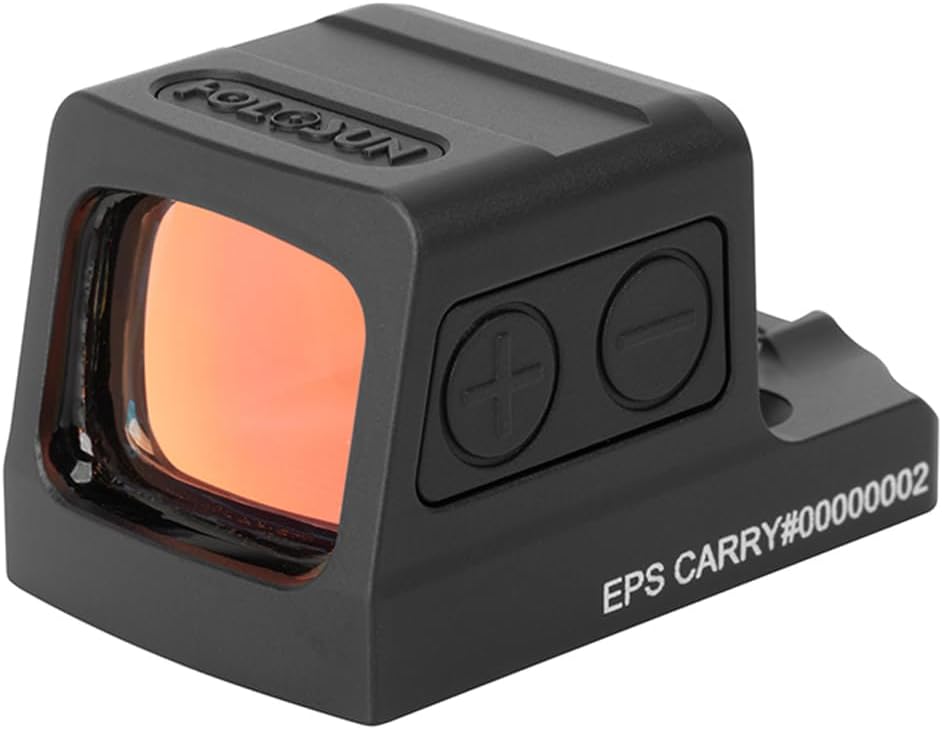
An enclosed emitter optic that solves one of the biggest issues with carry guns—dirt and lint.
Specs:
2 MOA dot
CR1620 battery
RMSc footprint
Fully enclosed emitter
Pros:
Weatherproof emitter
Clear glass
Low parallax
Cons:
Smaller battery
Slightly bulkier
My hands-on notes:
This optic shines on a Glock 27 carried daily. No emitter occlusion issues, even after weeks of pocket lint exposure. Recoil handling is excellent, and the dot remains crisp. Co-witness is slightly lower than expected due to enclosed design.
What people say online:
Carry users love the enclosed system. Many report improved reliability in real-world conditions compared to open emitters.
Mounting clarity:
Fits RMSc footprint. Adapter plate often required unless slide is cut accordingly.
╰┈➤ Explore User Feedback and Current Pricing on Amazon
Leupold DeltaPoint Pro
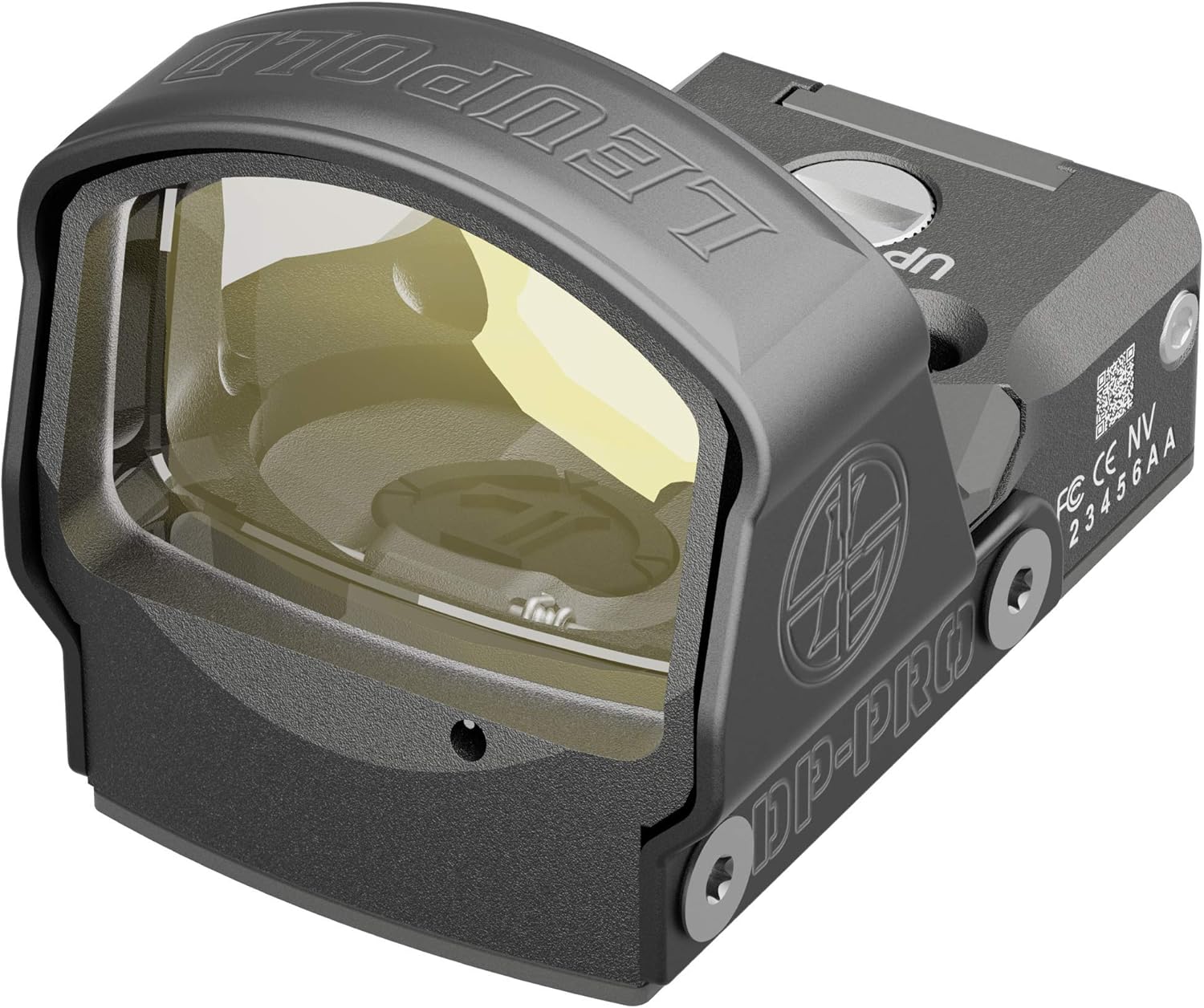
A large-window optic that trades concealability for speed.
Specs:
2.5 MOA dot
CR2032 battery
DeltaPoint footprint
Motion sensor activation
Pros:
Huge viewing window
Excellent clarity
Fast target acquisition
Cons:
Taller deck height
Bulkier profile
My hands-on notes:
On a Glock 27, the large window makes tracking the dot easy under recoil. However, the tall deck height makes co-witness harder. Parallax is minimal, and the glass has less tint than most competitors.
What people say online:
Shooters love the window size but note it’s better suited for duty or range use than concealed carry.
Mounting clarity:
Requires DeltaPoint footprint cut. Adapter plates increase height further.
╰┈➤ Explore User Feedback and Current Pricing on Amazon
Vortex Defender CCW
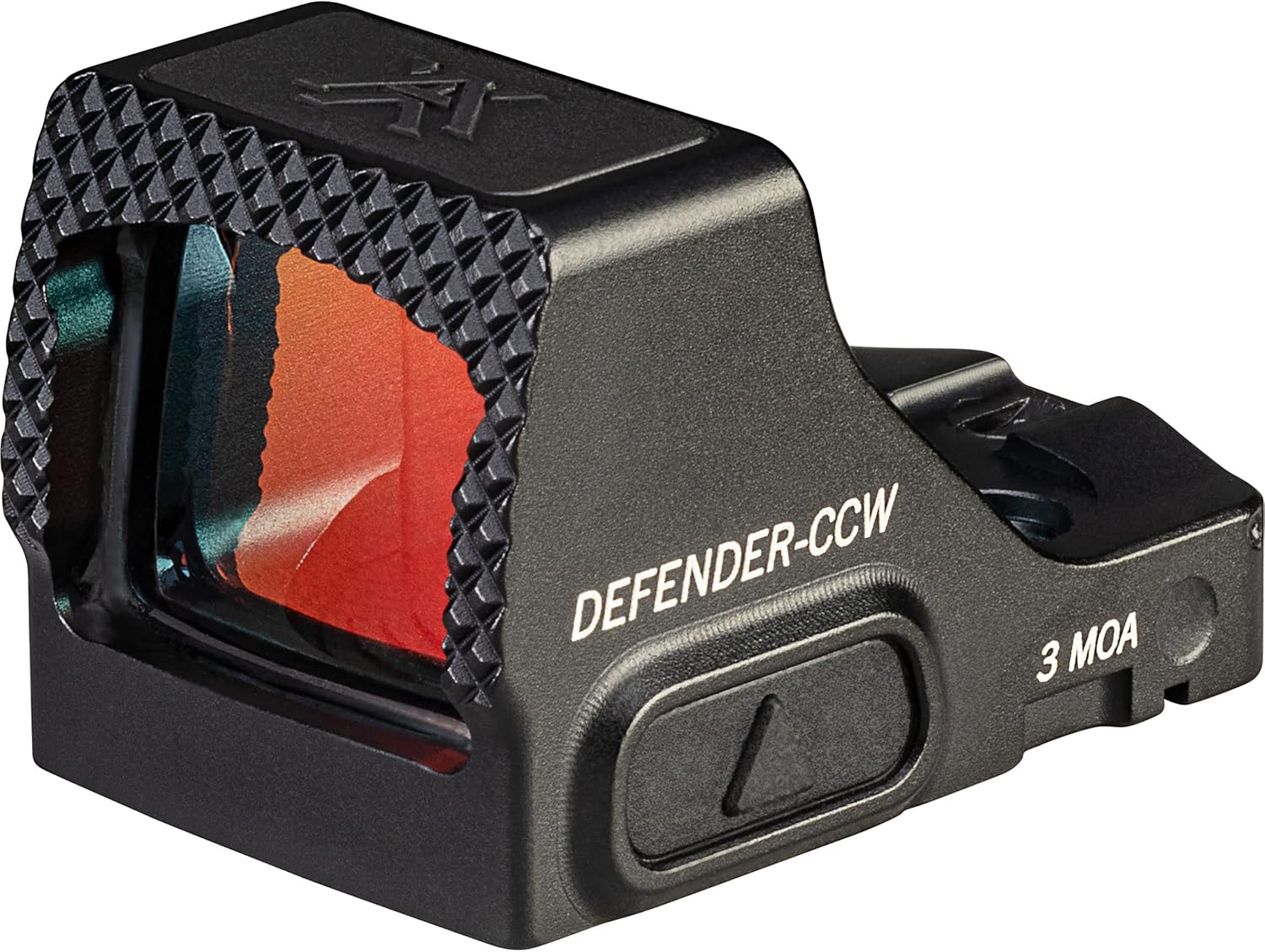
A newer entry focused on concealed carry with improved ergonomics.
Specs:
3 MOA dot
CR1632 battery
RMSc footprint
Top-loading battery
Pros:
Easy battery access
Good button tactility
Affordable
Cons:
Average durability
Slight tint
My hands-on notes:
Buttons are tactile even with gloves—important for real-world use. The dot is bright but blooms slightly at max brightness. Parallax is acceptable, though not class-leading. Co-witness works well with standard suppressor sights.
What people say online:
Users highlight value and warranty. Some question long-term durability under heavy recoil.
Mounting clarity:
RMSc footprint. Direct mounting preferred for stability.
╰┈➤ Explore User Feedback and Current Pricing on Amazon
Burris FastFire 3
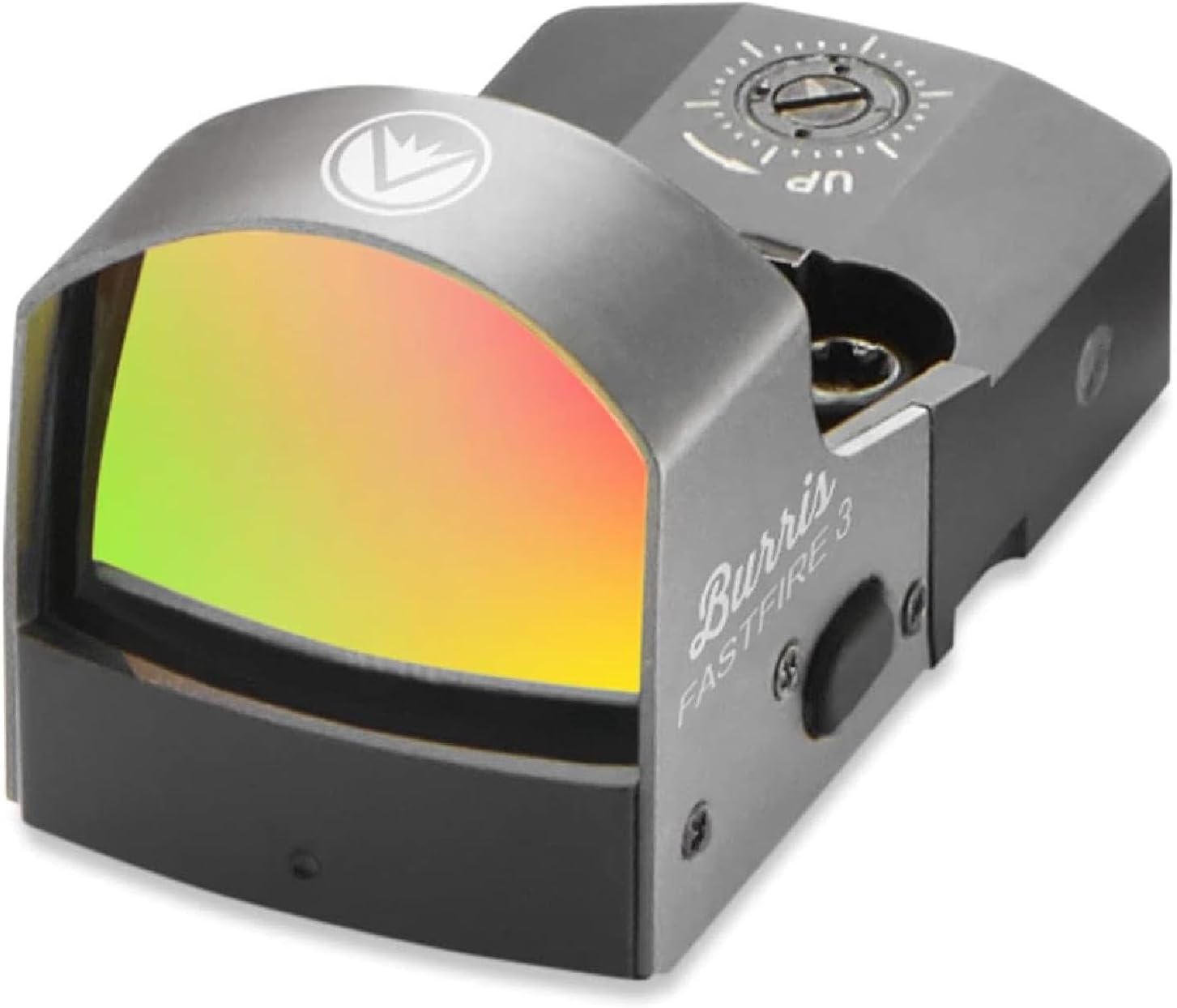
A long-standing budget option that still holds relevance.
Specs:
3 MOA dot
CR1632 battery
Docter footprint
Automatic brightness
Pros:
Lightweight
Affordable
Simple operation
Cons:
Open emitter vulnerability
Limited durability
My hands-on notes:
The FastFire 3 works, but on a Glock 27, the recoil exposes its limitations. Dot flicker can occur under heavy firing. Parallax is noticeable beyond 15 yards. Co-witness depends heavily on mounting plate height.
What people say online:
Mixed reviews—great for range use, less trusted for defensive carry.
Mounting clarity:
Requires Docter footprint or adapter plate. Not ideal for direct Glock milling.
╰┈➤ Explore User Feedback and Current Pricing on Amazon
How I Tested / Evaluation Criteria
Parallax:
I tested each optic at 5, 10, and 25 yards, shifting eye position intentionally. High-quality optics like the RMR and EPS Carry maintained minimal shift, while budget models showed noticeable deviation at longer distances.
Co-witness / Deck Height:
Deck height matters on a compact pistol. I evaluated how each optic aligned with suppressor-height irons. Lower deck heights allowed faster backup sight acquisition.
Durability:
Each optic was tested under repeated recoil cycles from .40 S&W. I looked for zero retention, flickering, and housing integrity after extended firing.
Battery:
Battery type and access matter for carry guns. Side-loading or top-loading designs scored higher due to ease of maintenance without losing zero.
Brightness Range:
I tested indoors and in direct sunlight. Optics with wide brightness ranges and minimal blooming performed best.
Glass Quality:
Clarity, tint, and distortion were evaluated. Blue or green tint is common, but excessive tint affects target visibility.
Controls Ergonomics:
Button size, placement, and tactile feedback were tested with gloves. Poor ergonomics slow adjustments under stress.
Mounting Ecosystem:
Compatibility with Glock 27 slides is critical. I evaluated footprint availability, adapter plates, and milling requirements.
How to Choose the Right Red Dot for This Gun
The Glock 27 presents unique challenges. Its compact slide and snappy recoil mean not every optic will perform well long-term. First, prioritize durability—.40 S&W recoil is harsher than 9mm, and weaker optics will fail sooner.
Next, consider footprint compatibility. Most Glock 27 slides require custom milling. The RMR footprint offers the most support, while RMSc is better for compact carry setups.
Window size is another tradeoff. Larger windows like the DeltaPoint Pro improve target acquisition but increase bulk. For concealed carry, smaller optics like the EPS Carry strike a better balance.
Emitter type matters more than most people think. Open emitters are vulnerable to lint, sweat, and debris—especially on a carry gun. Enclosed emitters provide a significant reliability advantage.
Battery access is also critical. You don’t want to re-zero every time you change a battery. Top or side-loading designs are ideal.
Finally, think about co-witness. A proper setup ensures your iron sights remain usable. This requires matching optic height with appropriate suppressor-height sights.
FAQs
1. Can you mount a red dot directly on a Glock 27?
Only if the slide is milled. Otherwise, you’ll need an adapter plate.
2. What footprint is best?
RMR is the most versatile, but RMSc is better for compact setups.
3. Is an enclosed emitter worth it?
Yes, especially for concealed carry.
4. What dot size is ideal?
2–3 MOA balances precision and speed.
5. Do red dots affect reliability?
Not directly, but poor mounting can cause issues.
Conclusion
Finding the Best Red Dot for Glock 27 comes down to balancing durability, size, and mounting compatibility. If you want absolute reliability, the RMR Type 2 is still king. For concealed carry, the EPS Carry offers the best modern solution with its enclosed emitter. Budget options can work, but the Glock 27’s recoil will quickly reveal their limitations.